


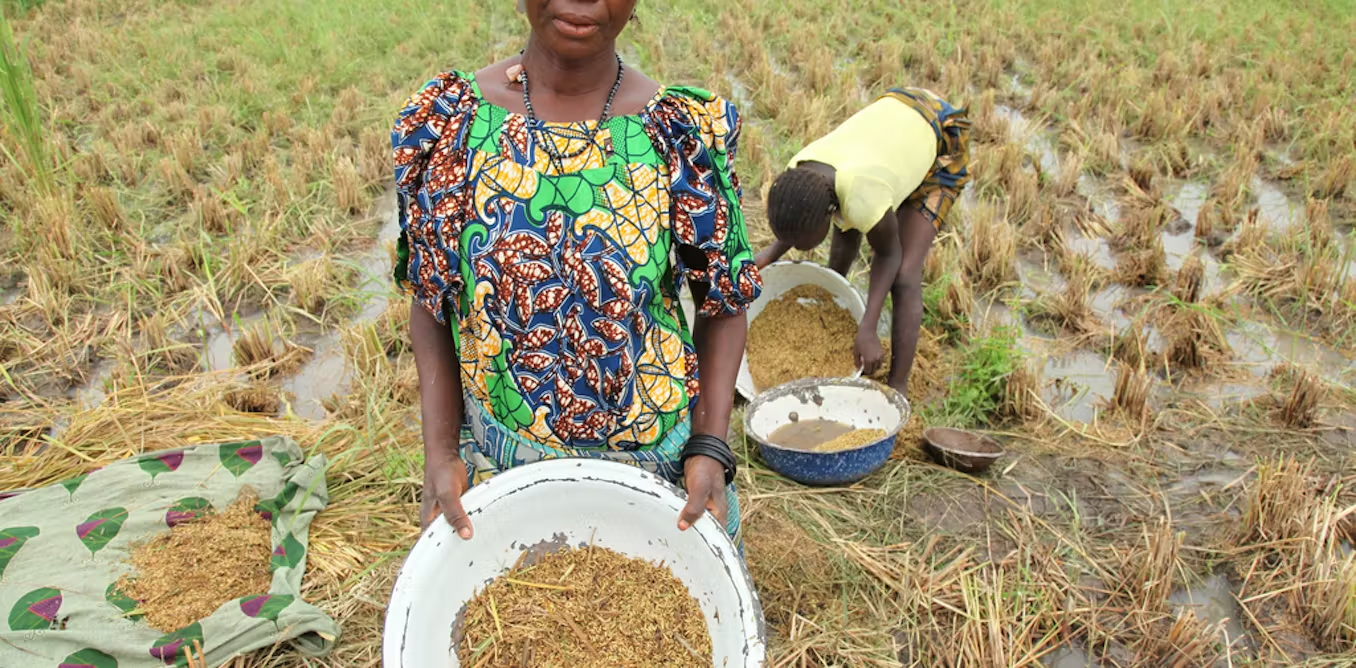
Nigeria’s once-thriving rice production sector is facing a grave collapse as a deluge of cheap imported rice, rising insecurity, and inadequate policy support trigger widespread mill closures and job losses across the country.
The downturn marks a stark reversal for an industry that, only a few years ago, was nearing self-sufficiency and hailed as a cornerstone of domestic food security.Speaking on behalf of the affected farmers, Peter Dama, Chairman of the Competitive African Rice Forum (CARF), painted a bleak picture of the present reality. “Our mills have been shut down. We have retrenched workers. Is this the future for us in this country?” he asked, pointing to the wave of closures now rippling through the rice-processing industry.
Nigeria’s rice sector had previously reported a record production high of eight million metric tonnes—enough to meet almost all of the nation’s rice consumption needs. However, the industry faltered just as it approached the critical three-million-tonne mark required to bridge the supply-demand gap. The gains of previous years are now unraveling at an alarming pace.Farmers and processors attribute this decline not only to market pressure from cheap imports, but also to deepening insecurity across the northern and central regions. “Once banditry and kidnapping escalated, farming operations were directly disrupted. The land was no longer safe, and farmers couldn’t cultivate as before,” Dama noted.
Security concerns have devastated agricultural zones, where much of Nigeria’s rice is cultivated. Without consistent government support or protection, farmers have been forced off their fields while millers struggle to source raw paddy.Dama also defended the credibility of previous government-backed rice initiatives—most notably the high-profile rice pyramid exhibitions, which faced accusations of political grandstanding and fabrication. “The pyramids were real. Paddy was produced, moved to mills, processed, and payments were made,” he asserted, dismissing reports of staged displays as misinformation.
Despite public scepticism over the efficacy of state interventions, Dama insisted that genuine rice farmers made good use of support received. “There may have been some political beneficiaries, but the bulk of our members used the funds responsibly and focused on production.”At the heart of the crisis lies a critical policy dilemma—how to balance food import liberalisation with protection of local agriculture. Nigerian farmers are now pleading for stronger safeguards and incentives to protect domestic industry from being drowned by cheaper, often subsidised, foreign rice.
The ripple effects are severe. Rural economies that once thrived on the rice value chain are collapsing, with hundreds of thousands of jobs vanishing in farming, milling, transport, and marketing. Many fear that without urgent intervention, the socio-economic fallout could escalate into deeper rural poverty and unrest.While Nigeria’s agriculture sector has long been touted as a driver of inclusive growth and climate resilience, this unfolding collapse in the rice industry underscores the need for a restructured, sustainability-focused approach. Analysts argue that real change will only come through targeted investment in agro-infrastructure, climate-smart farming practices, and policies that protect local food systems without undermining open trade.
As the government continues to promote food self-sufficiency, stakeholders warn that without prioritising local farmers’ needs, the dream of sustainable, home-grown food security will remain out of reach.
Also Read : Pune Tamhini Ghat Sees Toxic Acid Tanker Spill
Nigeria rice farmers face crisis from cheap imports
