


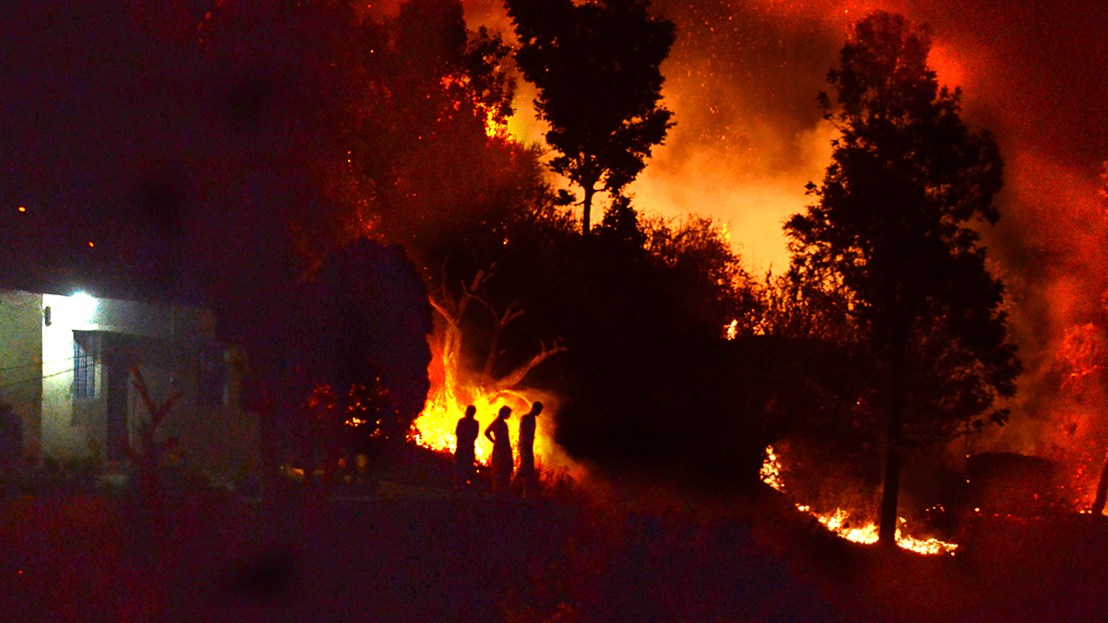
In 2024, India witnessed a significant increase in forest fires, contributing to a global surge in deforestation driven by climate change and El Niño conditions.
According to data from the University of Maryland’s GLAD Lab and the World Resources Institute’s Global Forest Watch platform, tropical primary forest loss reached a record 6.7 million hectares globally — nearly double the previous year. While India recorded a 6.9% decrease in overall tree cover loss between 2023 and 2024, the country simultaneously experienced a sharp rise in fire-related primary forest loss. Fires accounted for nearly 50% of global primary forest loss, surpassing agriculture for the first time in over two decades of monitoring.
India’s humid primary forests, which are vital for biodiversity and carbon sequestration, experienced a 5.9% increase in loss in 2024. The country lost approximately 22,958 hectares of primary forests, with 950 hectares attributed to fires—a 158% rise from the previous year. This uptick in fire-related forest loss is concerning, as it not only diminishes the nation’s carbon sink capacity but also threatens the livelihoods of communities dependent on these ecosystems.
The primary drivers of forest fires in India include shifting cultivation, agriculture, and logging. These activities, combined with the impacts of climate change, such as prolonged droughts and higher temperatures, create conditions conducive to wildfires. The northeastern states, including Assam, Nagaland, Mizoram, and Arunachal Pradesh, have been particularly affected, with Assam alone accounting for 324,000 hectares of tree cover loss between 2001 and 2023.
The global trend mirrors India’s experience. In Brazil, the country with the largest area under tropical forests, fires fueled by the worst drought on record caused 66% of the tropical primary forest loss, marking a sixfold increase from 2023. Bolivia, with less than half the forest area of the Democratic Republic of Congo, ranked second for tropical primary forest loss in 2024, overtaking the Congo despite having a smaller forest area.
These developments underscore the urgent need for comprehensive strategies to combat forest loss. While some countries, like Indonesia and Malaysia, have managed to reduce their deforestation rates, the overall global trend remains concerning. The increase in fire-related forest loss, exacerbated by climate change, calls for immediate and coordinated action to protect these vital ecosystems.
The situation in India highlights the importance of implementing sustainable land-use practices, enhancing forest management, and addressing the root causes of forest degradation. Strengthening policies that promote forest conservation and restoration, coupled with community engagement, can play a pivotal role in reversing the current trajectory.
As the world grapples with the consequences of unprecedented forest loss, the collective responsibility to safeguard forests becomes more critical than ever. The 2024 data serves as a stark reminder of the challenges ahead and the need for concerted efforts to preserve the planet’s green lungs for future generations.
Also Read : Roads Near Noida Airport Get Fast Upgrade
India Faces Surge in Forest Fires Amid Climate Crisis
