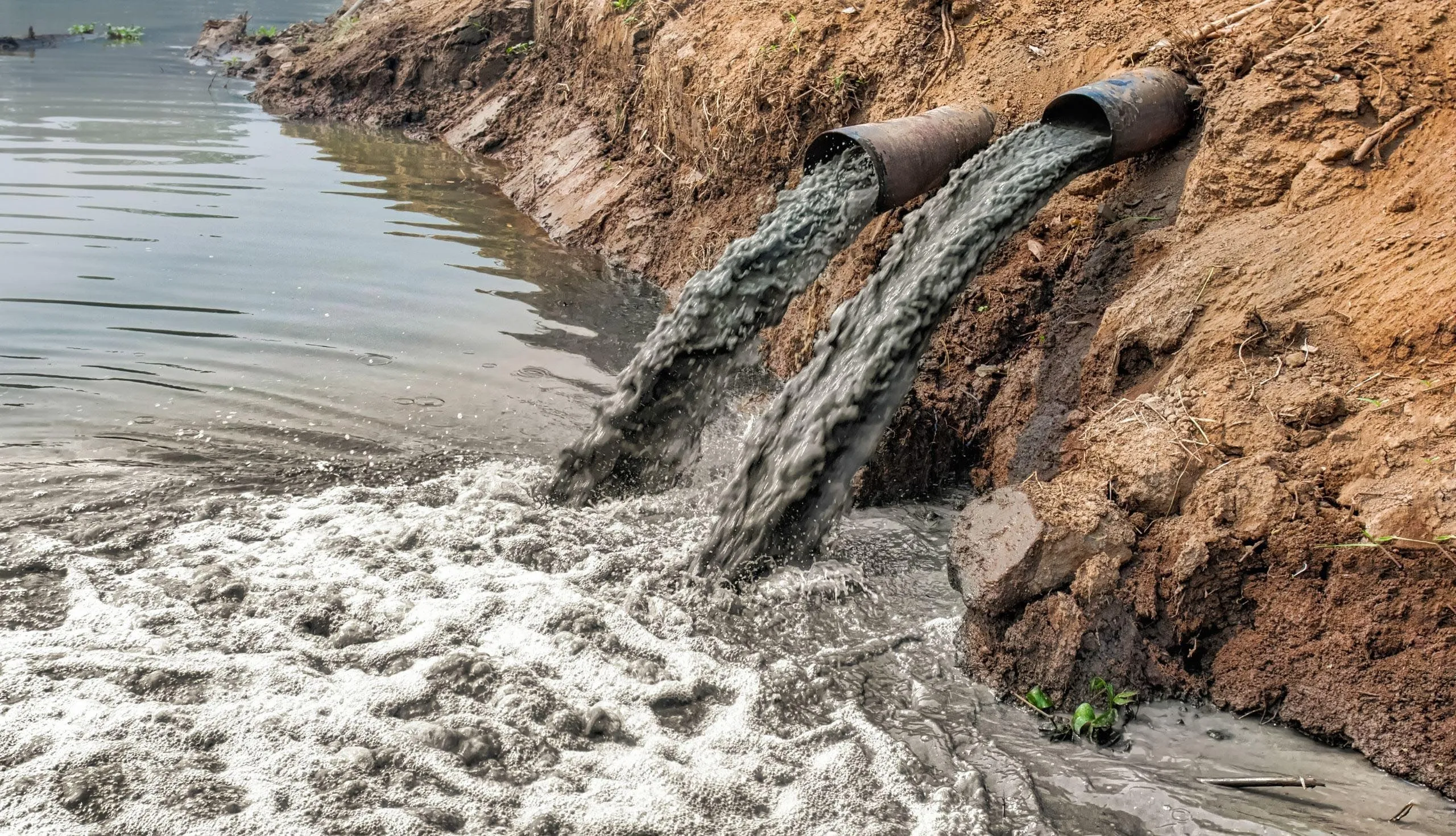
India generates over 72,000 million litres of sewage daily—yet treats only 28% of it.
Despite having installed capacity for 37% treatment, operational gaps, underutilised plants, power shortages, and lack of pollutant-specific filtering make current systems dangerously inadequate, experts say. This untreated sewage, combined with industrial effluents and poor infrastructure, has turned more than half of India’s rivers into highly polluted or unsafe water bodies, according to the Central Pollution Control Board (CPCB). The 2018 CPCB report flagged that 30% of monitored river stretches showed severe to moderate pollution. The health consequences are severe. Contaminated water is linked to 21% of communicable diseases globally, says the World Bank, contributing to 1.7 million deaths annually—disproportionately impacting children in developing countries like India. Wastewater generation is expected to increase by 75–80% by 2050, according to the Centre for Science and Environment. With current treatment capacity already overwhelmed, future demand may exceed India’s infrastructure threefold, highlighting a growing national crisis. Experts warn that centralised treatment models are failing. Many plants lack the ability to filter heavy metals or pharmaceutical contaminants, and often underperform. During the 2025 Kumbh Mela, for instance, faecal coliform levels in the Ganga and Yamuna rivers exceeded permissible limits for bathing by over 10 times.
Government missions such as AMRUT 2.0 and Namami Gange have pumped billions into sewage management. However, progress has been slow. As of 2024, only 41 of Maharashtra’s 414 urban local bodies had functional STPs, despite rising sewage volumes. Mumbai’s rivers remain choked with effluents, even as the city pursues ecologically harmful water supply projects like the Gargai dam. Nationwide, less than 1% of total wastewater generated is reused, despite policy targets advocating 30% reuse. South Asia has the world’s lowest reuse rate of treated water. Maharashtra, for instance, reuses only 4% of its wastewater. Even where STPs are operational, flaws persist. Plants discharge effluents with BOD levels within legal limits (10–20 mg/L), but far above the Ministry of Jal Shakti’s bathing water safety threshold of 3 mg/L. During low river flows, this worsens pollution and public health risks. In Ganga basin towns, nearly 55% of sewage remains untreated, according to CPCB. Disinfection systems are outdated, and many STPs fail to meet even minimum compliance for fecal coliform. Energy recovery from sewage remains impractical in cities like Kanpur and Lucknow, due to unsuitable technologies and highly diluted sewage. Worse, flawed wastewater estimates have led to overdesigned and underutilised plants. According to a 2016 CPCB estimate, actual discharge into the Ganga exceeded projections by over 120%. Some plants are built merely to shift loads from older ones temporarily—rendering existing infrastructure obsolete and misused.
Finally, STPs fall short in removing antimicrobial-resistant bacteria. Traces of antibiotics and AMR genes have been found in rivers across India. With over 160 million Indians lacking access to safe drinking water, experts warn that surface water contamination from ineffective sewage treatment threatens national health and water security. Without urgent investment in decentralised, nature-based, and pollutant-targeted solutions, India’s water future remains critically at risk.