


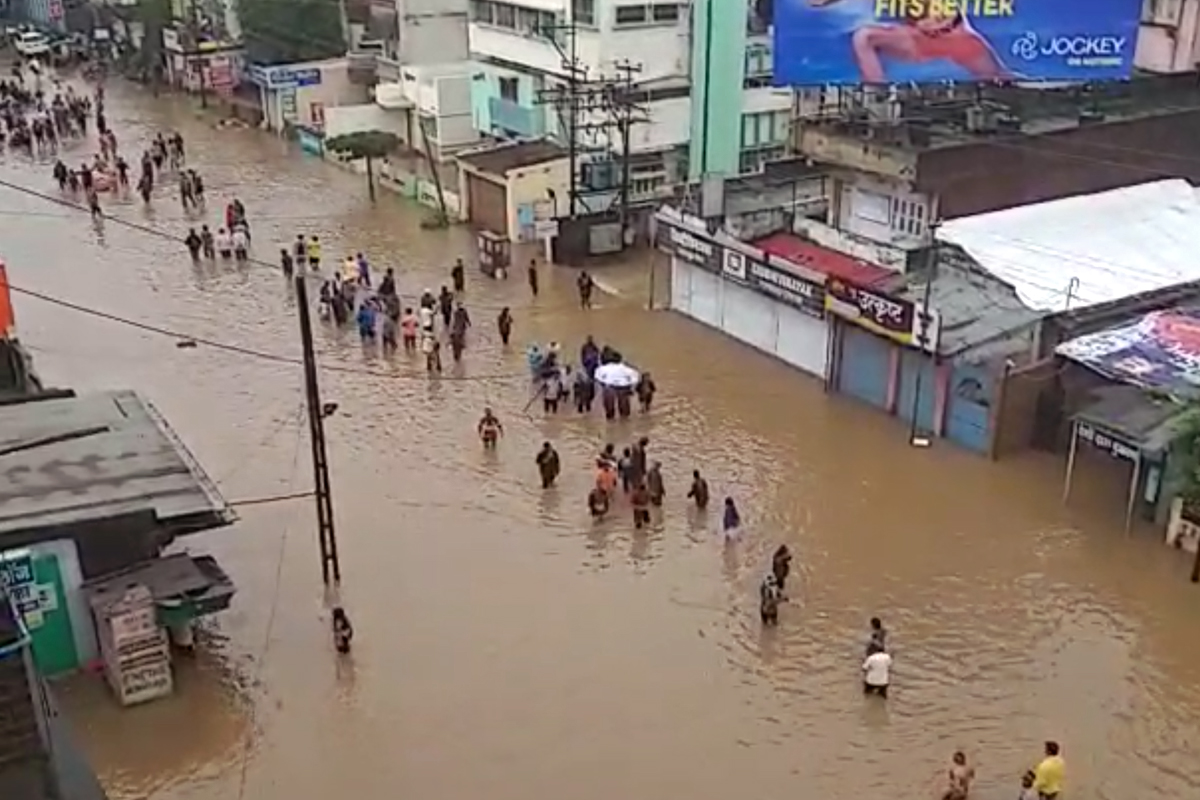
The bustling metropolis of Mumbai and surrounding regions of Maharashtra are currently navigating a period of intense pre-monsoon weather, triggered by a developing cyclonic disturbance over the Arabian Sea.
The India Meteorological Department (IMD) has issued a series of yellow and red alerts, underscoring the severity of the situation and highlighting the profound impact of escalating climate volatility on urban infrastructure and daily life. This widespread disruption serves as a critical reminder of the urgent need for zero-net carbon, eco-friendly, and truly equitable cities capable of withstanding extreme weather phenomena. The current spell of turbulent weather, characterised by heavy rainfall, thunderstorms, and gusty winds, is forecasted to persist across Maharashtra until May 24. While Mumbai and neighbouring districts remain under yellow alerts, the southern coastal district of Sindhudurg has been placed under a red alert for May 21st, signifying the likelihood of extremely heavy rainfall. IMD officials attribute this atmospheric unrest to a cyclonic circulation near the Karnataka coast, anticipated to intensify into a low-pressure area over the east-central Arabian Sea by May 22nd, further escalating rainfall activity across the Konkan and Madhya Maharashtra regions.
The immediate consequences of these unseasonal showers have been severe. A tragic building collapse in Kalyan, a direct result of the incessant rain, claimed six lives, underscoring the perilous risks associated with ageing infrastructure in a climate-sensitive environment. Across Mumbai, Tuesday evening’s sudden downpour led to widespread waterlogging in several pockets, bringing traffic to a standstill in critical areas like the Andheri subway. In Pune district, a large hoarding near Sanswadi on the Pune-Ahilyanagar route collapsed, trapping multiple vehicles and further disrupting connectivity. Beyond the urban core, the stormy conditions have wreaked significant havoc. In the Rawanwadi eco-tourism area of Bhandara tehsil, forest guard Vijay Raut reported extensive damage, with an estimated 400-500 trees uprooted, alongside substantial damage to electric poles and government infrastructure. The force of the storm also ripped off roofs of several homes, delivering a severe blow to the local tourism economy and the livelihoods dependent upon it. These incidents collectively highlight the vulnerability of both built and natural environments to the intensifying whims of climate change.
Civic authorities have issued stern advisories, urging residents to exercise extreme vigilance, particularly in areas with ongoing construction or existing infrastructure vulnerable to collapse under such extreme weather conditions. This proactive warning underscores the critical importance of public awareness and preparedness in mitigating the human cost of climate events. As temperatures in Mumbai hovered around 29°C with high humidity on May 21st, the intermittent showers offered a brief respite from the summer heat, but the overarching forecast promises more wet and windy days ahead. The IMD forecasts persistent overcast skies for May 22nd, with heavy rain likely to intensify in the evening or night. Temperatures are expected to dip slightly, providing some relief, but the scattered nature of the rainfall means some areas will bear the brunt of moderate to heavy showers. This pre-monsoon turbulence serves as a stark call to action for comprehensive, climate-resilient urban planning across Maharashtra. Ensuring robust drainage systems, strengthening existing infrastructure, and investing in green urban solutions are not merely civic conveniences but fundamental pillars for building truly equitable, gender-neutral, and sustainable cities capable of protecting their citizens in an era of unpredictable climate extremes.
Also Read: Assam on Flood Alert As Heavy Rainfall Continues
