


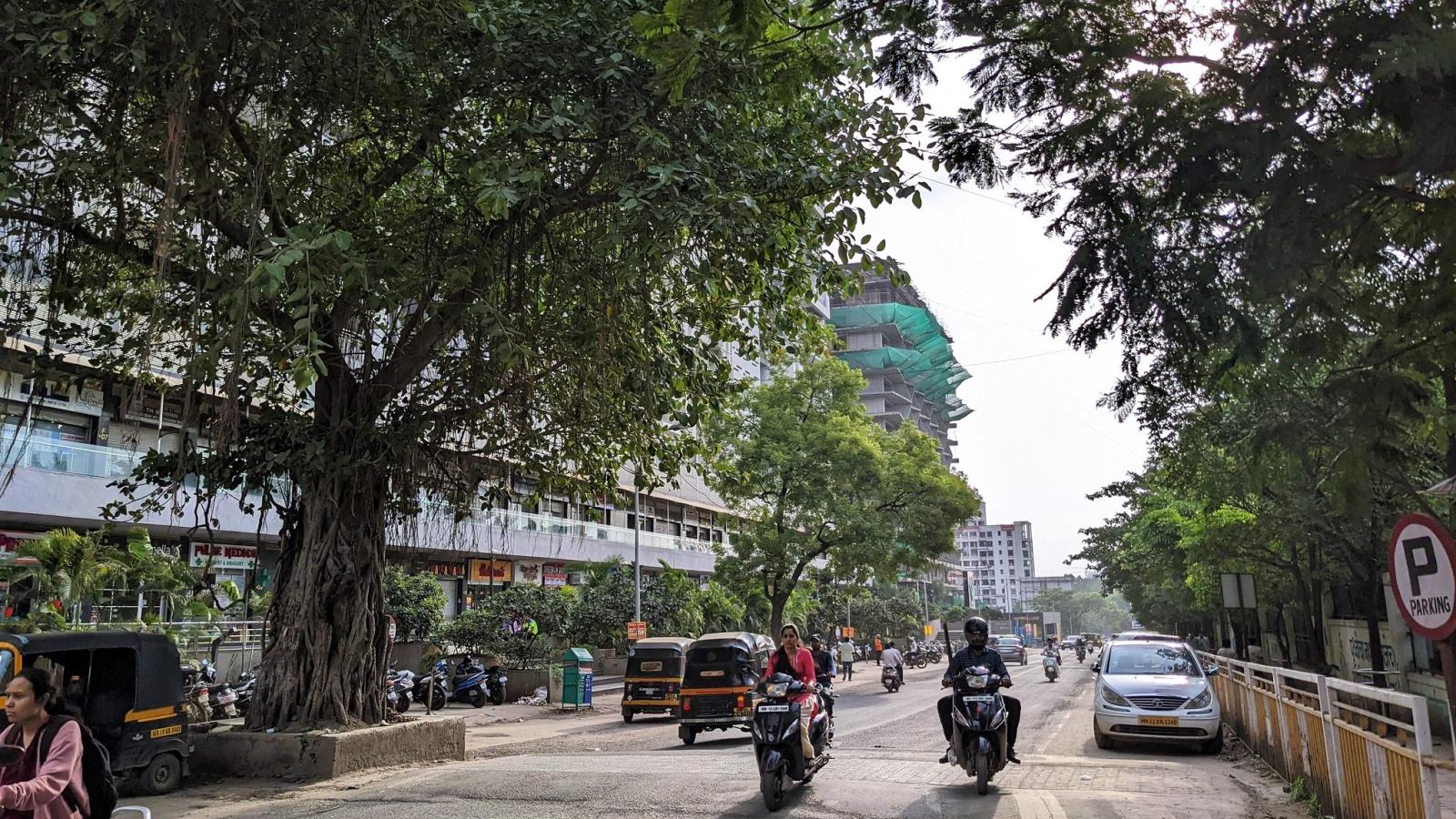
Pune, one of India’s fastest-growing cities, is grappling with significant urbanization challenges due to a lack of comprehensive urban development policies.
Chief Minister Devendra Fadnavis recently highlighted that urbanization, if not guided by the right policies, can lead to significant challenges for cities like Pune. The development of a city should revolve around the needs and aspirations of its citizens, who are drawn to urban areas for better opportunities in education, healthcare, employment, and entertainment. However, the absence of a comprehensive urban development policy that takes these aspects into account has led to issues in cities, including Pune. At a workshop organized by the Urban Development Department at YASHADA for municipal commissioners and chief officers of municipal councils, Fadnavis emphasized that cities are the growth hubs of the nation, and the government must support local authorities in providing quality services to address urban issues. He was joined at the event by Deputy Chief Minister and Urban Development Minister Eknath Shinde, Minister of State for Urban Development Madhuri Misal, Additional Chief Secretary Asimkumar Gupta, and Principal Secretary Dr. K. H. Govindraj.
Maharashtra, which is the second most urbanized state in India, has the largest urban population, with approximately 60 million people living across 450 cities. Fadnavis pointed out that improving the living standards of people in these urban areas can significantly uplift nearly half of the state’s population. However, many cities have been left behind in terms of development due to the lack of adequate planning to meet the growing demands of urbanization. Addressing issues related to healthcare and education, Fadnavis stressed that urban areas need robust primary healthcare systems. He called for the effective implementation of both central and state government schemes to enhance healthcare delivery and ensure children from economically weaker sections in municipal schools receive quality education. Fadnavis also advocated for regular monitoring of water supply and sewage management projects, ensuring timely completion and resolving any bottlenecks.
The Chief Minister also spoke about the need for a sustainable approach to urban development. While significant investments have been made in the last decade, he urged that local bodies explore new funding sources, especially from the private sector, to finance urban infrastructure projects. In particular, he emphasized the importance of tax collection systems and ensuring that citizens contribute to the development of their cities. He also pointed out that having planned roads and infrastructure would make cities more beautiful and efficient. Fadnavis introduced the 150-day action program focusing on the use of e-governance and human resource development. Under this initiative, the state government intends to enhance administrative efficiency and provide full support for municipal bodies. Technology, he noted, can play a vital role in monitoring projects and ensuring quality, which aligns with the vision of building a “developed Maharashtra” by 2047.
Deputy Chief Minister Eknath Shinde stressed that understanding the challenges faced by urban local bodies is crucial for the state’s progress. He underscored the importance of equal development for all cities to avoid imbalance and ensure inclusive growth. Shinde also pointed out the increased responsibility that local bodies have due to the fast-paced urbanization of Maharashtra, with over 50 million people residing in urban areas. Shinde advocated for the use of artificial intelligence in municipal operations to improve efficiency. He also emphasized that city planning should focus on providing proper housing to citizens, preventing encroachment, and ensuring that cities are well-planned and beautiful. Initiatives such as waste-to-energy projects, efficient sewage management, and public transport improvements should be prioritized, he added.
Minister of State for Urban Development, Madhuri Misal, called for collaborative efforts in addressing urban issues. She highlighted the need for stricter enforcement of government regulations to prevent illegal constructions that can make cities unsightly. Misal also mentioned that programs like the Pradhan Mantri Awas Yojana should be reviewed to ensure proper housing for citizens. “Everyone must join hands to make our cities beautiful,” she urged, emphasizing the need for a collective effort to improve urban spaces. Additional Chief Secretary Asimkumar Gupta advised municipal bodies to leverage e-governance tools to make urban governance more efficient. He encouraged local bodies to explore new funding sources for urban projects and implement reforms that align with the changing needs of cities. Gupta emphasized the importance of focusing on long-term urban development rather than just short-term fixes.
In his introductory speech, Principal Secretary Dr. K. H. Govindraj set the tone for the workshop by highlighting the need for quality in urban development. He mentioned that with the holistic development of urban areas in the state, discussions would focus on ensuring that projects are executed with speed and quality, securing additional funding, and utilizing modern technology to improve efficiency. He also stressed that a positive approach and commitment are essential to ensuring that basic services reach all citizens effectively. The absence of a comprehensive urban development policy in Pune has led to various challenges, including inadequate infrastructure, lack of affordable housing, and inefficient public services. Without a clear and actionable policy framework, the city struggles to manage its rapid growth and meet the needs of its residents.
Also Read: New Vietnam India Shipping Route Begins Operation
