


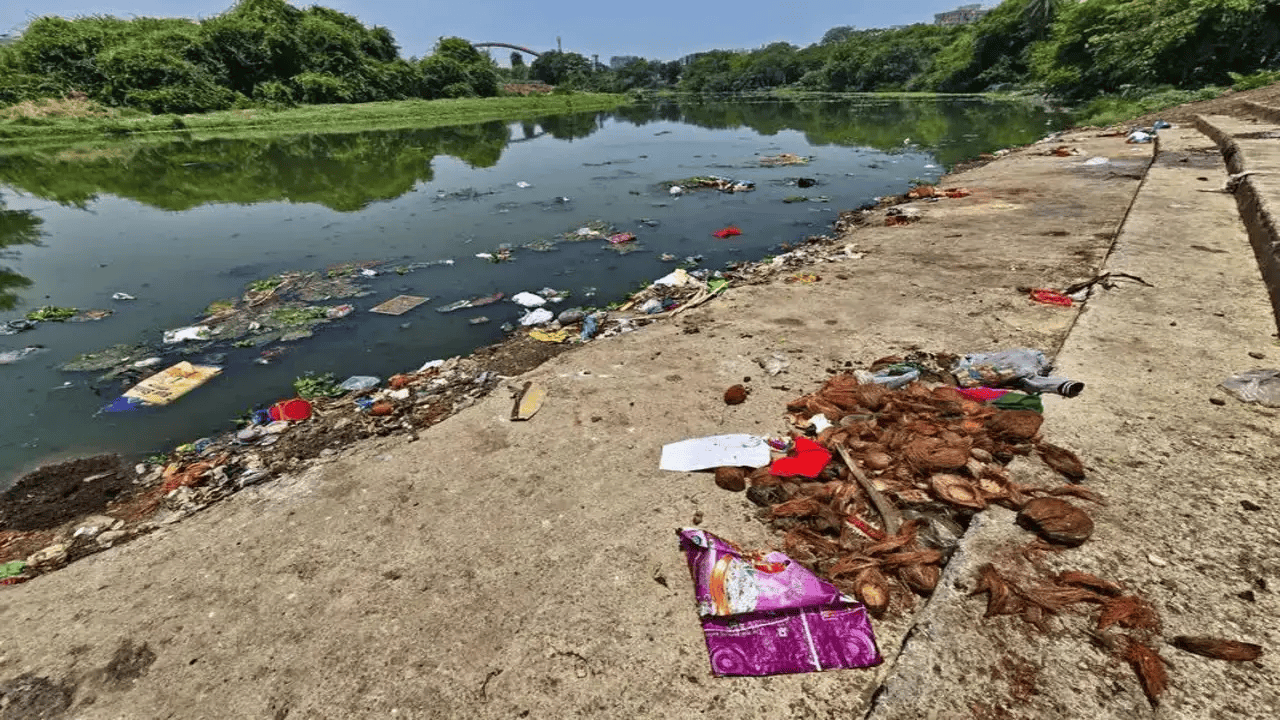
The Panvel Municipal Corporation (PMC) has initiated a robust, multi-agency action plan aimed at the ecological revival of the severely polluted Kasardi River.
Flowing through the industrial heartland of Taloja and impacting numerous adjacent villages, the river has become a critical focal point for urgent restorative measures. The PMC spearheaded a crucial site inspection today, laying the groundwork for a comprehensive strategy that integrates stringent pollution control measures, strategic infrastructure development, and continuous, technologically enabled monitoring. This integrated approach underscores a firm commitment to restoring the Kasardi River’s ecological equilibrium and safeguarding the well-being of the communities that depend on it.
A central pillar of the rejuvenation plan is the rigorous monitoring and control of industrial wastewater discharge. Industries operating in the Taloja zone will face heightened scrutiny, with the Maharashtra Pollution Control Board (MPCB) tasked with meticulously screening wastewater inflows. Immediate and decisive action will be taken against entities found to be discharging untreated chemical effluents into the river, particularly those resorting to illicit tanker dumping at identified hotspots such as Ganesh Ghat and Tondre. This zero-tolerance policy aims to curb the primary source of the river’s contamination. Complementing the pollution control measures is a strategic infrastructure development component designed to mitigate the spread of pollutants and enhance water retention within the river basin. A series of strategically positioned check dams will be constructed at Ganesh Ghat and Tondre to regulate water flow and aid in sediment trapping. Furthermore, the construction of robust gabion walls near Kaprechaarya Temple and Navade is planned to act as a vital barrier, preventing the intrusion of polluted river water into neighbouring villages, especially during periods of high tide. This proactive measure aims to protect the livelihoods and health of local residents.
Recognising the pervasive chemical contamination of the Kasardi River, the rejuvenation plan includes a proposal to divert the polluted water to the Common Effluent Treatment Plant (CETP) for thorough and appropriate processing. The Maharashtra Industrial Development Corporation (MIDC) has been mandated to actively manage and impose penalties on unauthorised tankers found discharging waste along industrial transport routes, thereby addressing a significant source of illegal pollution. Restoring the natural flow dynamics of the Kasardi River is another critical objective of the PMC’s initiative. Obstructions within the riverbed will be systematically identified and cleared to ensure unimpeded water flow, particularly during the dry season when water scarcity can exacerbate pollution concentration. To support future urban planning and prevent encroachments that can impede natural flow and increase flood risk, a comprehensive flood line mapping of the river will be undertaken.
Addressing the issue of illegal construction within the riverbed is also a priority. The Water Resources Department has been instructed to undertake the demolition of all unauthorised structures, particularly in the sensitive areas of Ganesh Ghat and Tondre. This decisive action aims to reclaim the river’s natural space and prevent further ecological damage caused by encroachment. To enhance the effectiveness of pollution control efforts, the MPCB has been directed to implement technological surveillance along the Kasardi River. Solar-powered CCTV cameras will be strategically installed at identified pollution hotspots to provide continuous real-time monitoring of the river and deter illegal effluent discharge. This proactive use of technology will enable swift identification of polluters and facilitate timely intervention.
A senior official involved in the project emphasised the PMC’s unwavering commitment to a long-term ecological restoration of the Kasardi River, highlighting the crucial role of inter-agency coordination and the imperative of timely execution. The Additional Commissioner has instructed all relevant departments to adhere strictly to project deadlines and submit regular progress reports as the initiative moves into the critical implementation phase. This concerted effort by the Panvel Municipal Corporation and collaborating agencies marks a pivotal turning point in the long-overdue remediation of the Kasardi River. With clear directives now in place and a strong emphasis on accountability and measurable outcomes, there is a renewed sense of optimism that decades of pollution and neglect can finally be reversed, paving the way for a healthier and more sustainable future for the river and the communities it serves. The success of this initiative will not only restore a vital natural resource but also serve as a beacon for similar river rejuvenation projects in urban-industrial landscapes across the region.
Also Read :Kerala NH66 Project Accelerates Connectivity and Sustainability
