


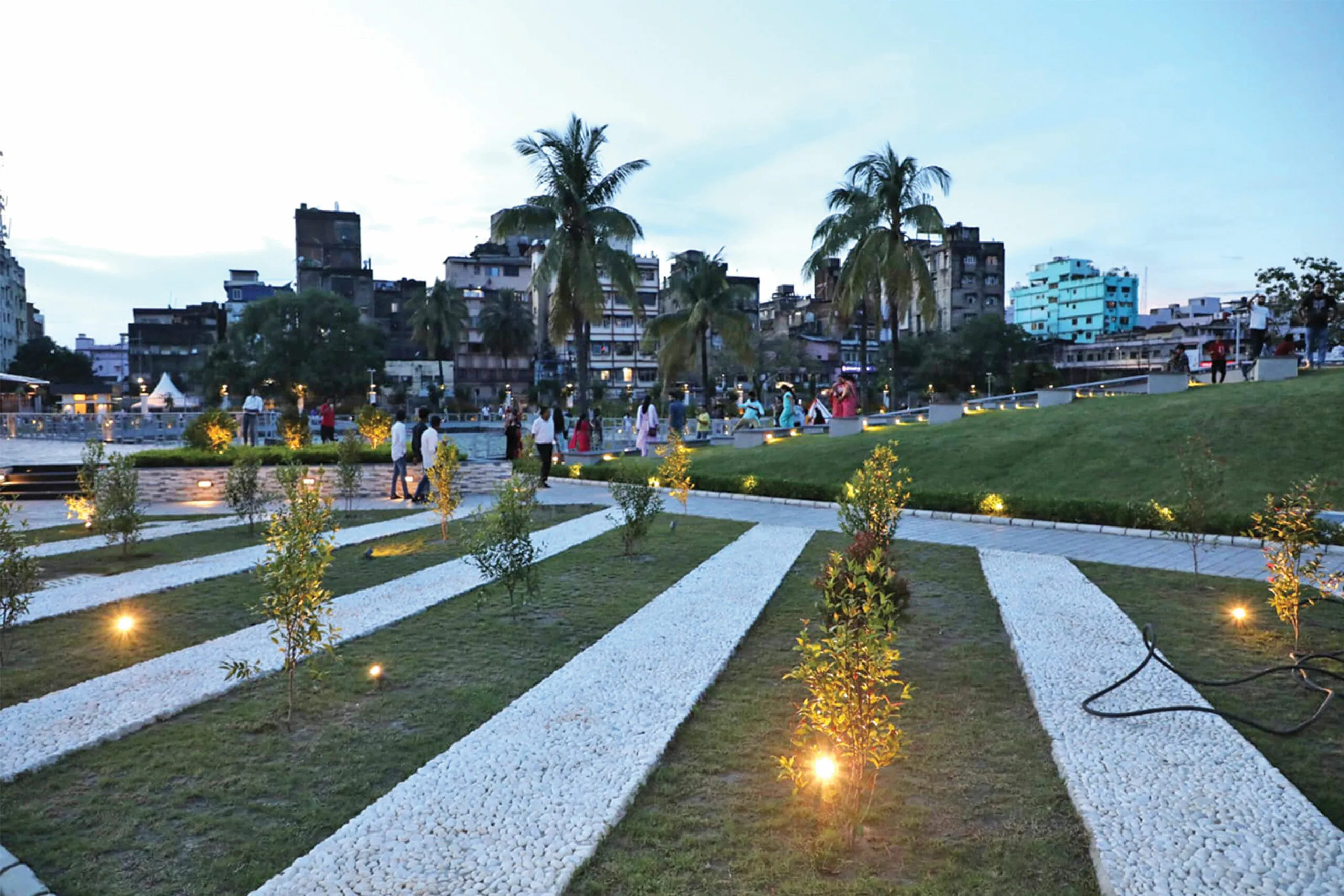
Once a city defined by its leafy boulevards and tree-lined streets, Guwahati is rapidly losing its green identity. Despite once boasting more than 1,000 hectares of green cover, the city is now choked with flyovers, construction dust and relentless urban expansion.
But while infrastructure races ahead, a quieter, greener movement is taking root on rooftops, balconies and backyard patches led by determined residents fighting back with sustainable gardening. Aerial views of Guwahati reveal a city ringed by rising concrete. Pavements once shaded by jamun and neem trees now lie exposed, often buried under the dust of nearby construction sites. In neighbourhoods like Zoo Road and Uzan Bazar, locals recall a time when birdsong and breeze marked the summer, not honking horns and sweltering stagnancy. The loss of large trees and natural corridors has turned a once-breezy cityscape into an oven-like basin. Yet, in pockets across the city, residents are cultivating a counter-narrative. From terrace gardens filled with edible greens to makeshift compost bins tucked into balconies, Guwahati’s citizens are leading a grassroots green revival. The approach is organic, both literally and metaphorically, as most residents rely on passed-down farming knowledge, collected seeds, and indigenous methods.
Terrace gardening has become particularly popular in densely packed neighbourhoods. Whether growing chillies, tomatoes or flowering shrubs, city dwellers are reclaiming whatever space is available to them. Several households now manage home-grown produce using compost from kitchen waste and harvested rainwater a sustainable model addressing both food and water insecurity. Rainwater harvesting is no longer a seasonal afterthought. With frequent disruptions in water supply, many households have installed storage tanks to collect monsoon runoff. The greywater is diverted for gardening and cleaning purposes, reducing stress on civic supply systems. Meanwhile, compost bins fashioned from old containers help transform everyday waste into nutrient-rich fertiliser.
Even residents of apartments with no access to rooftops are finding inventive solutions. Thermocol boxes and repurposed plastic containers serve as planters on windowsills and balconies, making gardening accessible even in cramped quarters. This movement is not only reviving native biodiversity but also offering mental and emotional relief from the city’s sensory overload. These green sanctuaries reflect a collective yearning to preserve Guwahati’s soul amid the scramble for urbanisation. The transformation of private spaces into lush micro-ecosystems serves as quiet resistance to the city’s declining tree cover. While these efforts may seem modest in the face of rapid infrastructure development, they represent an essential act of civic responsibility.
The city’s green loss is a sobering reality, but it has sparked a positive ripple effect where citizens are reimagining sustainability at the household level. As Guwahati expands outward, its heart may yet remain rooted in soil, leaves and seed.
Also Read :Hyderabad Outer Zone Faces Severe Water Shortage
