


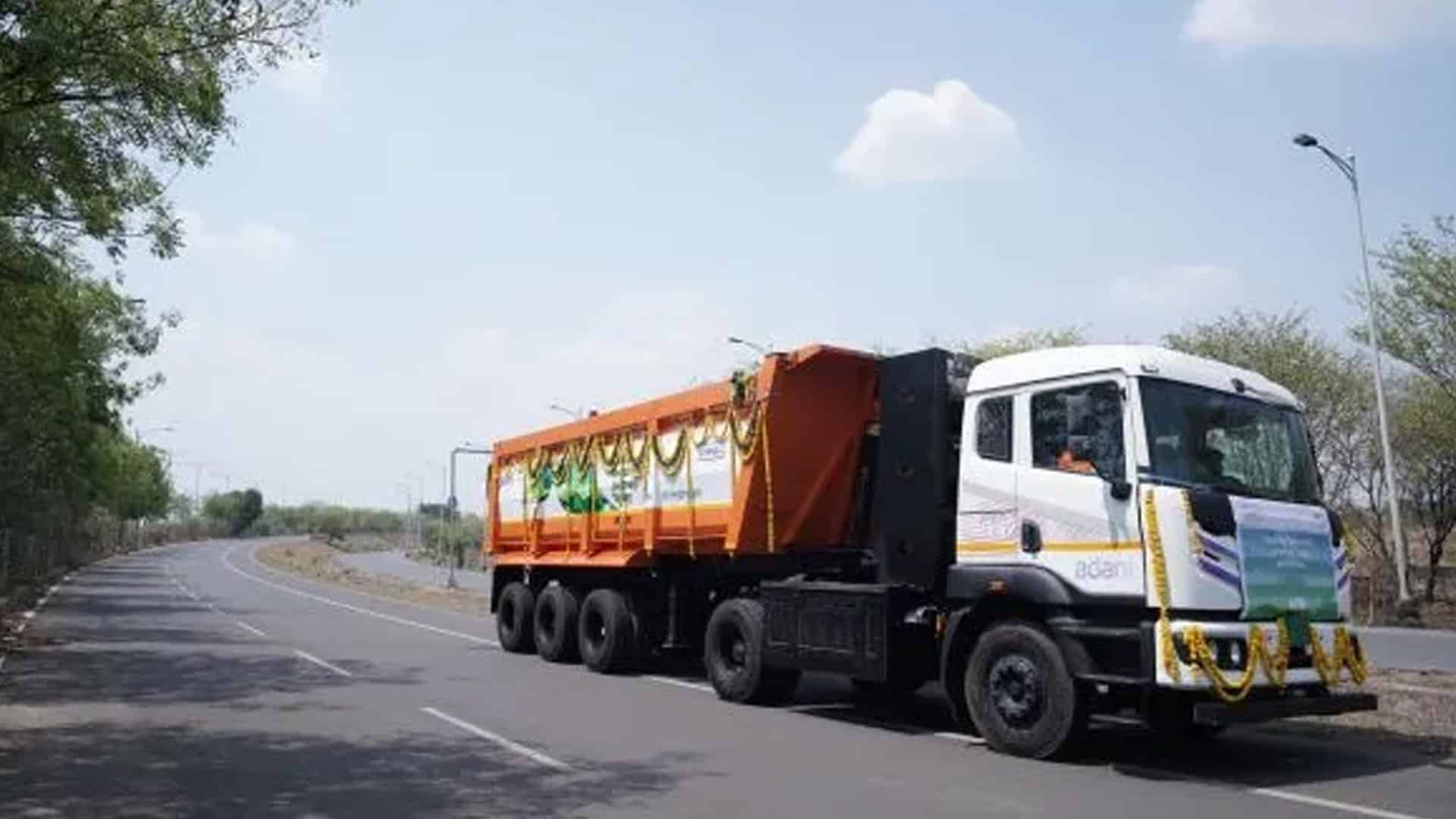
Chhattisgarh has become the first Indian state to deploy a hydrogen-powered truck for mining transport, marking a significant step in the country’s green mobility transition.
The fuel cell truck, introduced at the Gare Pelma III coal block in Raigarh district, is being positioned as a game changer in the fight against industrial pollution, particularly in the mining sector which traditionally relies on diesel-intensive machinery. Capable of carrying 40 tonnes of cargo across a 200-kilometre range, the vehicle emits only water vapour and warm air, eliminating particulate matter and reducing operational noise significantly. This strategic deployment is being facilitated under a public-private partnership framework, aimed at replacing conventional diesel trucks in mineral transport. Each truck is equipped with smart technology and three hydrogen tanks, developed in collaboration with Indian and global energy technology firms and a leading automotive manufacturer. The move is expected to reduce the mining sector’s carbon footprint, while also supporting India’s broader ambitions to cut crude oil imports and lower dependency on fossil fuels.
The transition comes at a time when India’s mining operations face increasing scrutiny over environmental degradation and air quality impact. Hydrogen, the most abundant element in the universe, offers a clean, efficient and scalable alternative to traditional fuels. Unlike battery-operated electric vehicles, hydrogen fuel cell trucks offer high payload capacity and longer operational range, making them well-suited for heavy industries such as mining and logistics. Moreover, minimal noise emissions will improve worksite safety and reduce health risks for workers operating near transport lines. The rollout is part of a larger shift in India’s industrial ecosystem, where decarbonisation of logistics and manufacturing is gathering pace. With this pilot deployment, Chhattisgarh’s coal logistics is poised to be a blueprint for other mineral-rich states. The adoption of clean fuels for heavy-duty cargo can redefine sustainability metrics in industrial corridors, especially where rail or electric mobility is currently not feasible. The company responsible for the deployment has also pioneered semi-autonomous dozer push technology in Asia, showcasing a broader commitment to technological advancement and safety in natural resource operations.
As hydrogen infrastructure begins to scale across India, stakeholders in energy, mining and transport will be watching closely. The transition is not just about fuel substitution but about building an ecosystem that supports India’s commitment to net-zero emissions by 2070. For regions like Raigarh, often burdened by the environmental cost of extraction, this development offers hope for a cleaner, more balanced approach to growth.
Also Read :Revolutionising Supply Chains with Logistics Automation
