Pakistan may lose river water as India upgrades infra
India’s capacity to halt the flow of river water to Pakistan remains constrained by infrastructure gaps, but strategic efforts are underway to regain greater control over these crucial resources.
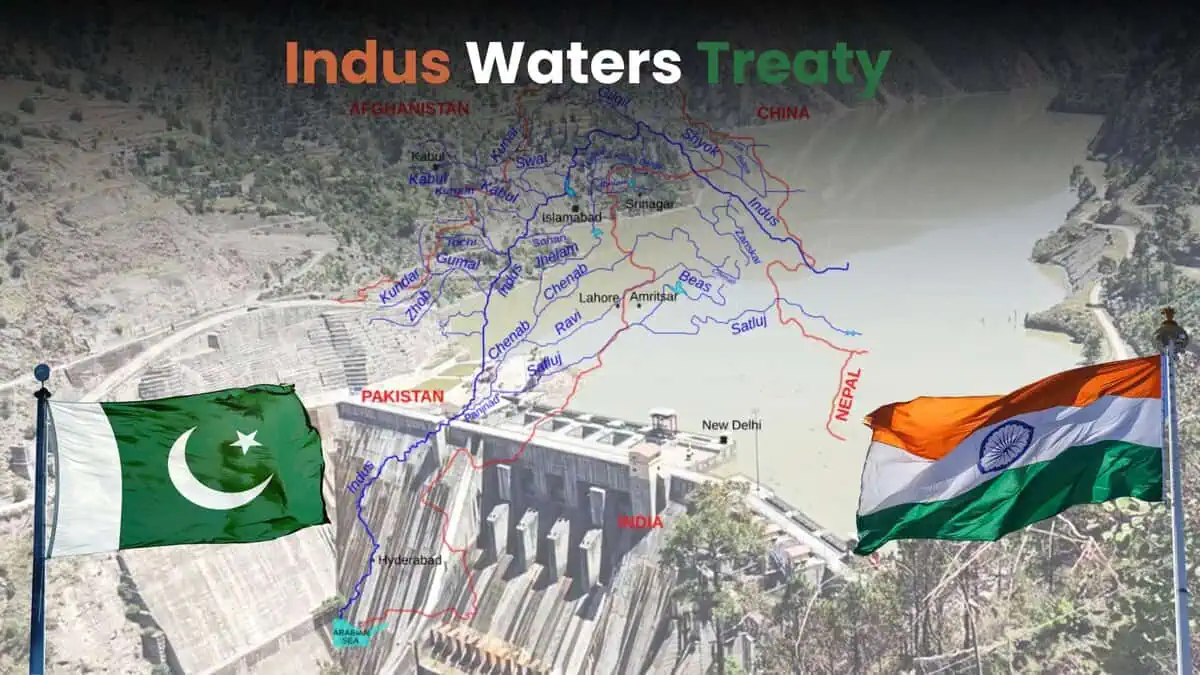
According to officials and experts familiar with the developments, while immediate stoppage is not possible, New Delhi is positioned to exert significant pressure during the winter months when water levels drop. Currently, the period from April to September is marked by high river flows, driven largely by snowmelt from the Himalayas. Given the absence of adequate upstream storage infrastructure, India is compelled to allow excess water to continue flowing downstream into Pakistan. The existing frameworks, including the Indus Water Treaty (IWT), have historically restricted India from developing diversion infrastructure on the western rivers — Indus, Jhelum, and Chenab.
Officials explained that while India cannot halt water flow instantly, winter offers a different scenario. Between October and March, when river volumes naturally decline, India can regulate the flow more effectively through its existing projects such as the Baglihar Dam on the Chenab and the Kishanganga project on a tributary of the Jhelum. Though these dams are primarily run-of-the-river hydroelectric projects and not designed to store large volumes, they do provide India with the capability to time water releases. This could critically impact Pakistan’s winter crop season, particularly wheat cultivation, which relies heavily on timely irrigation. Experts on the region’s hydrology noted that strategic timing of water releases could be leveraged as a tool of pressure, but cautioned that more robust infrastructure is essential if India intends to exercise greater control over the long term. They pointed out that years of adherence to the IWT had disincentivised major water storage or diversion projects on the western rivers, leaving India with limited operational manoeuvrability today.
However, momentum is building to change this reality. Officials stressed that a rapid acceleration in the construction of hydroelectric and irrigation projects is essential if India seeks to bolster its water security and assert strategic control. Critical projects such as the Shahpur Kandi Dam, the Ujh Multipurpose Project, and the Ratle Hydroelectric Project have been identified for fast-tracked completion. These infrastructure initiatives not only aim to harness water for domestic agricultural and energy needs but also align with India’s broader sustainable development goals, including minimising water waste and promoting eco-friendly energy solutions. In the context of urban development and equitable access, experts also underscored that enhanced water management could support India’s push toward building climate-resilient cities. Diverted or better-managed river water could be channelled to meet the needs of urban centres facing water scarcity, thus supporting sustainable urbanisation and reducing dependence on groundwater.
Officials added that if India maintains its current political will and enforces streamlined approvals and emergency powers for water infrastructure projects, a major shift could occur within the next two years. By then, India would be better positioned to reduce Pakistan’s share of water significantly and redirect the flow toward its own states, thereby strengthening food security, boosting renewable energy generation, and enhancing strategic sovereignty. Sources emphasised that while the Treaty remains technically in place, India’s decision to review and hold some aspects of its obligations in abeyance gives it greater leverage. Nevertheless, New Delhi is proceeding cautiously, aware that any drastic action must be supported by both international legal frameworks and diplomatic preparedness to avoid escalating regional tensions.
Experts in environmental governance also stressed the importance of balancing strategic interests with ecological responsibilities. They pointed out that water diversion and dam construction must be carried out with due regard to river ecosystems, ensuring that interventions are environmentally sustainable and that local communities are consulted and protected. Moreover, any major policy shift regarding the Indus system would have to consider the needs of Indian states reliant on river flows, including Jammu and Kashmir, Punjab, and Haryana. Managing these competing demands while simultaneously strengthening infrastructure will require strong inter-agency coordination and a national vision for equitable water distribution.
In the immediate term, while Pakistan may not face any drastic reductions during the ongoing high-flow season, officials confirmed that the neighbouring country will increasingly feel the effects of India’s evolving water management strategies during the upcoming winters. The cumulative impact on Pakistan’s agricultural output, particularly its winter crops, could become a significant factor over the next few years. India’s emerging approach reflects a broader shift toward sustainable resource utilisation and self-reliance, in line with national goals for water conservation, renewable energy, and eco-sensitive infrastructure development. If executed effectively, these initiatives could not only alter the hydrological dynamics of the region but also contribute to building greener, more climate-resilient Indian cities, offering long-term benefits to millions of citizens.