


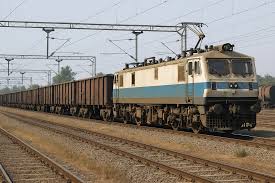
Indian Railways is preparing to unveil a bold freight rate overhaul, targeting short-haul cargo movements under 300 kilometres, in a move aimed at reclaiming lost ground from road-based transport.
This recalibration is currently being piloted in the industrial corridors of Gujarat and Maharashtra, where road freight continues to dominate regional logistics. For decades, short-distance rail cargo has struggled to compete on price, with the cost of rail transport averaging ₹1.36 per tonne per kilometre—almost double that of trucking services. This stark disparity has discouraged key sectors such as cement, steel, coal, and agriculture from embracing the rail network, despite its inherent environmental and efficiency advantages. Indian Railways is now poised to bridge this gap by introducing competitive pricing alongside strategic infrastructure upgrades, positioning itself as a viable and sustainable alternative for industrial logistics.
Senior officials overseeing the freight initiative confirmed that tariff cuts for short-haul rail cargo are expected to directly challenge trucking rates, particularly within critical industrial hubs. The goal is to unlock a significant modal shift, encouraging businesses to transition their cargo from polluting road transport to the more environmentally friendly railways. By making rail freight cost-effective for regional shipments, the national transporter seeks to not only boost operational volumes but also contribute meaningfully to India’s broader decarbonisation goals.
From a sustainability standpoint, the stakes are high. Short-haul trucking is a known contributor to urban congestion, road wear and tear, and rising air pollution levels. Officials noted that encouraging cargo movement by rail could significantly ease the pressure on urban infrastructure, reduce particulate emissions, and support healthier, more liveable cities. A major component of this transformation strategy hinges on tackling the long-standing bottleneck of last-mile connectivity. Indian Railways has embarked on an ambitious plan to construct 100,000 new rail sidings, providing direct access from factories, warehouses, and agro-processing centres to the national rail network. These sidings are planned under an innovative public-private partnership model, with the objective of mobilising private sector capital and expediting project timelines.
Industry experts highlight that improving direct rail access will be critical for realising the full benefits of the new freight pricing strategy. Over the past decade, the number of dedicated freight terminals has more than doubled—from 1,875 in 2014 to 4,300 in 2024—laying a robust foundation for diversified and multimodal cargo operations. If the short-haul freight reset succeeds, Indian Railways expects to increase its modal share of the national freight market from the current 28 per cent to 35 per cent over the coming years. While inland waterways remain the cheapest logistics option at ₹1.06 per tonne per kilometre, their limited geographic reach positions rail as the most scalable and climate-resilient solution for India’s expanding industrial corridors.
Crucially, the reform initiative aligns with India’s National Logistics Policy and its commitment to reduce logistics costs as a percentage of GDP, making the economy more competitive globally. Experts believe that by focusing on short-distance cargo, Indian Railways can also indirectly stimulate urban planning reforms, by reducing heavy truck movement within city limits and making streets safer and cleaner for residents. However, the shift from road to rail will not be without challenges. Shippers, who have long relied on the flexibility of point-to-point trucking, may be reluctant to alter established supply chains. Ensuring the timely availability of rakes, synchronising train schedules with industrial production cycles, and addressing operational bottlenecks at loading and unloading points will require sustained efforts.
Railway officials stated that the rollout will be phased, with careful monitoring of pilot results from Gujarat and Maharashtra. Stakeholder consultations are being prioritised to fine-tune the pricing models and operational practices, ensuring that industry concerns are addressed early. Yet the direction is unmistakable. With decarbonisation becoming a central pillar of India’s urban and industrial strategy, the reimagining of short-haul freight through cleaner, more efficient rail systems could prove transformational. As Indian cities grow and the logistics ecosystem adapts to new sustainability imperatives, Indian Railways’ freight overhaul has the potential to redefine not just cargo movement, but also the future of India’s green cities.
Read more on :https://urbanacres.in/bihar-gains-major-railway-boost-this-year/
Indian Railways Resets Freight Rates for Cleaner Logistics
