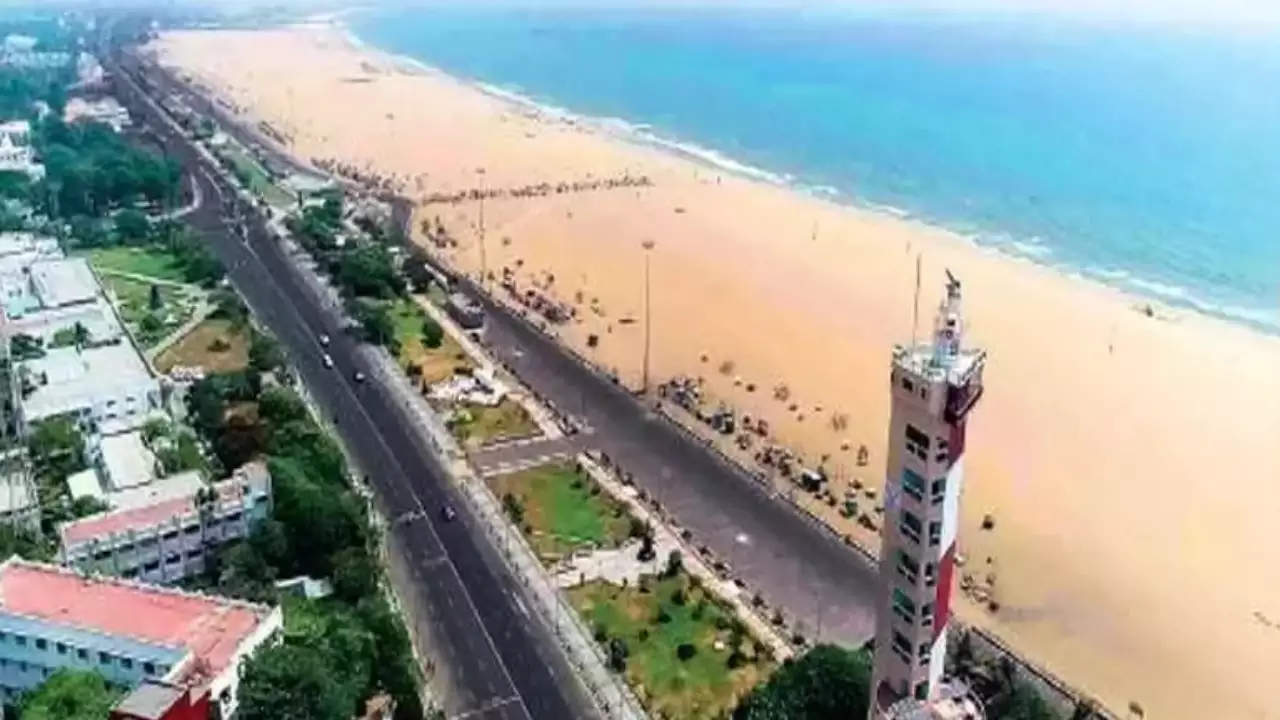
Chennai’s historic Marina Beach is undergoing a strategic transformation as the Chennai Metropolitan Development Authority (CMDA) rolls out its much-anticipated ‘Marina Heritage Corridor’ initiative, valued at Rs 10 crore.
Spanning a 4-kilometre stretch from the city’s iconic Lighthouse to Island Grounds, the redevelopment blueprint is positioned not just as an urban beautification exercise but a calibrated step towards enhancing civic pride, walkability, and sustainable public infrastructure in one of India’s most recognisable waterfronts. The ambitious project, greenlit in the Tamil Nadu government’s 2024–25 budget, is designed to reinvigorate the cultural fabric along Kamarajar Salai, a corridor known as much for its architectural grandeur as its civic neglect. At the heart of the proposal is a focused effort to restore the spatial prominence of heritage landmarks such as the University of Madras, Senate House, Presidency College, and Vivekanandar Illam. While the beachfront has historically enjoyed policy focus, the landward stretch has suffered from poor pedestrian access and a visible erosion of urban vibrancy. The CMDA’s renewed attention aims to reverse this imbalance by foregrounding architecture, mobility, and public engagement.
The plan involves an array of enhancements—decorative street lighting, landscape installations, sculpture courts, water features, and cultural gathering zones that will animate the corridor and re-establish it as a civic focal point. Additionally, interpretive signage will offer contextual insights into the rich history of the precinct, making it both educative and experiential. Strategically placed viewing decks are expected to offer new perspectives on the city’s colonial and pre-independence-era built heritage, helping both citizens and tourists rediscover the spatial narrative of the promenade.
The corridor has been methodically divided into seven zones, a move aimed at mapping out and addressing functional impediments such as uneven footpath widths and hazardous pedestrian crossings. The planning framework leans heavily towards inclusive mobility—envisioning gender-neutral, age-friendly, and accessible walkways that promote equity in public space usage. This aligns with the larger vision of making Chennai a zero-net carbon city where development initiatives dovetail with green urbanism and social inclusiveness.
Bids for the execution of the project are scheduled to open on May 7, with a tight deadline of 10 months for completion. While this timeline reflects the urgency with which authorities are pushing to reclaim the civic value of this corridor, the broader intent speaks to a rising consciousness around climate-resilient urban planning. With rising temperatures and swelling urban populations, cities like Chennai are under pressure to reinvent themselves—not through isolated beautification but through integrated interventions that blend cultural revival with ecological foresight.
As Chennai negotiates the future of its public spaces, the Marina Heritage Corridor stands out as a bold assertion of what a modern Indian city can aspire to be—rooted in its past, accessible to all, and responsive to the challenges of tomorrow. The success of this project will ultimately lie not just in its execution but in its ability to create an inclusive, breathable and equitable stretch of urbanity in the heart of a sprawling metropolis.
Chennais beach stretch to see cultural revival and greener infrastructure push