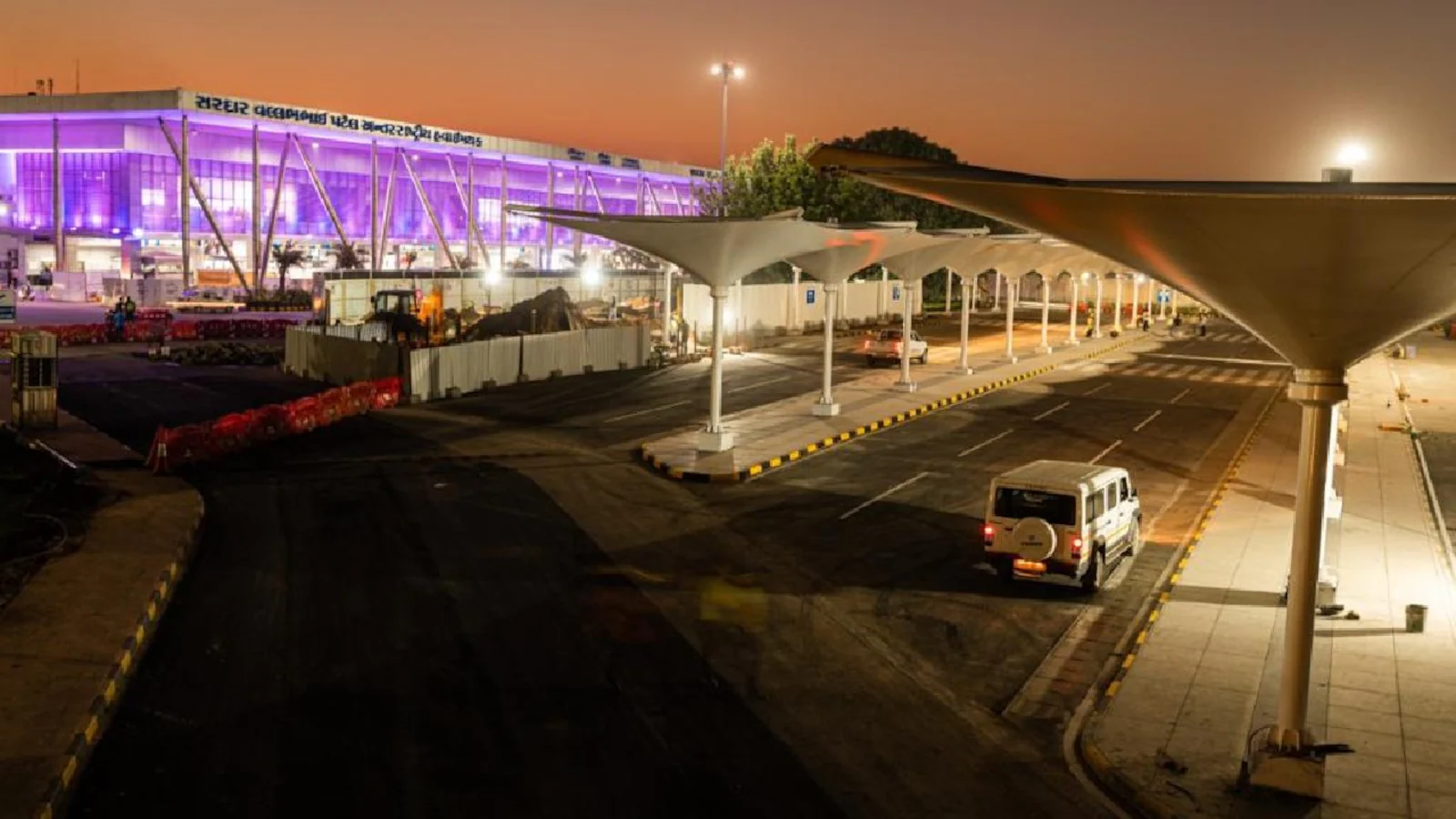
As Navi Mumbai prepares to unveil its self-proclaimed ultra-modern airport, boasting multiple runways and lavish facilities that promise an enhanced passenger experience, a critical examination of India’s infrastructure development trajectory comes into sharp focus.
While the nation has made strides in building large-scale projects, a recurring challenge often overshadows these achievements: ensuring seamless and efficient connectivity for end-users, particularly the crucial “last mile” that transforms a grand structure into a truly accessible and beneficial asset for its citizens. The experience of Kempegowda airport in Bangalore, which pioneered modern airport features in 2008 but crucially prioritised bus connectivity to the distant city, serves as a vital benchmark against the backdrop of persistent connectivity woes plaguing other major Indian airports. The narrative of India’s airport development presents a mixed bag. While Delhi’s Terminal 3 stands out with its efficient Airport Express link to the city centre and subsequent metro integration, the experience at Mumbai’s grand T2 terminal paints a contrasting picture. Despite its architectural splendour, navigating connectivity from T2 can be a bewildering experience for newcomers, often leading to reliance on potentially exorbitant cab services due to limited and unclear bus options. Furthermore, the journey to the older Terminal 1 is frequently marred by traffic congestion, a stark reminder of the challenges in integrating airport infrastructure with the existing urban fabric.
Against this backdrop, the upcoming Navi Mumbai airport, envisioned as even more magnificent than Mumbai’s T2, raises pertinent questions. Foremost among these is whether the critical aspect of commute from the new airport to the sprawling metropolis has been adequately addressed. The potential for long and expensive journeys to and from the airport could negate the benefits of its modern facilities, echoing the frustrations faced by travellers at other airports located far from city centres. This is particularly relevant considering the global trend of locating newer, larger airports on the outskirts to accommodate increased air traffic and potentially alleviate inner-city congestion. However, this geographical shift inherently necessitates robust and affordable connectivity solutions to avoid making the journey to the airport itself more time-consuming than the flight, especially given the airlines’ insistence on early check-in times and the facility user fees levied on passengers. Beyond surface connectivity, operational efficiency within the airport also warrants scrutiny. The promise of multiple runways raises the crucial question of whether Navi Mumbai will achieve simultaneous take-offs and landings, a standard feature in developed aviation hubs that significantly reduces delays. The current operational reality at Mumbai airport, where both arriving and departing flights often utilise the same runway, frequently leads to cascading delays, impacting airline schedules and passenger experiences. Addressing this tarmac efficiency will be paramount for the new airport to truly deliver on its promise of a world-class experience.
Finally, the integration with existing airport infrastructure in the Mumbai Metropolitan Region remains a key consideration. With Mumbai’s T2 terminal expected to be retained, the logistical challenges of connectivity between the two airports, located in virtually different cities, pose a significant hurdle for passengers with connecting flights. Unlike multi-airport cities like London or New York, where inter-airport transfers, though requiring careful planning, are feasible, the geographical separation between Navi Mumbai and the existing Mumbai airport necessitates meticulous attention to passenger guidance and potential future intermodal transport solutions. The broader issue highlighted by the narrative of India’s airport development, and mirrored in other infrastructure sectors like highways as evidenced by the 2022 IMF study using Google Maps data, is the often-overlooked importance of “last mile” connectivity and overall quality. While significant investments are channelled into large-scale projects, the planning and execution of seamless access and high-quality infrastructure often take a backseat. The prevailing mindset seems to prioritise speed of completion over ensuring comprehensive usability for the citizens who are ultimately meant to benefit from these projects. The fact that India’s average highway speed (58 km/hour) lags behind some African nations, despite significant investment, underscores the need for a parallel focus on quality and durability alongside rapid construction.
The development of the Navi Mumbai airport presents a crucial opportunity to break this pattern. By learning from the successes and shortcomings of other airport projects, both within India and globally, authorities have the chance to prioritise seamless passenger and aircraft movement from the outset. Addressing the challenges of last-mile connectivity, optimising tarmac efficiency, and planning for potential future integration with the existing transportation ecosystem will be vital in ensuring that Navi Mumbai’s new airport truly serves as an ultra-modern gateway that enhances connectivity and efficiency, rather than becoming another example of grand infrastructure hampered by a lack of holistic planning. Ensuring that the journey to and from the airport is as smooth as the experience within its terminals will be the ultimate measure of its success in serving the citizens and bolstering sustainable urban development in the region.
Last Mile Hurdles Loom for Navi Mumbai Airport