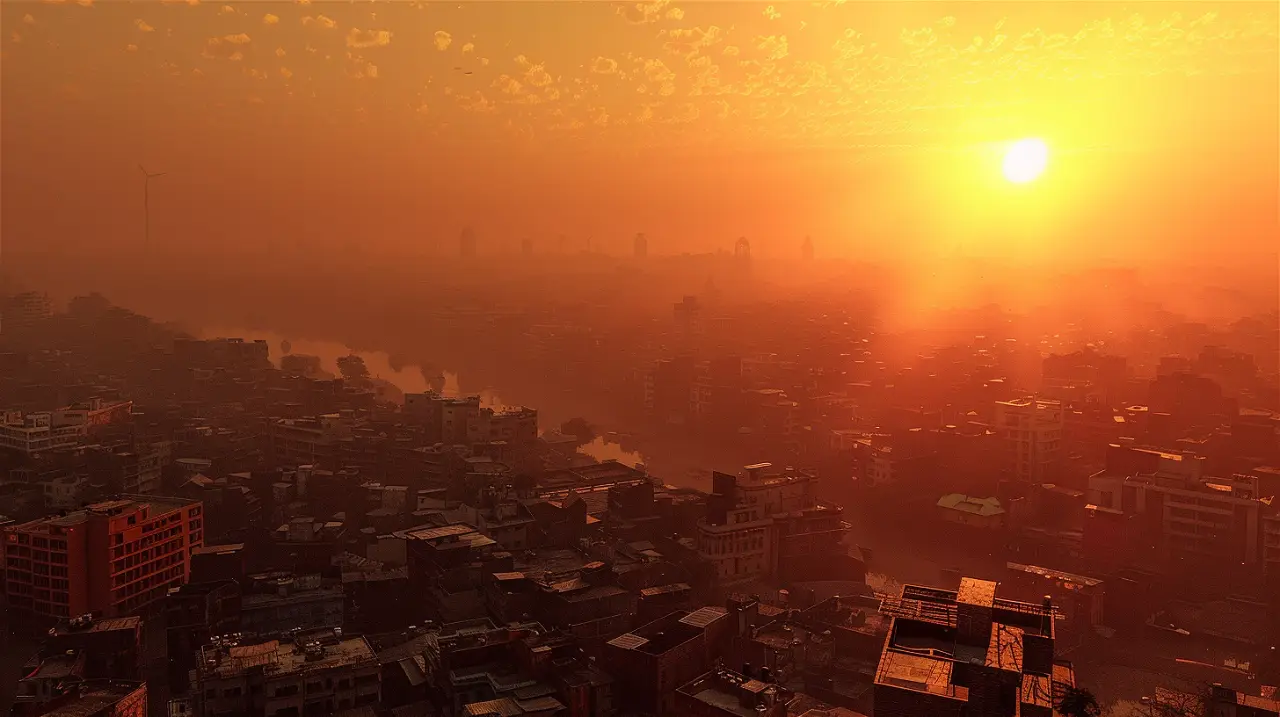
Delhi, where parts of the city such as Pitampura and the Northern Ridge have recorded temperatures higher than the official Safdarjung station on most days this season.
This temperature disparity has raised alarm among experts, as urban heat island (UHI) effects, along with insufficient green spaces, continue to exacerbate the city’s already sweltering climate.
On April 3, temperatures in northern Delhi’s Ridge soared to a scorching 40.4°C, a full six degrees above the season’s average. Meanwhile, just 15 kilometres away at Safdarjung, the mercury peaked at 39°C. Other areas in Delhi, such as Mayur Vihar, recorded much lower temperatures, with a maximum of 35.8°C. This significant variance in temperature between different locations within the city is becoming more pronounced each year.
The primary cause of these temperature fluctuations is the urban heat island effect. As urban areas expand and green spaces shrink, cities tend to absorb and retain more heat, making them significantly warmer than surrounding rural areas. A Met official from the India Meteorological Department explained that the geography and land use in different parts of Delhi contribute to these temperature differences. “Certain areas in Delhi, especially those located on the western periphery, experience a stronger impact from hot winds originating from Rajasthan. These winds hit these areas first before spreading to other parts of the city,” he said.
Experts assert that anthropogenic activities, including the burning of fuels and the operation of air conditioning systems, have significantly contributed to the rise in urban temperatures. The lack of vegetation and the dominance of concrete structures further aggravate the situation. Manju Mohan, a former professor from the Centre for Atmospheric Sciences, IIT Delhi, pointed out that these factors combined result in a warmer environment during the daytime, while nighttime cooling is hindered by heat trapped in buildings and urban infrastructure.
The city’s western areas, including Mungeshpur, Najafgarh, and Jafarpur, have also seen longer heatwaves in recent years. Last summer, for example, these areas experienced heatwave conditions on nine to ten days, whereas Safdarjung, which typically represents the city’s average temperature, reported only five such days.
This intensifying urban heat effect is a pressing issue that requires urgent attention from both local authorities and city planners. The lack of sufficient green cover, coupled with increasing emissions from vehicles and industrial activities, makes urban areas particularly vulnerable to extreme weather conditions. As more areas in Delhi experience the brunt of rising temperatures, the health and well-being of residents are at risk, particularly in densely populated neighbourhoods where relief from heat is scarce.
To mitigate this, experts recommend several measures, including the creation of more green spaces, the introduction of cool roofs, and the promotion of sustainable urban planning that reduces reliance on heat-retaining infrastructure. The inclusion of more trees, parks, and water bodies within urban zones could not only cool down these areas but also improve the overall quality of life for the city’s residents.
While efforts to tackle the urban heat island effect are in place, they need to be scaled up to keep pace with the growing challenges of climate change. In a city like Delhi, where temperatures are rising faster than expected, it is vital that the local government, businesses, and citizens work together to foster a more sustainable and climate-resilient environment. If action is not taken soon, the temperature disparities within the city will continue to widen, potentially leaving vulnerable populations to bear the brunt of an increasingly inhospitable urban climate.
Some Areas of Delhi See Higher Temperatures