


India Manufacturing Future Depends on Warehousing and Infrastructure
India’s manufacturing sector has grown significantly in recent years, with contributions to the nation’s GDP expected to increase sharply by 2032.
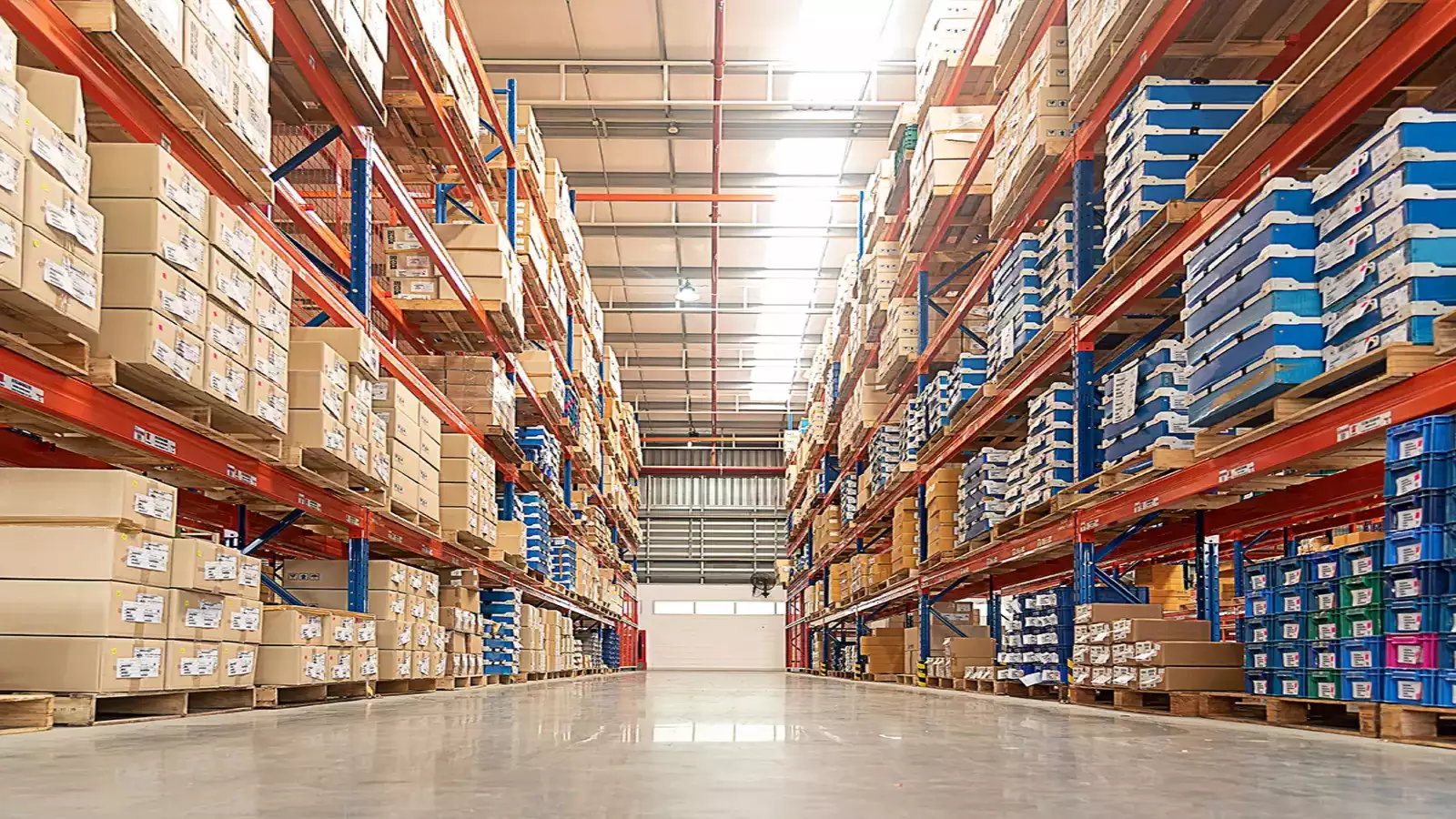
This expansion has prompted the need for a more efficient logistics and warehousing infrastructure to support the growing demand for supply chain solutions. India’s strategic location, large workforce, and government-backed incentives are positioning it as a competitive player in the global manufacturing arena, but challenges remain, particularly in the logistics and warehousing sectors. As India strengthens its manufacturing potential, the demand for improved warehousing solutions becomes increasingly critical. The Indian warehousing market, valued at $14.26 billion in 2024, is expected to grow at a CAGR of 15.64% through 2030. The growth is being driven by advancements in e-commerce, automation, and smarter logistics solutions, as well as by increasing industrialisation across the country. Warehouses are no longer limited to traditional godowns; instead, modern, automated spaces with cutting-edge technology such as robotics and real-time tracking systems are emerging.
The demand for these modern warehousing solutions is expected to continue to rise as India’s manufacturing sector expands. Companies are increasingly seeking Grade A facilities that offer temperature-controlled storage and advanced inventory management to cater to industries such as FMCG, pharmaceuticals, and retail. This shift towards modernised warehousing not only optimises supply chains but also reduces last-mile delivery costs, which can significantly improve operational efficiency. As India becomes more integrated into global supply chains, the role of third-party logistics (3PL) providers in the country’s warehousing ecosystem is also growing. These providers are leveraging artificial intelligence and the Internet of Things (IoT) to offer more efficient, tech-driven logistics solutions. In particular, the e-commerce sector, with its demand for fast deliveries, is driving the growth of 3PL services, as businesses increasingly rely on these services to meet customer expectations. Despite the significant growth in infrastructure development, challenges remain. India’s logistics costs are higher than the global average, accounting for approximately 13-14% of GDP, which impacts the country’s export competitiveness. To reduce these costs, the government has launched several initiatives aimed at improving infrastructure, such as the development of dedicated freight corridors and industrial corridors, as well as increasing port and rail connectivity.
These initiatives are essential to reducing transit times and ensuring the efficient movement of goods across the country. Additionally, policy reforms such as the Goods and Services Tax (GST) have simplified interstate commerce, improving supply chain efficiency. The future of Indian manufacturing will depend largely on the development of a robust logistics infrastructure, which includes the continued expansion of warehouses, ports, and highways. India’s logistics landscape is undergoing a transformation, making it an increasingly attractive destination for foreign investment. The country’s rising global stature as a manufacturing hub presents opportunities for investors in warehousing and logistics. For India to fully capitalise on these opportunities, however, ongoing investments in infrastructure and skill development are crucial. These investments will help to address the challenges in warehousing, logistics, and the supply chain sector, paving the way for India to secure its position as a global manufacturing powerhouse.
