


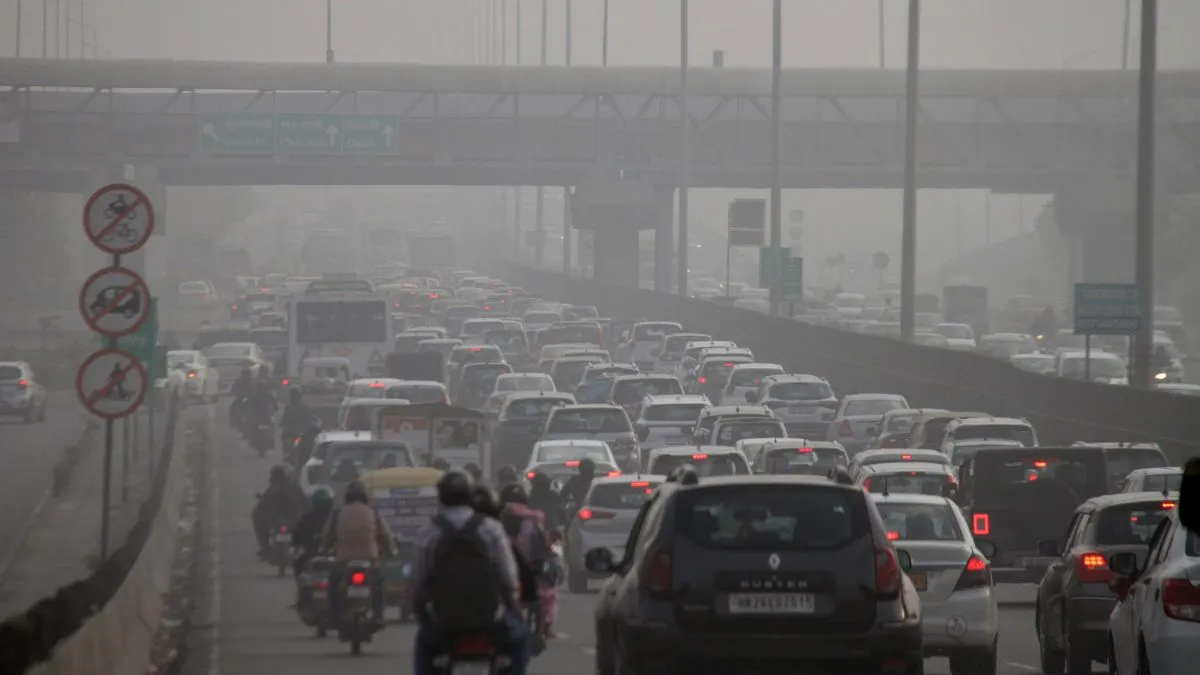
Hyderabad air quality emerged as a significant concern, ranking as the third most polluted among six major Indian cities. This assessment stems from a comprehensive study by the Centre for Science and Environment (CSE), which analysed real-time data from 115 continuous ambient air quality monitoring stations across Delhi, Kolkata, Mumbai, Chennai, Bengaluru, and Hyderabad between October 1, 2024, and January 31, 2025.
The findings revealed that Delhi recorded the highest average levels of fine particulate matter (PM2.5) at 175 micrograms per cubic metre, followed by Kolkata at 65 micrograms per cubic metre. Hyderabad’s average stood at 52 micrograms per cubic metre, surpassing Chennai’s 36 micrograms per cubic metre and Bengaluru’s 37 micrograms per cubic metre. Notably, the Industrial Development Area (IDA) of Pashamylaram emerged as the most polluted location within Hyderabad, with a seasonal average of 62 micrograms per cubic metre.Despite these concerning figures, there is a silver lining. Hyderabad, along with Delhi and Chennai, recorded winter averages lower than the average of the past three winters. The city also achieved the most significant improvement in average peak levels, with a 51% reduction in PM2.5 concentrations, decreasing from 183 micrograms per cubic metre in the previous year to 89 micrograms per cubic metre.
However, these improvements do not present a complete picture. The study highlighted considerable variations within Hyderabad, with numerous locations experiencing pollution levels higher than the city’s average. This disparity underscores the need for targeted interventions and policies to address the specific challenges faced by different localities.
The persistence of elevated pollution levels in certain areas calls for a comprehensive approach to urban planning and environmental management. Strategies such as promoting sustainable transportation, regulating industrial emissions, and enhancing green spaces are essential to improving air quality. Additionally, public awareness campaigns can play a crucial role in educating citizens about the sources and impacts of air pollution, fostering community involvement in mitigation efforts.
In conclusion, while Hyderabad has made strides in improving air quality, significant challenges remain. Addressing these issues requires a collaborative effort from government authorities, industries, and residents to ensure a healthier and more sustainable urban environment.
