


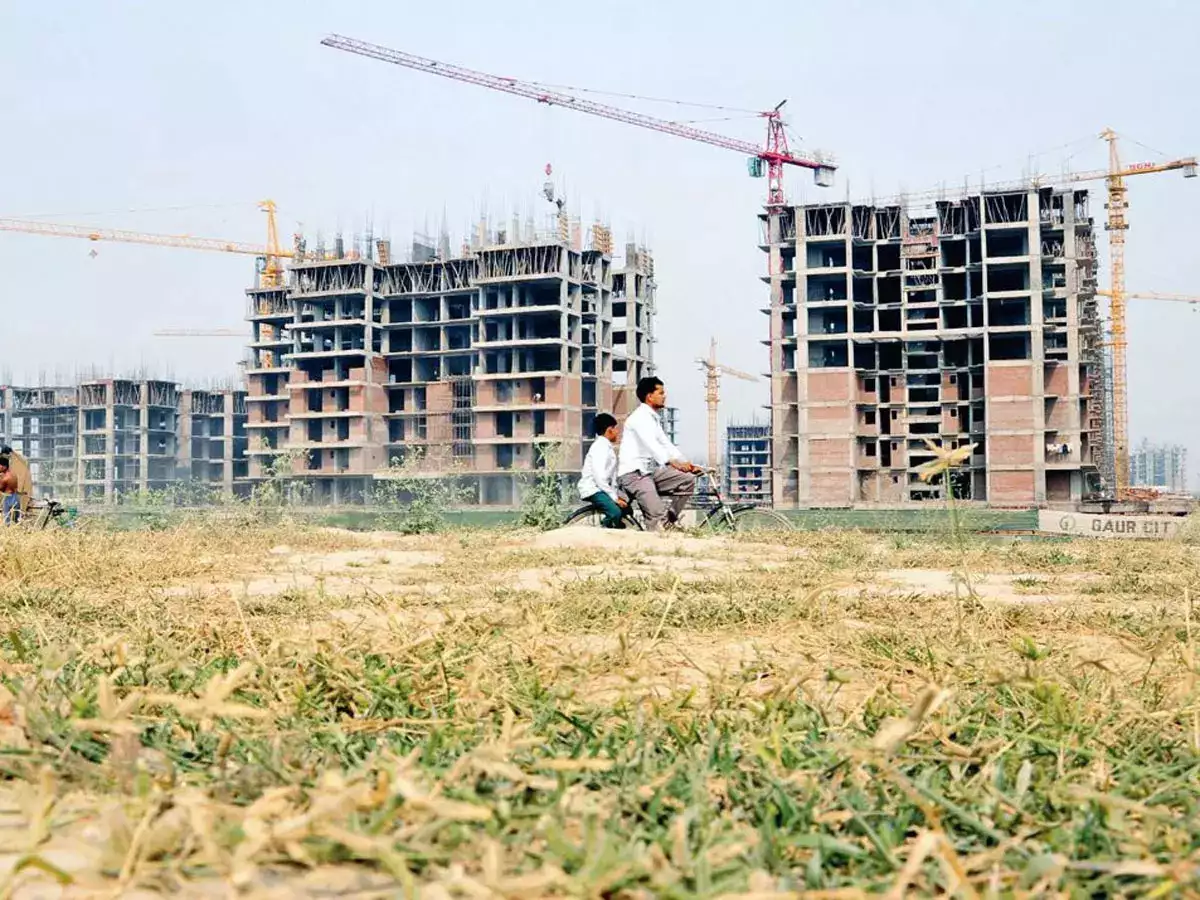
Maharashtra Struggles to Meet PMAY Urban Housing Targets
The Pradhan Mantri Awas Yojana (PMAY) for Maharashtra by 2022 has largely remained unmet. As of January 2025, the state has sanctioned just 12.10 lakh units, with only 2.04 lakh homes completed and another 3.78 lakh in the early stages of development. This shortfall, highlighted in the state’s latest economic survey, has raised concerns about the progress of affordable housing projects in urban areas, underscoring systemic issues that hinder timely completion.
The PMAY scheme, launched in 2015, was designed to address the growing demand for affordable housing in India’s cities, targeting the economically weaker sections (EWS) of society. However, nearly a decade later, the gap between targets and actual achievements in Maharashtra paints a worrying picture. With only 10.51% of the targeted homes completed, the ambitious goals for the state have faced significant delays. Housing experts have pointed out that while the state government has sanctioned thousands of units for development, delays in construction and other challenges such as land acquisition issues, rising material costs, and approval bottlenecks continue to impede progress. The state’s housing department remains optimistic, with officials stating that efforts are being made to accelerate construction and ensure regular follow-ups on ongoing projects. Despite these assurances, experts believe that these persistent delays highlight systemic weaknesses in implementation.
The state’s economic survey also revealed the launch of PMAY-U 2.0, a revised version of the original scheme aimed at providing financial support to one crore urban poor and middle-class families nationwide. Under PMAY-U 2.0, the central government offers Rs 2.5 lakh per unit for the construction of affordable housing, with a 60:40 funding model shared between the central and state governments. The new version also introduces a vertical for affordable rental housing, which could potentially address the housing crisis in metropolitan areas. Despite the renewed focus on affordable housing, PMAY-U’s progress in Maharashtra remains slow, with only 10 joint venture projects initiated under the Affordable Housing in Partnership (AHP) vertical. These projects aim to build 27,388 homes for the EWS and 4,521 for the low-income group (LIG), but only eight projects have commenced, resulting in the construction of a meagre 17,076 EWS homes and 3,902 LIG units.
Only a small fraction just 100 EWS units have been completed and handed over to beneficiaries. Housing advocates and urban analysts suggest that for the state to meet even the revised housing targets, there needs to be a significant shift in how the projects are managed. Addressing the challenges of land acquisition, approval delays, and funding constraints will be essential if Maharashtra is to meet its housing goals in the coming years.
The survey also acknowledged the need for increased support for women in the housing sector, with the PMAY scheme specifically promoting women empowerment by ensuring house ownership in female or joint names. However, the lack of detailed reporting on how these targets are being met in the latest economic survey has raised concerns about transparency in the implementation of gender-focused housing initiatives.
As Maharashtra moves forward with PMAY-U 2.0 and other housing initiatives, it remains to be seen whether the state can overcome these challenges and significantly increase the pace of construction to meet the growing demand for affordable housing in urban areas. The road ahead appears challenging, but with renewed efforts and efficient governance, there is hope for a future where every urban family has access to a home of their own.
