


IIT Bombay Study Uncovers Economic Burden of Natural Disasters in India
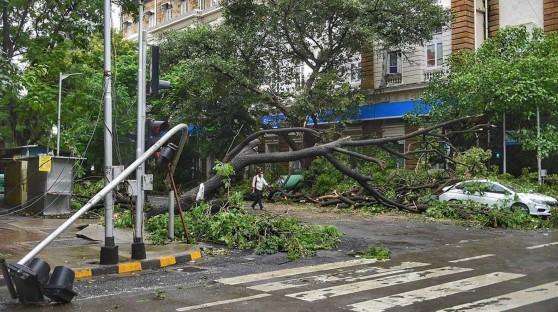
A new study by researchers at the Indian Institute of Technology Bombay (IIT Bombay) explores the lasting financial effects of natural disasters such as floods and cyclones on Indian states. Conducted by Nandini Suresh, Prof. Trupti Mishra, and Prof. D. Parthasarathy, the research spans a period of 24 years (1995–2018) and highlights the significant strain that these disasters place on state economies.
India’s vulnerability to natural disasters is well-documented, particularly due to its monsoon climate and coastal geography. With an average of five to six tropical cyclones annually, including two or three severe ones, the country faces immense challenges, not only from the immediate loss of life and property but also from the long-term financial burdens. State governments are often at the forefront of disaster response and recovery efforts, absorbing much of the cost. The study introduces the Disaster Intensity Index (DII), an innovative measure designed to assess the financial impact of disasters. Unlike traditional methods that rely on damage assessments, which can be inconsistent, the DII uses cyclone wind speeds and unusual rainfall data to quantify the severity of floods and cyclones.
This ensures a more standardized and impartial evaluation of the economic consequences. Using a panel Vector AutoRegression (VAR) model, the researchers examined how revenue and expenditure dynamics interact over time. The study reveals that the financial impact of disasters affects state budgets in two critical ways: Increased Expenditure: States face enormous costs in disaster relief efforts, including evacuation, medical aid, food, shelter, and infrastructure reconstruction. Declining Revenues: Disasters disrupt economic activities such as agriculture, trade, and business, leading to reduced tax collections and lower government income. This results in an unsustainable cycle of rising expenditures and falling revenues, which widens budget deficits.
The financial strain varies across states, with some less disaster-prone regions like Madhya Pradesh and Chhattisgarh managing to cope with minimal financial loss due to occasional floods or droughts. In contrast, coastal states such as Odisha, Andhra Pradesh, and West Bengal, frequently affected by cyclones and floods, incur higher recovery costs and revenue losses. These states often rely on external funding, such as loans, which increases their debt burden.
The study recommends the integration of disaster-resilient measures into state budgets, including public-private partnerships (PPPs) and flexible budget allocations. Governments could incentivise businesses to invest in disaster-resilient infrastructure through tax breaks and enforce sustainability regulations to mitigate future risks. States like Tamil Nadu, Kerala, and Odisha are already taking proactive steps toward climate resilience, such as implementing advanced cyclone monitoring systems, climate-adaptive urban planning, and budget tracking for climate-related expenditures. However, with the increasing frequency and intensity of natural disasters due to climate change, the financial pressure on states is expected to intensify.
The study concludes that Indian states must prioritise strengthening disaster preparedness, improving financial planning, and integrating resilience into state budgets. These measures are essential for ensuring long-term economic stability and protecting both lives and infrastructure. As the nation continues to confront the escalating challenges of climate change, building a financially resilient economy will be critical for safeguarding the future.
