


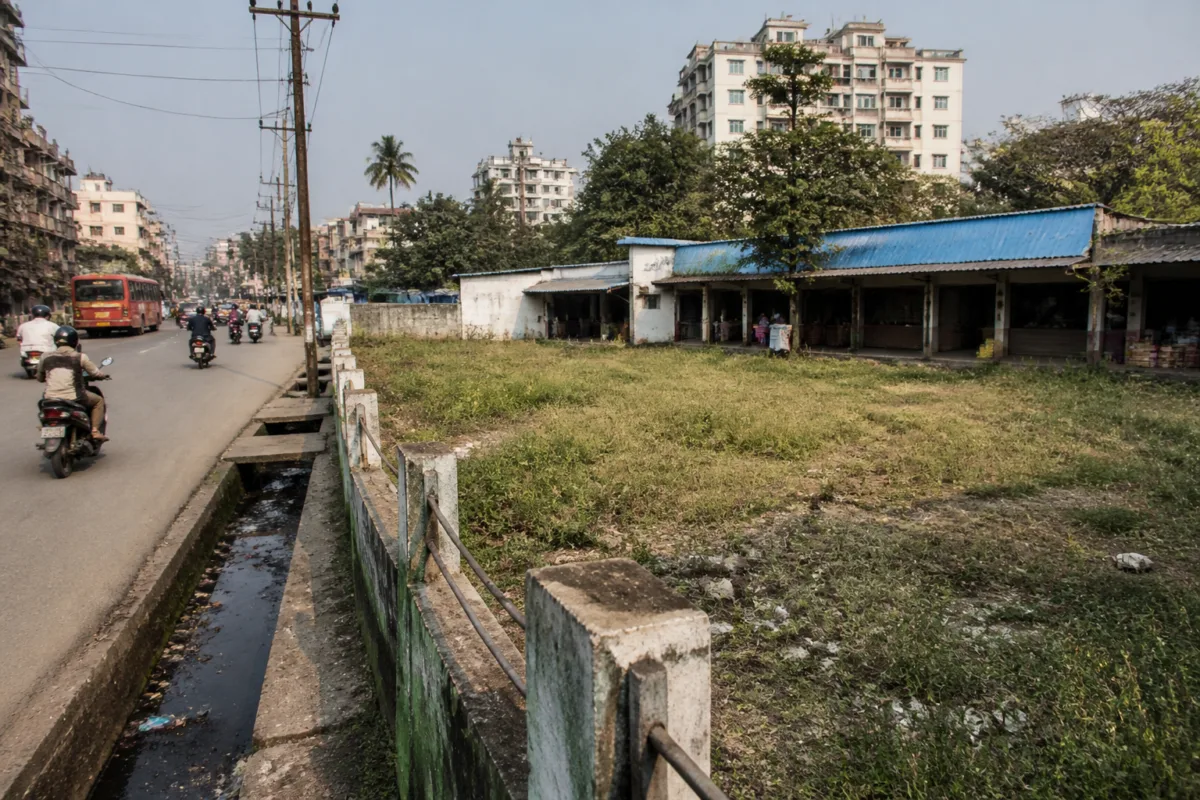
The Vasai-Virar City Municipal Corporation has unanimously approved an asset monetisation policy aimed at increasing municipal revenue and reducing dependence on state and Central government grants, according to a Loksatta report.
The policy proposes developing vacant or low-revenue properties under the civic body’s control through private developers, contractors, and government and non-government institutions. The reported objective is to create a continuing income stream for the corporation while responding to the infrastructure pressures created by the city’s rapid urbanisation.
The municipal corporation’s proposal was placed for approval by Municipal Commissioner Prithviraj B. P. during the general body meeting held on Friday. The report said all councillors supported it unanimously.
The policy follows directions issued by the Urban Development Department under a 100-day action plan. A government resolution published on July 22 directed municipal corporations to increase revenue through asset monetisation, the report said. Under the proposed approach, vacant land and buildings could be offered for development to private parties, with the administration claiming that this would generate a permanent revenue source for the corporation.
The civic body faces rising demand for roads, drains, flyovers and water supply as Vasai-Virar expands. The report said its annual budget is generally between Rs 3,000 crore and Rs 3,500 crore, but projects can be delayed when funds are inadequate and government grants fall short. The corporation also depends on grants for routine administration and services including health, education, sewage management and transport.
The report listed 852 reserved plots, 569 immovable properties and 873 commercial properties among the corporation’s assets. It did not provide details of which properties would be taken up first, the proposed development models, revenue targets, tender conditions or safeguards for public access and civic use. Those details will be important in assessing how the policy affects land use, municipal finances and local services.

