


Maharashtra Revenue Minister Chandrashekhar Bawankule has directed officials to ensure effective implementation of MahaKhanij 2.0, a digital system intended to curb illegal mining, unauthorised transportation and revenue leakage in the management of minor minerals.
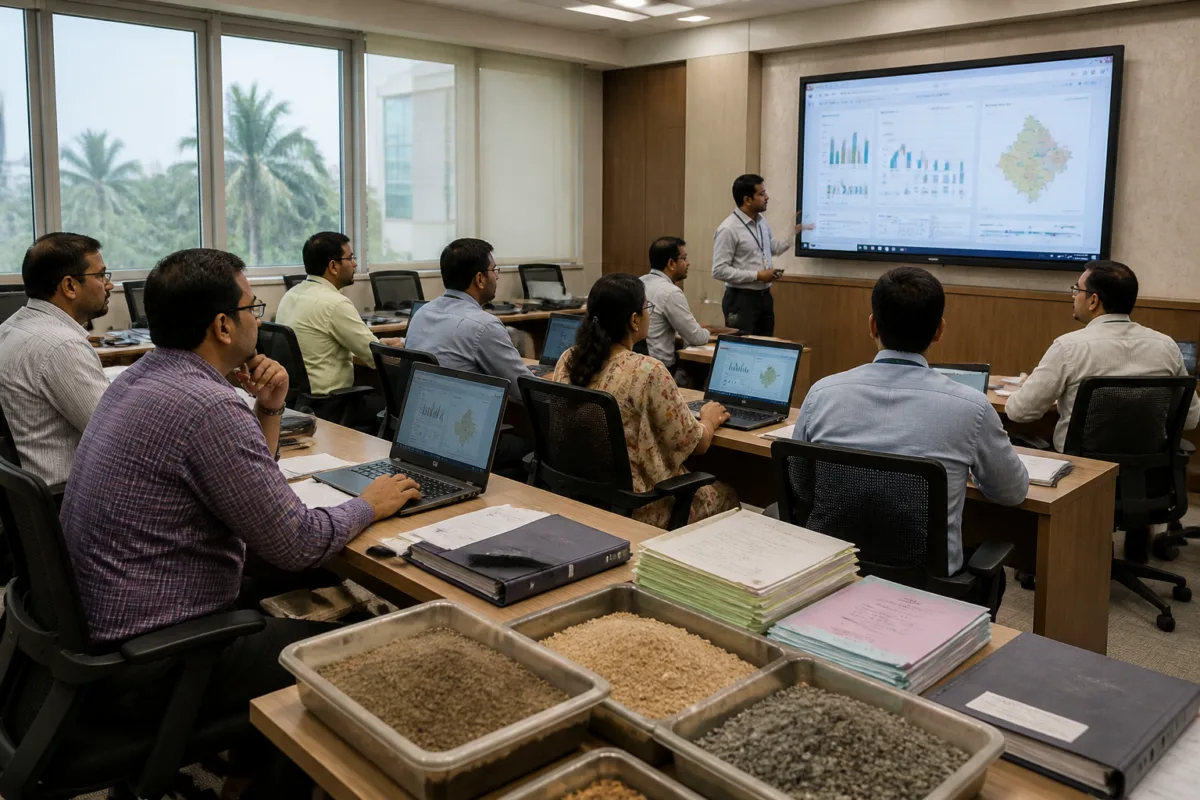
Bawankule issued the direction while addressing a state-level training workshop for resident deputy collectors and district mining officers in Navi Mumbai, according to a release reported by PTI.
He called for a district- and taluka-wise digital database covering minor mineral extraction, mining activity, royalty collected and pending revenue. He also proposed a separate dashboard within MahaKhanij 2.0 to monitor officials’ work. The government is considering recording instances of illegal mining in the confidential reports of responsible officers, he said.
Bawankule said all government departments using minor minerals must register their requirements on the portal. He added that a government resolution would be issued to record minor minerals during building construction permissions, allowing their actual usage, royalty and revenue to be monitored together.
The minister said the state’s target of collecting Rs 5,000 crore in revenue from minor minerals could be achieved through coordinated efforts. He described the platform as an attempt to replace older working practices with a faster, technology-driven system.
Revenue Additional Chief Secretary Vikas Kharge said MahaKhanij 2.0 formed part of wider reforms alongside the M-sand scheme. He linked the reforms to potential phased restrictions on river sand mining, although the report did not specify a timeline or the scope of any such restrictions.
The proposed integration with building permissions could give authorities a way to compare declared construction-material use with royalty and revenue records. The effectiveness of the system will depend on implementation across departments and on the completeness and timely updating of district-level data.

