


Tamil Nadu’s tender policy for smaller public works has come under scrutiny after anti-corruption organisation Arappor Iyakkam alleged that a social-media song criticising the government’s use of quotation tenders was blocked on Instagram in India.
The organisation said its song, titled “Thodamaattom, Thodavidamaattomnu Sonneengale?”, was released to oppose a circular allowing works costing below Rs 50 lakh to be awarded through quotations instead of online tenders. Arappor Iyakkam convenor Jayaram Venkatesan questioned why the government had created room for contracts to be kept outside the public e-tendering process, according to a statement reported by The New Indian Express.
Jayaram said the organisation’s Instagram account was notified soon after the reel began gaining traction that it had been removed in India “in compliance with legal requirements”. He described the action as an attack on freedom of speech and expression. However, the report said no reason or legal provision was cited, and it remained unclear whether the action was taken by the Tamil Nadu police, another authority or Instagram itself.
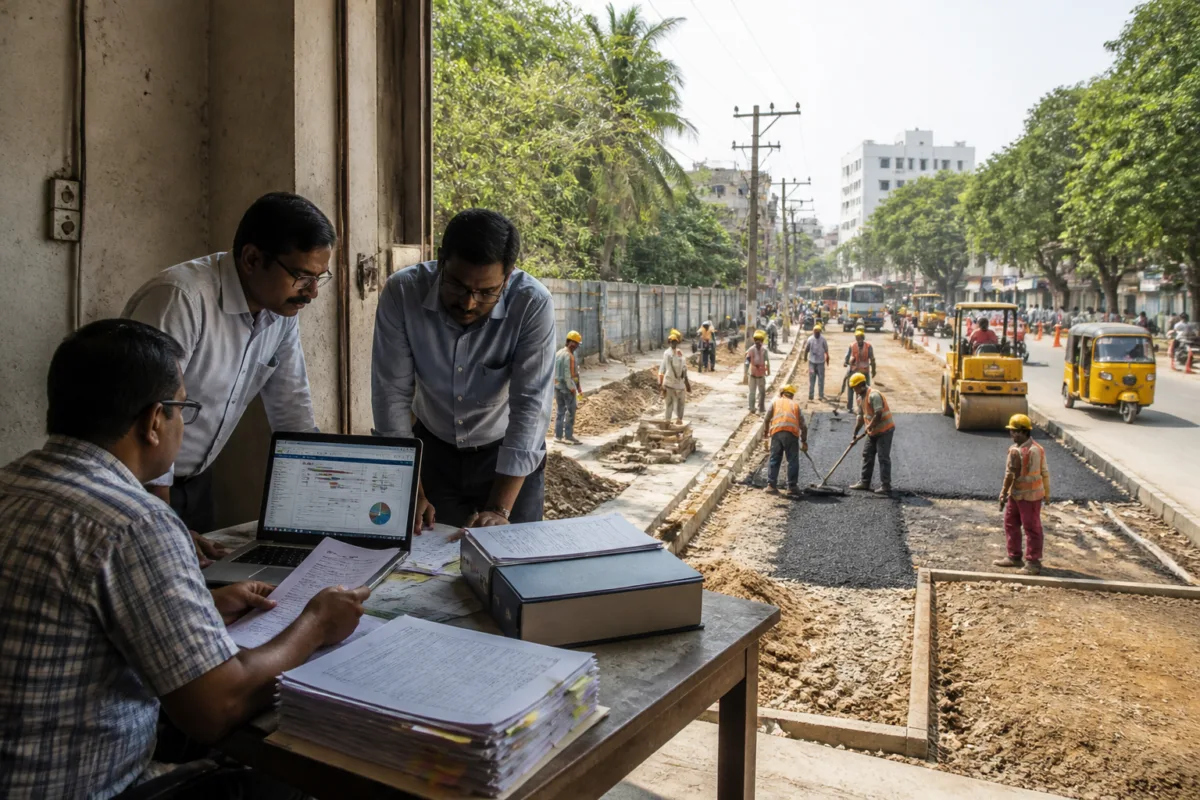
The procurement issue has a direct bearing on how civic and departmental works are competed for and reviewed. Arappor Iyakkam said open e-tenders for works floated by the Chennai Corporation and other departments had attracted bids between 5% and 25% below scheduled rates in several cases. It used this comparison to argue that online tendering can produce greater competition and potentially reduce costs to the public exchequer.
In a representation dated November 24, the organisation asked Chief Minister C Joseph Vijay and Finance Minister N Marie Wilson to withdraw the circular. It also demanded that all contracts above Rs 1 lakh be awarded through the e-tender process.
The report does not include a response from the Tamil Nadu government, the Chennai Corporation, the police or Instagram. It also does not provide the text of the circular or independently verify the organisation’s comparison of bid prices. The immediate public-interest question is therefore whether the proposed quotation-based process includes adequate disclosure, competition and audit safeguards for smaller urban works, and whether the government will publish its rationale and implementation rules.

