


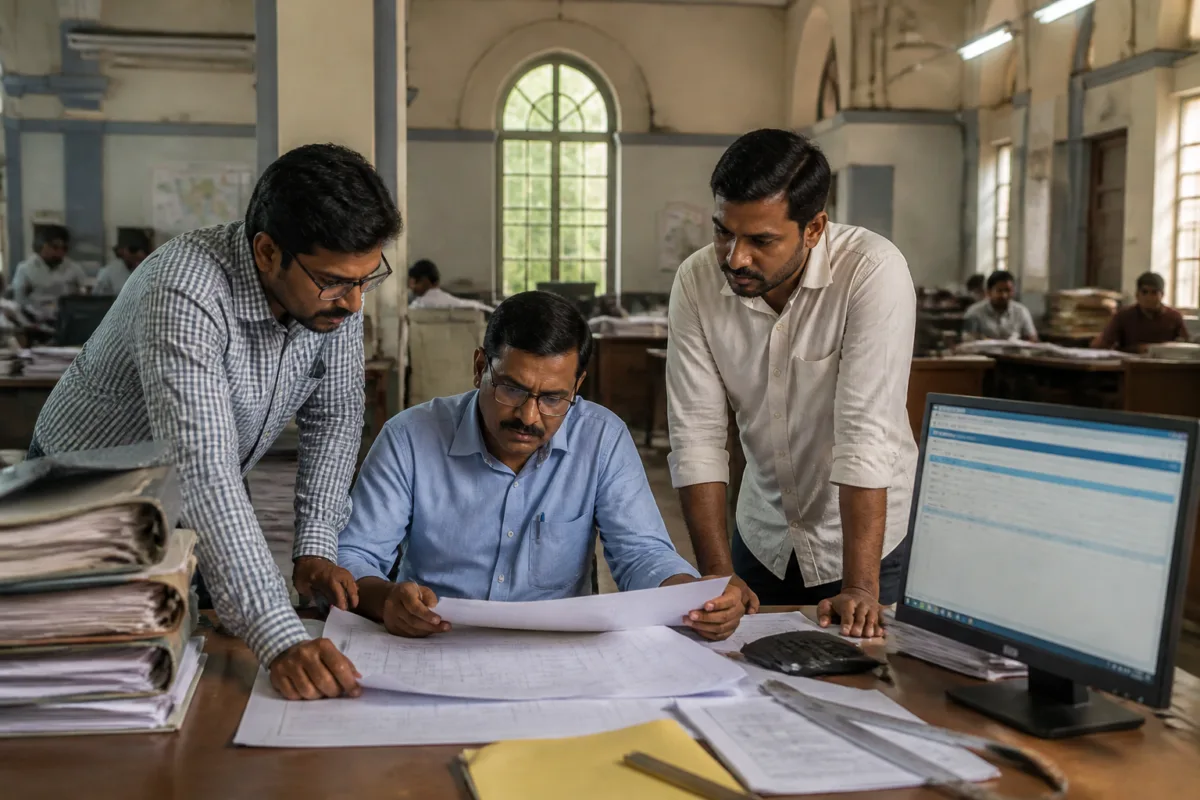
Questions have been raised over the transparency of several Tamil Nadu Public Works Department tenders after contractors claimed that estimated financial amounts were not shown in the tender documents.
The department undertakes construction and maintenance of buildings used by multiple state agencies, including public health, school education, revenue and agriculture departments. Its work ranges from buildings such as the Secretariat to village administrative offices. The relevant departments provide funds, after which the Public Works Department prepares project estimates and executes the work through contractors, according to the report.
More than 1,400 works have reportedly been put out to tender through the department, with contractor selection expected to take place by January. Dinamalar reported that financial allocation details were missing from several of the tenders and that new contractors were reviewing the government tender portal.
The contractors cited in the report said the issue affected some construction and maintenance works in Chennai, along with electrical works and the installation of surveillance cameras. They alleged that financial information for electrical works had also not been disclosed. The contractors said they had submitted a complaint to the Chief Minister’s special cell.
The report frames the disclosure issue against the state government’s stated emphasis on transparent contractor selection. It said Chief Minister Vijay had instructed officials to maintain transparency in the process and that Public Works Minister Aadhav Arjuna had reiterated the point in review meetings.
The immediate concern for bidders is whether tenders can be compared and priced effectively when estimated amounts are absent from the published information. For the public, the issue affects how construction and maintenance work for government buildings is presented, awarded and monitored.
Dinamalar’s report did not include a response from the Public Works Department or details of any official review of the tenders. It also did not identify the individual tender numbers or state how many of the more than 1,400 works allegedly omitted financial details. Those points will be important for establishing the scale of the issue and determining whether the omissions reflect a common publishing practice or errors in specific tender notices.

