


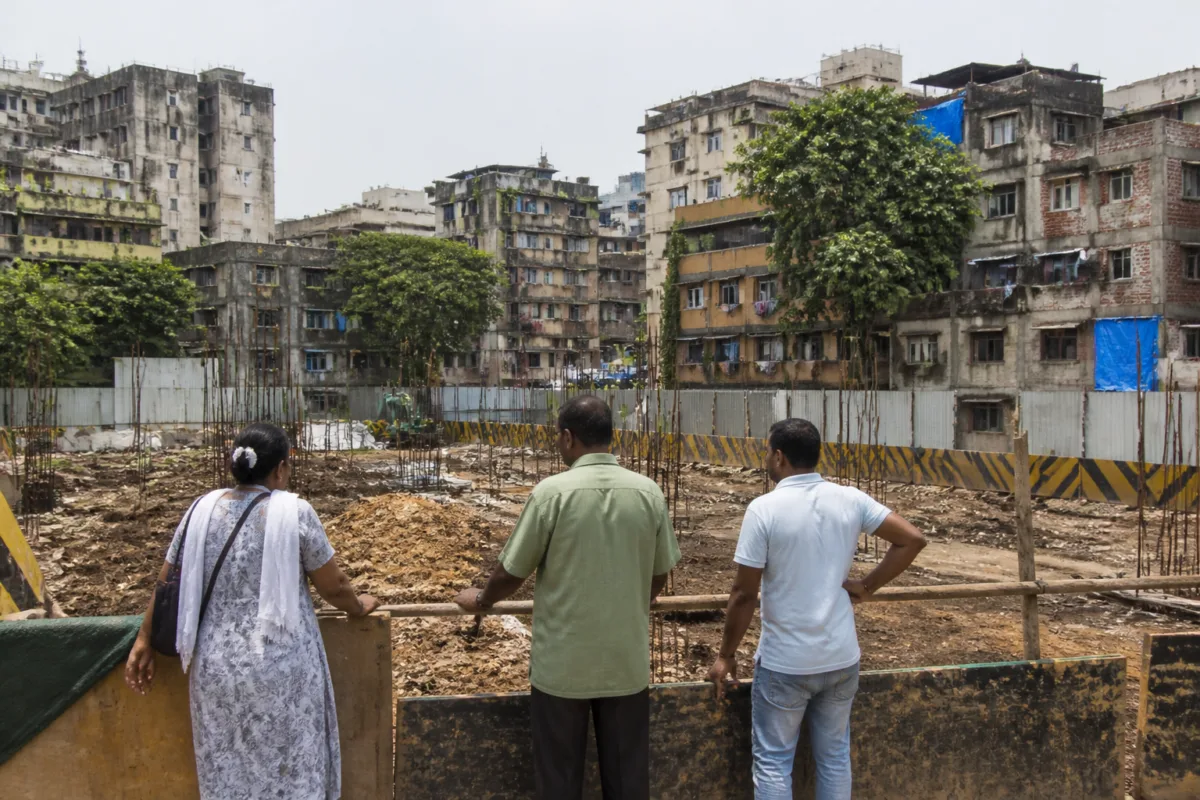
Residents displaced by the Guru Tegh Bahadur Nagar redevelopment project in Sion Koliwada are still awaiting the monthly rental compensation they were told would begin on November 1, according to a report by the Free Press Journal. The delay has left families who have been living in rented accommodation since their buildings were demolished facing continued financial pressure.
The Maharashtra Housing and Area Development Authority (MHADA) had indicated that eligible beneficiaries would receive Rs20,000 a month after the competent authority issued the Commencement Certificate. Residents said the payment file was pending with the Urban Development Department-II as November drew to a close. The reported delay has added uncertainty for households that have already spent years away from their original homes.
The compensation amount is also a point of contention. Residents said the Rs20,000 monthly figure was based on a 2018 feasibility report and had not been revised despite higher rents. They have questioned why the package does not include an annual escalation clause. According to the report, the payment is fixed for four years, or until the redevelopment is completed, while some other redevelopment projects provide for periodic increases.
The project covers about 11.20 acres and involves 25 buildings containing approximately 1,200 tenements. The Brihanmumbai Municipal Corporation declared the structures dangerous in 2020, after which they were demolished and residents moved out. Preparatory work has since begun at the site, but the reported gap between displacement and rental support has become a central concern for affected families.
The residents were originally settled in the area through a government arrangement beginning in 1957. More than 1,200 refugee families were accommodated in around 1,200 flats across the 25 buildings. The redevelopment will therefore affect a large, established community rather than a newly occupied housing complex.
MHADA signed tripartite development agreements with the cooperative housing societies and the appointed Construction and Development Agency on March 5. It also signed a Construction and Development Agreement with Keystone Realtors of the Rustomjee Group. The project is described as MHADA’s first redevelopment initiative on private land under its Construction and Development Agency model and is being implemented under Development Control Regulation 33(9).
The proposed redevelopment includes three towers ranging from 39 to 48 storeys. Each eligible beneficiary is to receive a 635 sq ft flat, compared with earlier homes measuring 240 sq ft, excluding common toilet space. MHADA has also said it will maintain and manage the redeveloped buildings for five years after completion.
Those provisions address the eventual housing outcome, but the immediate issue is how displaced residents meet their costs while construction proceeds. A fixed rental payment that has not been revised since the feasibility assessment may lose value as market rents rise. A delayed payment can deepen that burden, particularly for households that have already had to secure accommodation outside the demolished buildings.
The GTB Nagar case highlights the importance of clearly documented relocation terms in redevelopment projects. For affected residents, the unresolved questions are when the pending payments will be released, whether arrears will be paid, how the four-year period will be aligned with the actual construction schedule, and whether any escalation mechanism will apply. The report did not include a fresh response from MHADA or the Urban Development Department-II on the status of the file or the timing of disbursement.

