


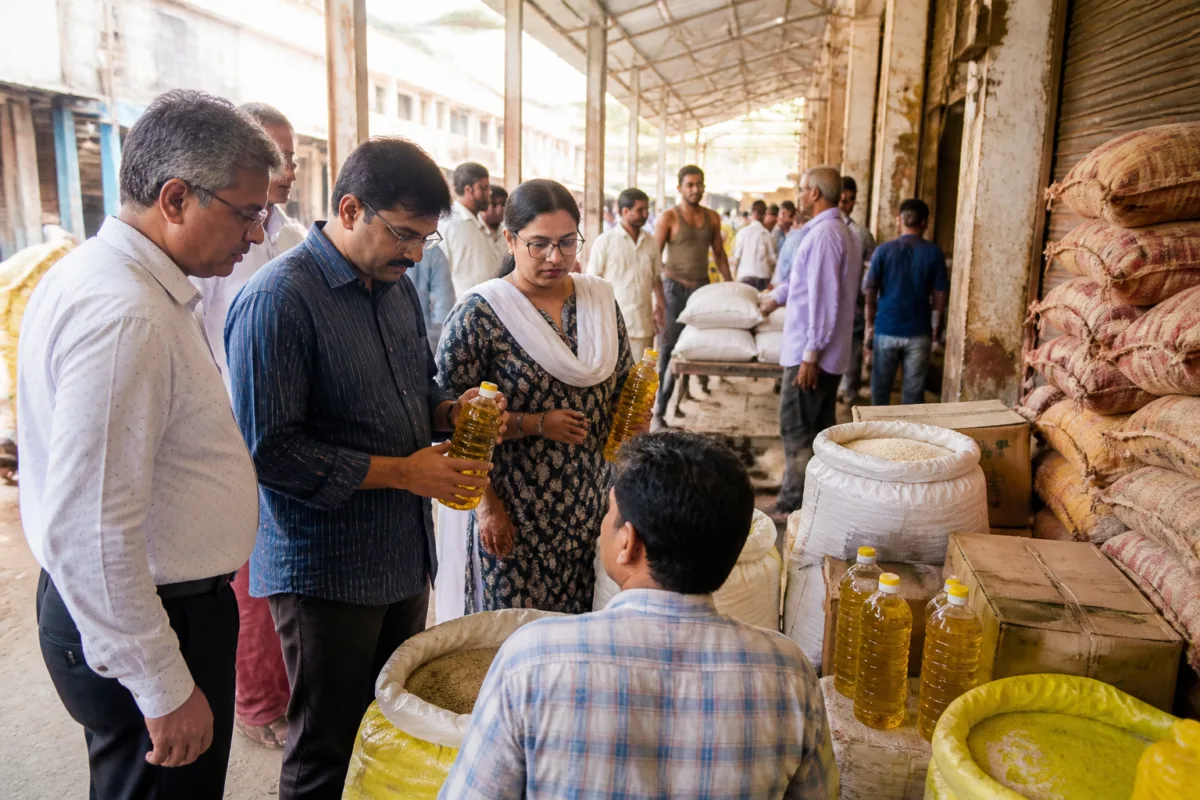
The Kolkata Police Enforcement Branch inspected wholesale and retail markets across the city on Wednesday as authorities examined rising prices of essential commodities and possible hoarding or artificial restrictions on supplies.
The inspections followed a meeting at the state secretariat the previous day, where West Bengal Chief Minister Suvendu Adhikari directed police and administrative officials to take stringent action against traders found illegally hoarding commodities or restricting supplies to drive up prices, according to officials.
Teams visited Koley Market in Sealdah and retail markets in the Shyambazar, Lake Market, College Street and B B Ganguly Street areas. Officials examined stock availability, wholesale-retail price differences and whether traders were manipulating supplies, the report said.
The enforcement exercise comes amid sharp increases in the prices of several daily-use commodities. Rice prices have risen by more than 20 per cent over the past few months, while mustard oil that previously averaged around Rs 170 a litre is now selling at nearly Rs 220. Loose sugar prices have risen to about Rs 80 a kg from around Rs 50, traders said.
The teams were also assessing whether gaps between wholesale and retail prices, limited stock or other supply conditions were contributing to the increases. The inspections themselves do not establish that hoarding or market manipulation has taken place.
The chief minister had expressed concern over the prices of mustard oil, sugar and potatoes and stressed that essential commodities should remain affordable for ordinary people. A similar inspection exercise was conducted in August after concerns were raised over rising onion and sugar prices.
The latest checks place market-level stock and pricing practices under scrutiny across several of Kolkata’s wholesale and retail trading areas. Further action will depend on what the Enforcement Branch and administrative officials find during their assessment.

