


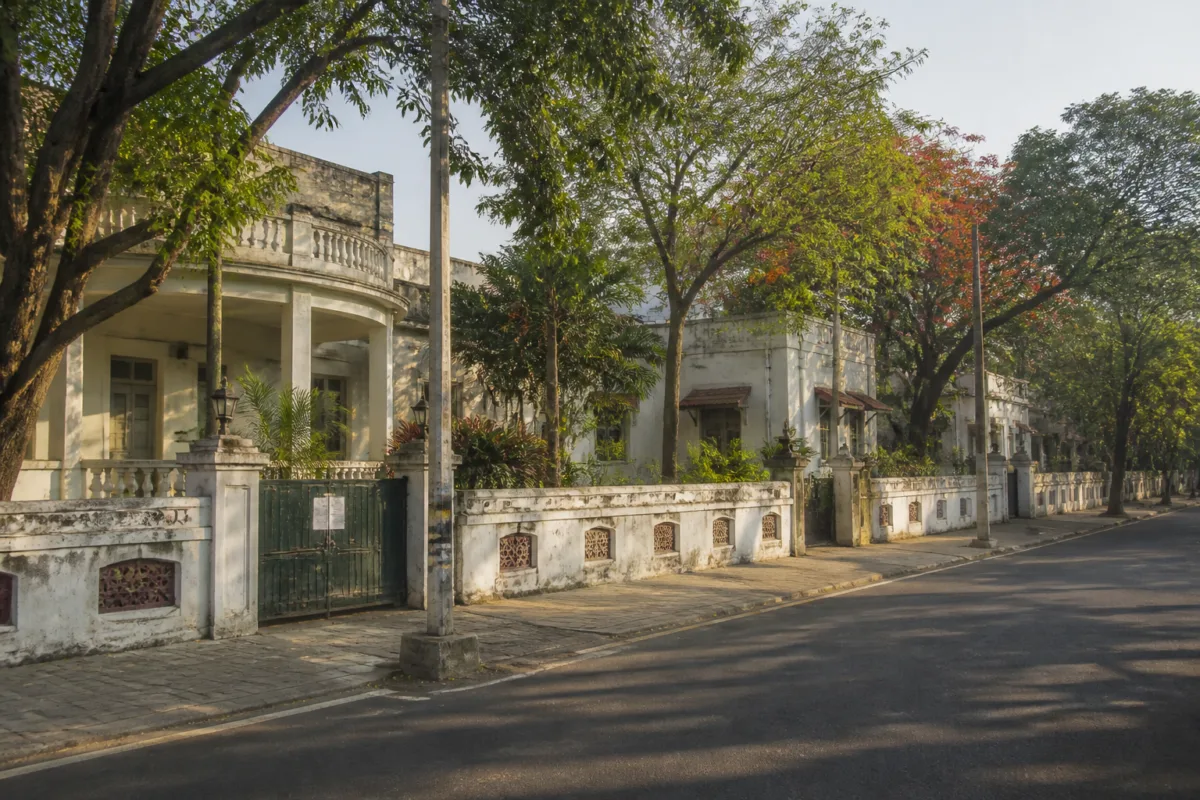
Madhya Pradesh government bungalow dues in Bhopal have reached about Rs 10 crore, with the state’s Estate Directorate issuing notices to 23 alleged defaulters, according to a report by Dainik Bhaskar. The reported arrears involve legislators, former ministers, political leaders, officials and institutions occupying government accommodation in the capital.
The report describes a disparity in the recovery of public dues. It says that while electricity authorities can seize equipment over relatively small unpaid bills in rural areas, action against occupants of high-value government residences has largely taken the form of notices. The comparison is presented by the newspaper as an example of unequal enforcement, rather than as a finding from an official audit.
Among the cases cited is that of Meena Singh, a five-time legislator from the Manpur constituency in Umaria district. She was allotted government residence B-27 while serving as tribal affairs minister in the Shivraj Singh Chouhan government. According to a notice dated November 12 cited by Dainik Bhaskar, Rs 17.52 lakh was outstanding against the residence. The report says two notices were displayed outside the bungalow.
The newspaper also reported outstanding dues of about Rs 13 lakh against B-15 in Bhopal’s 74 Bungalows area, allotted to L. Murugan, a former Rajya Sabha member from Madhya Pradesh and former Union minister. Dainik Bhaskar said Murugan had resigned from Parliament and the Union Council of Ministers, while the residence was being used as accommodation for a BJP organisation office-bearer.
Other cases show that recovery has occurred in some instances. Former minister Yashodhara Raje Scindia, who did not contest the latest Assembly election, reportedly cleared arrears of about Rs 9 lakh linked to her residence in the 45 Bungalows area. Former home minister Narottam Mishra, who lost the election from Datia, also reportedly paid about Rs 9 lakh outstanding on his Four Imli residence before the Datia by-election.
A separate case concerns B-5 in the Civil Lines area, which was allotted in the name of the Mahatma Gandhi Educational Institute to Mahesh Joshi. The report says Joshi died and his son vacated the residence, but arrears calculated from 2015 amounted to about Rs 30 lakh.
The reported figures raise questions about how the Estate Directorate tracks eligibility, calculates rent and penalties, issues eviction notices and recovers dues after an occupant loses office or an allotment expires. They also highlight the need for a transparent public record showing each government residence’s allottee, entitlement period, rent, penalty, notice status and whether the property has been vacated.
Dainik Bhaskar said the Estate Directorate was preparing details of other defaulters and had issued notices to 23 people. The report did not provide a complete list of occupants, the applicable rent rules, a recovery deadline or a response from the Estate Directorate or the individuals named. Those details would be necessary to establish the final liability in each case and assess whether continued occupation is authorised.
For Bhopal, the issue is not only the recovery of rent. Government residences are a public housing asset, and prolonged occupation after the end of an entitlement can reduce availability for serving officials or other eligible occupants. A consistent, documented recovery process would help distinguish legitimate extensions or institutional allotments from unauthorised retention and would make enforcement less dependent on the status of the occupant.

