


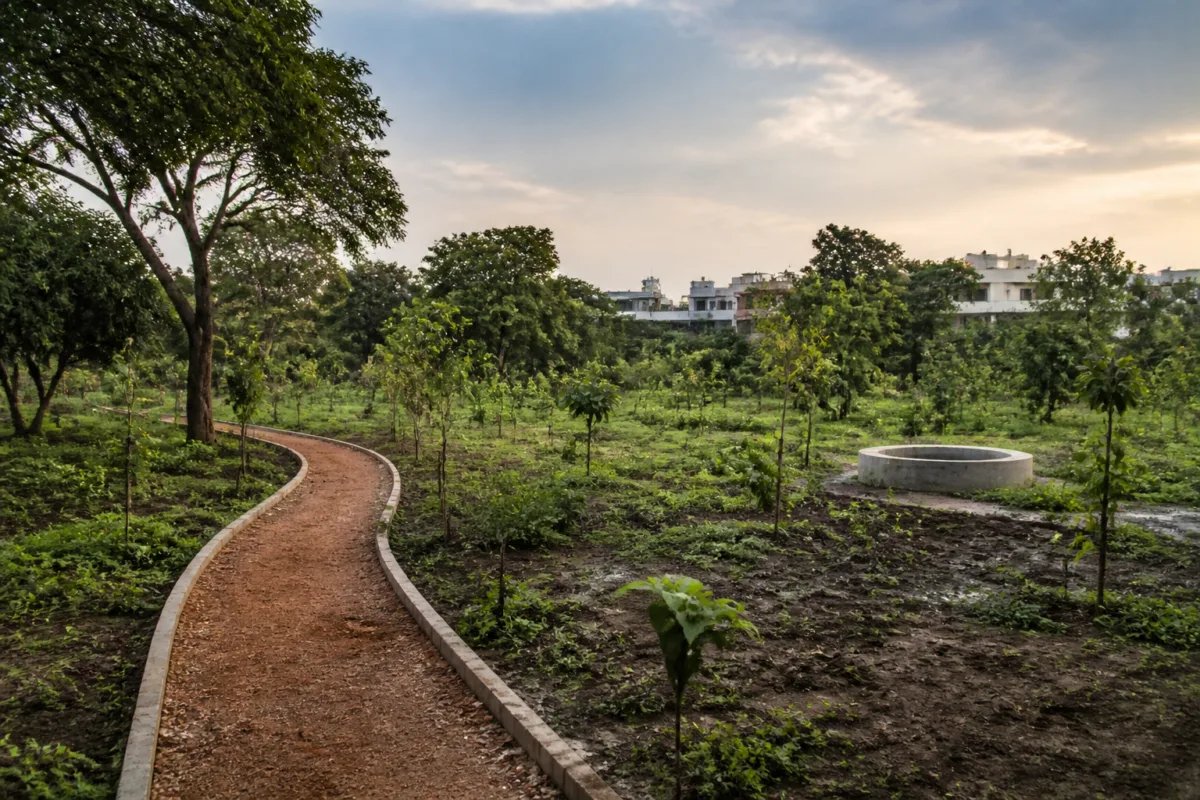
Bengaluru is set to receive 10 tree parks and natural urban forests under the Karnataka Forest Department’s ‘Nature Connect’ initiative, aimed at expanding green cover, protecting water resources and improving access to nature across the city and its suburbs.
The department has prepared an integrated plan for five sites within the Greater Bengaluru Authority (GBA) area and five in the surrounding region. It has submitted the proposal to the state government for in-principle approval, according to a report by Prajavani quoting Forest, Ecology and Environment Minister Ramalinga Reddy.
The proposed sites are the Turahalli Reserved Forest Botanical Garden; the Turahalli Mini Forest Tree Park and Natural Forest Area on Turahalli Hill; Kalkere Forest Ecology Centre; Doresanipalya Forest Research and Extension Centre; Marasandra Biodiversity Park; Mandur Bamboo Forest; Panathur Urban Forest; Jarakabande Urban Forest and Natural Forest Centre; the Tree Farming Centre at Jarakabande; and the Vishwaguru Basavanna Large Biodiversity Park at Madappanahalli.
The department says the sites will be designed as more than recreational spaces. Planned activities include planting native tree species, developing grasslands and improving habitats for birds, butterflies and pollinating insects. Water-conservation measures are expected to include rainwater harvesting, groundwater-recharge pits, lake restoration, check dams and steps to improve soil moisture.
The plan also includes themed landscapes such as an arboretum, medicinal and herbal gardens, a bamboo garden, a sacred grove and biodiversity zones. Walking and cycling paths, nature trails, viewing points and open green areas are proposed for nature-based recreation. Yoga and meditation spaces, an open-air theatre, outdoor classrooms and community activity zones are also part of the planned amenities.
Information and interpretation centres, research and extension facilities and a botanical centre are proposed to support environmental education and nature-based research. Visitor infrastructure would include entry gates, ticketing facilities, parking, drinking water, eco-friendly toilets, seating, gazebos and information boards.
The initiative is also intended to address the urban heat-island effect and climate-change impacts, according to the report. In areas dominated by eucalyptus, the forest minister has instructed officials to remove the trees and restore the land with native species, the report said. The source did not provide the total area of the proposed sites or a detailed site-wise implementation schedule.
Funding is expected to come from the 2026–27 budget as well as corporate social responsibility and corporate environmental responsibility funds. Reddy told Prajavani that the parks and natural urban forests would be developed within one year. Cabinet approval is expected shortly, followed by completion of the tender process and the start of work within three months, he said.
The minister said the sites would be opened to the public by the end of 2027 and that visitors would be charged an entry fee similar to Lalbagh. These milestones remain dependent on the proposed approvals, procurement and construction process.

