


Delhi Environment Minister Manjinder Singh Sirsa has said the government aims to make the Yamuna completely clean by 2029-30, claiming that 60 per cent of the river has already been cleaned and that its water is fit for drinking.
Speaking at the launch of Uber’s ‘One Less Car’ report in New Delhi on Monday, Sirsa said the work was progressing in phases with support from the Centre and the Delhi government. He attributed the improvement to efforts under Chief Minister Rekha Gupta and urged people to visit the river to assess its condition.
“Sixty per cent of Yamuna ji is totally clean… Clean means so clean that you can (even) drink that water,” Sirsa said, according to the report.
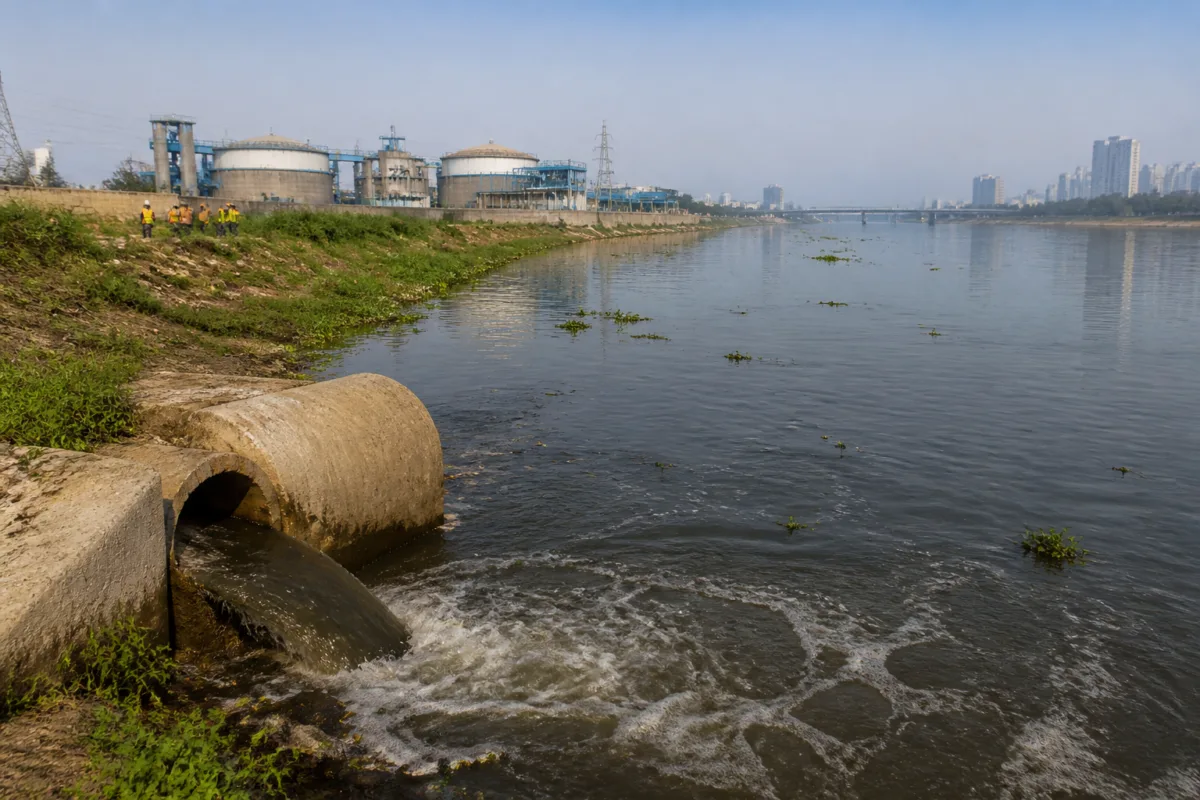
The minister acknowledged that sewage entering the river through drains remained a major concern. He said sewage treatment plants were being used to address the discharge, but the report did not provide water-quality data or identify the locations covered by the claimed 60 per cent clean-up.
The statement comes amid renewed judicial scrutiny of pollution in the Yamuna. On November 4, the Supreme Court directed the Central Pollution Control Board to monitor water quality at points where the Yamuna and major drains enter and leave states, Union Territories and districts. The court said sewage and industrial pollutants must be stopped at their source and noted that 520 drains were discharging wastewater into the river.
The minister also claimed that 60 per cent of the legacy waste accumulated in Delhi over 25 years had been removed in less than two years. He said the capital had recorded more clean-air days in October and the first half of November than in previous years, and cited restrictions on non-BS-VI vehicles entering Delhi from neighbouring National Capital Region areas as part of efforts to reduce vehicular emissions.
Sirsa called for public participation in tackling pollution, saying that health and clean air were the most important priorities. The 2029-30 target will depend on controlling sewage and industrial discharges at source, alongside the operation and effectiveness of sewage-treatment infrastructure.

