


Pune, Pimpri-Chinchwad and the wider Pune Metropolitan Region are set to receive a 25-year water security plan after the Maharashtra government formed a study group to assess future demand, available sources and the risk of shortages through 2051, according to a report by Dainik Prabhat.
The study group will examine water requirements for 2031, 2041 and 2051 across domestic, industrial, commercial, institutional and construction uses. It will also review existing water sources, approved water allocations and the potential gap between supply and demand as population growth, industrialisation, commercial development and proposed infrastructure projects expand across the region.
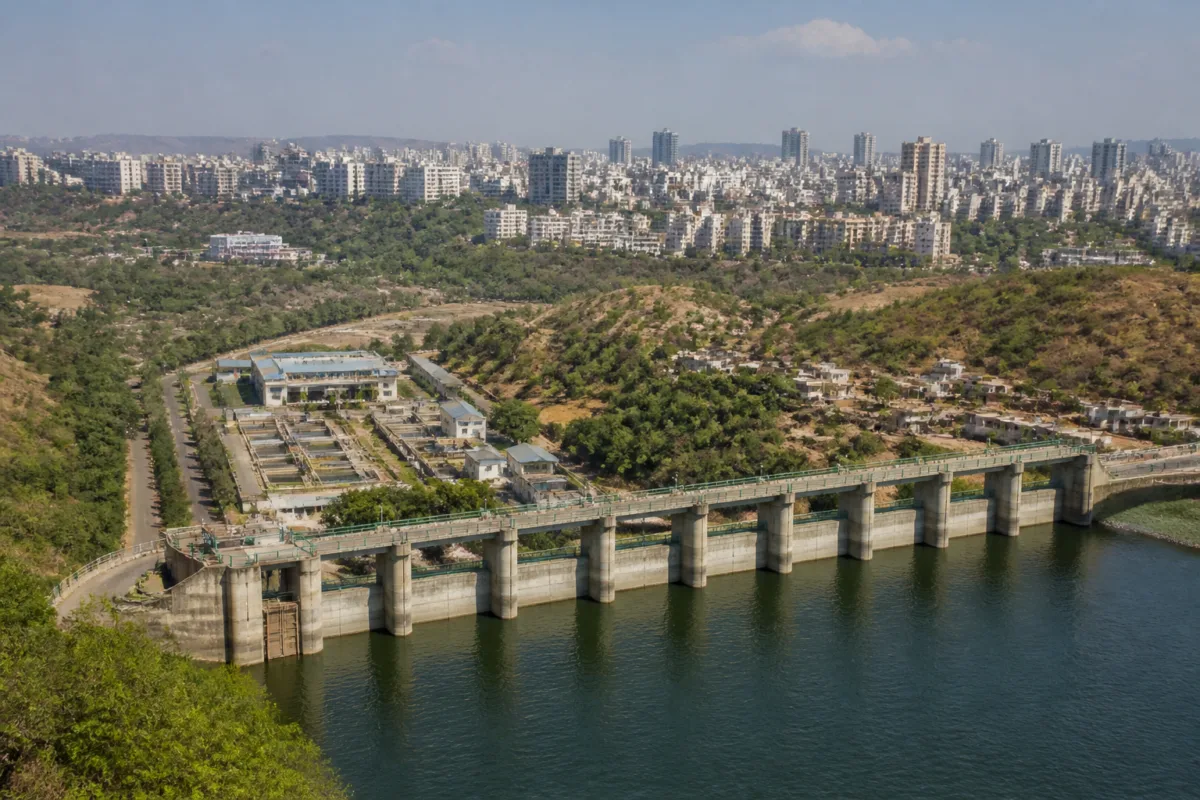
The Pune Metropolitan Region includes municipal corporations, municipalities, industrial areas and rural areas. At present, water is supplied to the region from dams managed by the state Water Resources Department, the report said.
The group will be chaired by retired Water Resources Department secretary Avinash Suve. Its members will include the commissioners of the Pune and Pimpri-Chinchwad municipal corporations, the Pune Metropolitan Region Development Authority commissioner, the director of the Maharashtra Remote Sensing Applications Centre, and senior representatives from the Maharashtra Industrial Development Corporation and Maharashtra Jeevan Pradhikaran.
The Water Resources Department’s chief engineer in Solapur will serve as member secretary. The group has been directed to submit its report within three months, according to the report, which cited a government decision issued by deputy secretary Savita Bodhekar.
The proposed assessment will identify new water sources, storage facilities and water supply schemes, and set priorities for them. It will also determine indicative costs, implementation schedules and departmental responsibilities.
The study will cover measures including treated wastewater reuse, rainwater harvesting, groundwater recharge and reduction of leakage in water pipelines. It will also assess the effects of climate change on water sources, the report said.
The exercise places long-term water planning alongside the region’s urban expansion. Its recommendations are expected to provide a common framework for local bodies, industrial areas and rural settlements that currently form part of the wider metropolitan water system. The three-month report will indicate how the government proposes to reconcile projected demand with existing allocations and future supply infrastructure.

