


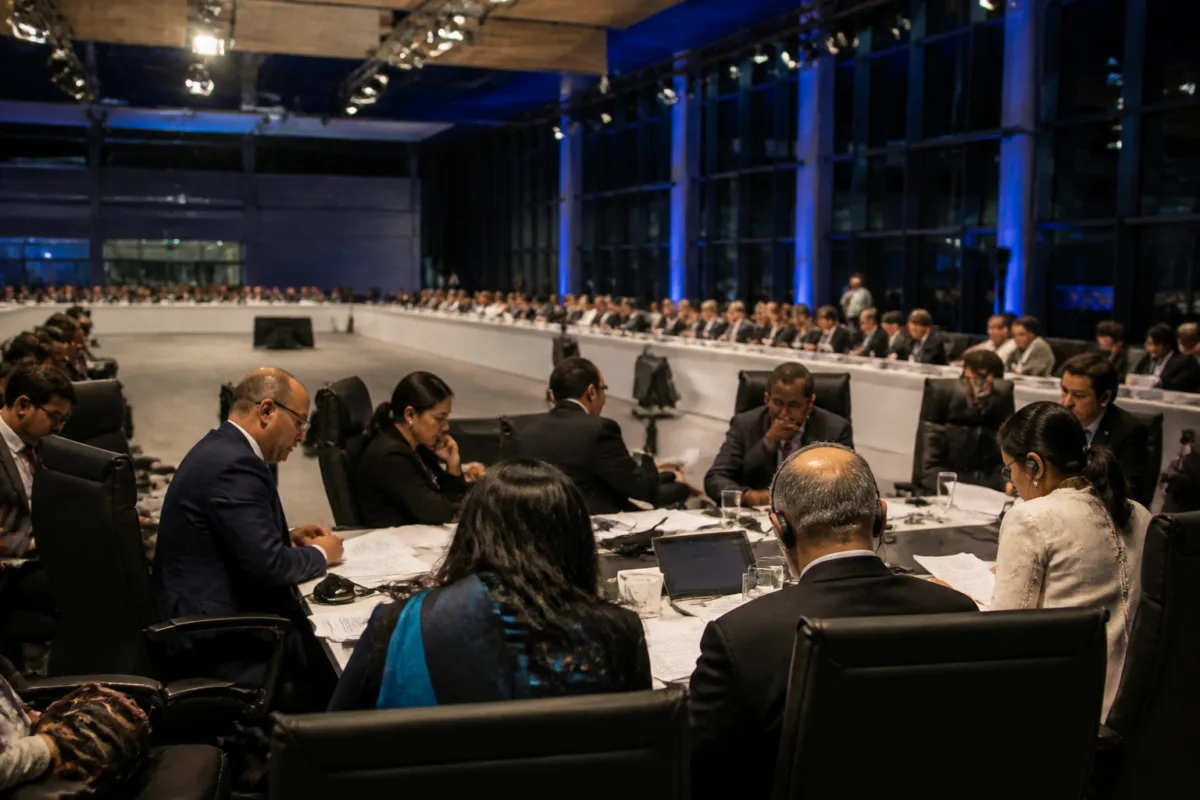
A proposed agreement at the COP31 climate talks in Antalya, Türkiye, does not include the words fossil fuels or a specific call to transition away from coal, oil and gas, despite referring to the 2023 Dubai climate accord that made such a commitment.
The draft was released in the early hours of Sunday by Turkish Environment Minister Murat Kurum, who is presiding over the two-week conference. Negotiators were given about three hours to raise objections or request changes before the text was due to go to the conference plenary.
The conference, which was scheduled to end on Friday, had entered a second period of overtime. Approval requires near-unanimous consensus. Organisers were also concerned that delegates leaving the talks could reduce attendance below the two-thirds quorum required for a vote, according to the report.
The proposed 10-page agreement refers in its opening line to the United Arab Emirates Consensus adopted in Dubai in 2023. However, the words “fossil”, “oil”, “coal” and “phase out” do not appear elsewhere in the text.
Alden Meyer, a longtime analyst with European think tank E3G, said fossil fuels had been absent from final decisions at climate conferences for more than 25 years, largely because of objections from Saudi Arabia. He said the omission would be a setback if the talks failed to signal that countries remained committed to the Dubai agreement’s call to transition away from fossil fuels.
Panama had earlier said it would formally object to any final agreement that did not cap oil production, acknowledge that existing warming limits were not being met and increase finance for countries adapting to climate impacts. Panama Environment Minister Juan Carlos Navarro accused the talks of being held hostage by a “petroleum mafia” and called for reforms, according to the report.
The draft does set a target to increase the share of total final energy consumption supplied through electrification to 35% by 2035, from about 21% currently. The measure covers changes such as shifting cars, trucks and aircraft from gas-powered systems to electricity and has been a central Turkish initiative.
Climate activists have argued that the electricity used for this transition should come only from renewable sources such as wind and solar. Bill Hare, chief executive of Climate Analytics, said electrification powered by coal and gas would not limit warming and could shift where fossil fuels are burned while locking in further emissions.
Türkiye and the head of the International Energy Agency have argued that the target can still reduce emissions because 80% of new electricity generation is expected to come from renewable sources, the report said.
The proposal also includes a target for capturing and storing 1 billion metric tonnes of carbon pollution. The measure is directed at industrial polluters and sectors considered difficult to switch to renewable energy, with captured carbon intended for underground storage.
Developing countries had sought greater clarity on a previous pledge to triple financial support for climate adaptation in poorer countries. The proposed agreement does not provide the explicit funding baseline that some countries had requested.
The text remained a proposal at the time of reporting, with objections and final approval still unresolved.

