


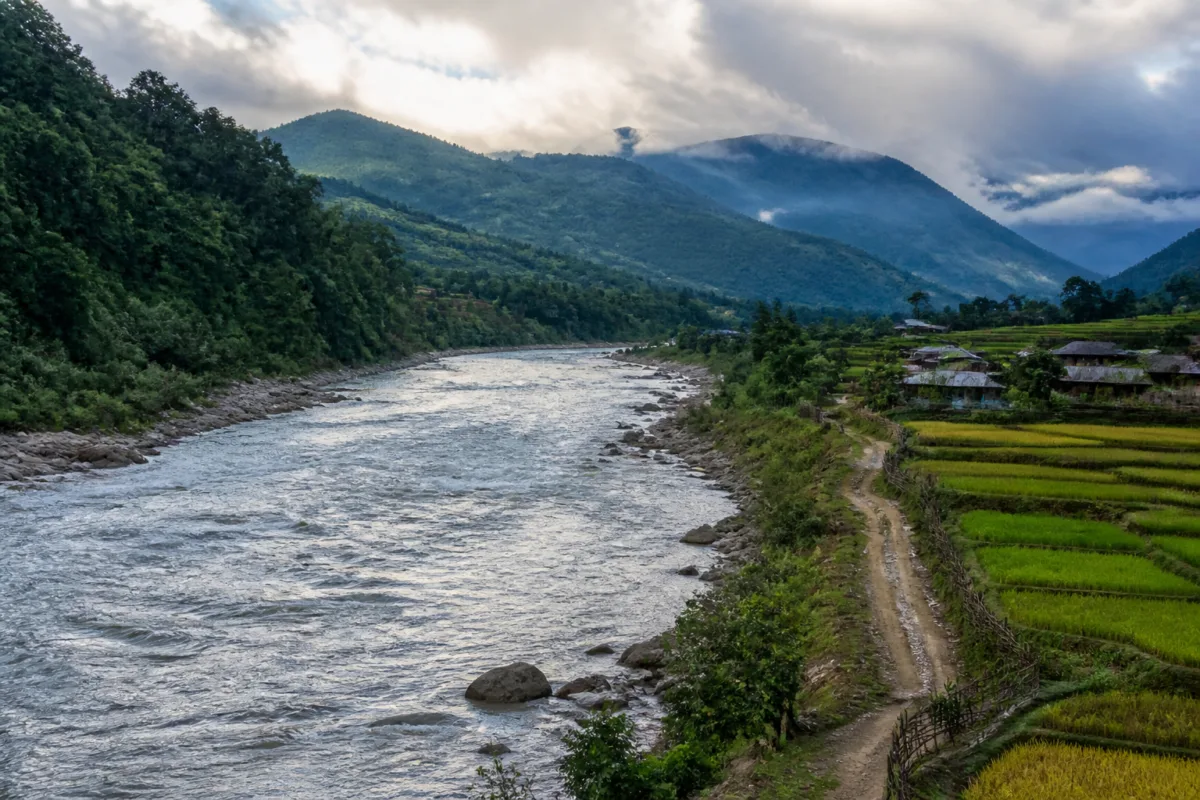
The proposed Siang Upper Multipurpose Project (SUMP) in Arunachal Pradesh faces renewed opposition from two Adi community organisations, which have petitioned Union home minister Amit Shah to scrap the 11,200-megawatt project and halt preparatory work on the Siang River.
The joint memorandum was submitted by the Adi Bane Kebang United (ABKU), described as the apex council of the Adi tribe, and the Siang Indigenous Farmers’ Forum (SIFF). It was signed by ABKU president Dijhi Tamuk and general secretary Jirbo Jamoh, along with SIFF president Nobeng Burang and general secretary Likeng Libang, according to a report by Deccan Chronicle.
The organisations said no dam should be built on the Siang River and argued that the project would affect the Adi community most directly. If executed, SUMP would be India’s biggest dam, the report said. The groups added that they were not opposed to development in principle and would consider smaller dams on the river’s tributaries.
Their objections focus on the project’s social and institutional consequences. The memorandum alleges that pre-feasibility report activities undertaken by the Arunachal Pradesh government and NHPC Limited began without adequate consultation or transparency. It also says there are no clear plans for rehabilitation, alternate farmland or the restoration of livelihoods.
The groups claim the dam concept is nearly 45 years old and was rejected twice by earlier state governments after public opposition before being revived in 2024. They have warned that at least 27 villages could be submerged, with impacts extending to additional settlements, paddy fields, orange orchards, ancestral burial grounds and river-linked cultural practices. The report does not provide an official government estimate of the number of people who could be displaced.
The memorandum also points to conflicting public statements on consent. Chief minister Pema Khandu has assured residents that no dam would be built without public approval, according to the report. However, Arunachal East MP Tapir Gao, minister Ojing Tasing and some Adi legislators have indicated that the project would proceed, the organisations said.
The groups’ concerns extend to the handling of protests. They cited reports alleging that detained anti-SUMP activists were tortured in custody and said security forces, including the Rapid Action Force and Central Armed Police Forces, had been used to intimidate opponents. These allegations were made in the memorandum and were not independently substantiated in the report.
The organisations have demanded the release of detained youths, withdrawal of first information reports and charges against protesters, an immediate halt to pre-feasibility work, and the withdrawal of security forces from Upper Siang and Siang districts. They also sought clarification of the government’s position and a judicial inquiry into an October 23 incident in Siang district involving the alleged use of tear gas and stun grenades against protesters.
The October 23 unrest reportedly included arson at NHPC premises in Pasighat and other incidents, followed by arrests and heightened security. Those events form part of the wider conflict around the project, but the central issue raised by the organisations is whether preparatory work and eventual construction can proceed without demonstrable community consent and a credible rehabilitation framework.
Shah, who was visiting Arunachal Pradesh, described the project as important for the state’s development and India’s energy security. He said the Centre would protect Adi cultural identity, rights and traditions, and that discussions would be held to build trust. He also said the project would move forward only with the confidence of the people, according to the report.
ABKU and SIFF said they were willing to negotiate with the government on equal terms, but without intimidation or the presence of armed forces, which they said could undermine trust. The dispute therefore places consultation, land and livelihood protection, cultural rights and security management alongside the project’s stated energy and development objectives.
The available report does not establish whether a final construction approval has been granted, the current status of the pre-feasibility process, or the government’s detailed rehabilitation and environmental plans. Those unresolved questions will be central to assessing whether assurances on consent can be translated into a transparent decision-making process for the Siang basin.

