


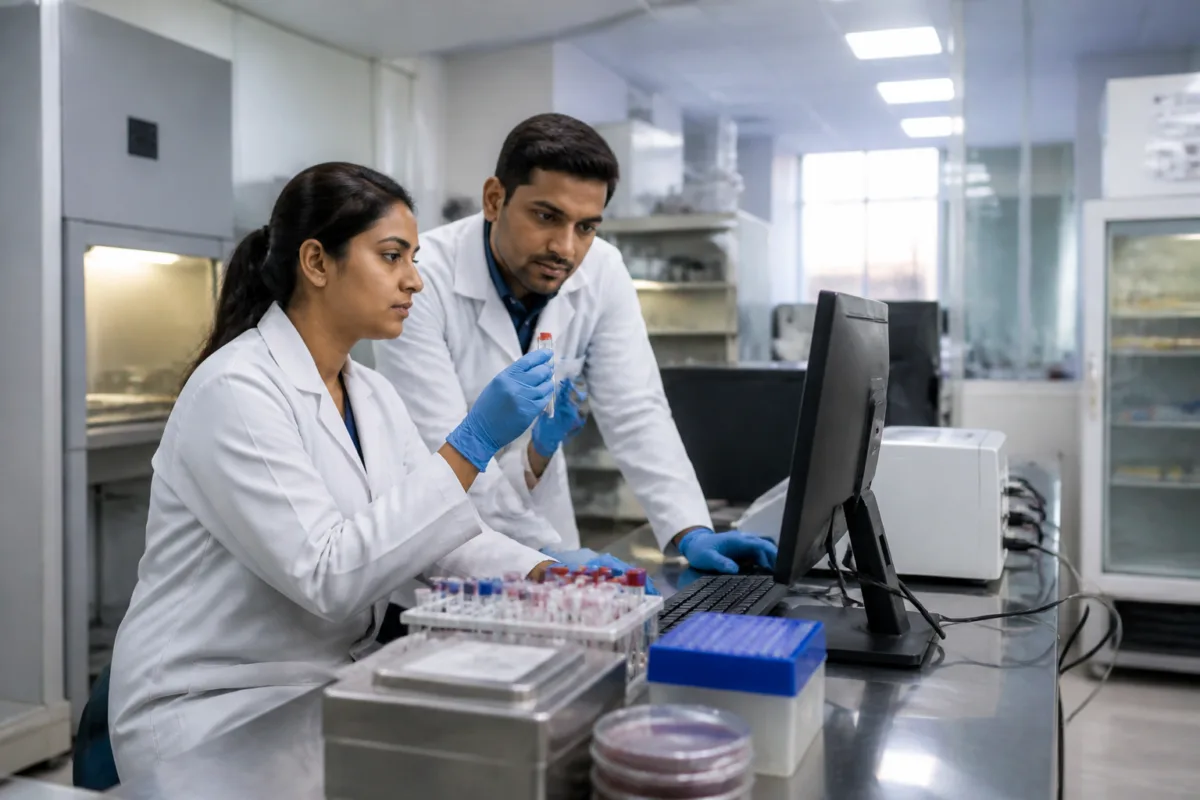
Karnataka has launched a five-year action plan to contain antimicrobial resistance, proposing tighter controls on antibiotic sales, prescription audits in hospitals and surveillance of antibiotic use in livestock and food production.
The Karnataka State Action Plan for Containment of Antimicrobial Resistance (K-SAPCAR) 2026–2030 was unveiled at a state-level workshop in Bengaluru on Thursday. The plan follows findings cited from the Karnataka AMR Surveillance Network Annual Report 2025, which found that nearly three out of four tested samples of Gram-negative bacteria were resistant to ceftriaxone. Nearly three out of four samples of Gram-positive bacteria showed resistance to ciprofloxacin.
The plan proposes stricter enforcement of the prohibition on selling antibiotics without valid prescriptions. It also calls for prescriptions to carry the registration number of the prescribing doctor, monitoring of Schedule H1 drug sales and periodic prescription audits in public and private healthcare facilities.
All hospitals, including private facilities, are proposed to establish antimicrobial stewardship programmes to support the rational use of antibiotics. Hospitals will also be encouraged to publish antibiograms every six months or annually. These reports identify which antibiotics are effective against bacteria found in a particular facility.
Reserve-category antibiotics are proposed to be limited to specified indications, with prior authorisation through hospital stewardship programmes. The plan also identifies laboratory strengthening, information management systems across public health facilities and a state-level surveillance network involving public and private institutions as priorities.
K-SAPCAR extends surveillance beyond human healthcare under a One Health approach involving human, animal and environmental health departments. It proposes regular testing of meat and egg samples for antibiotic residues, regulation of antibiotics used in animal feed for growth promotion and disease prevention, and monitoring of critically important antibiotics used in food-animal farming.
The plan also calls for monitoring antibiotic residues in sewage, water, soil and pharmaceutical waste. This expands the proposed response to include environmental pathways through which antibiotic residues and resistant organisms may circulate.
Dr Rajini M, director of the health department, highlighted the need for rational antimicrobial use, stronger laboratory and surveillance systems and coordination across sectors, according to the report.
The plan lists awareness and education, infection prevention and control, optimal antimicrobial use, research and innovation, and inter-sectoral coordination among its strategic priorities. Its impact will depend on how consistently the proposed prescription controls, hospital programmes, laboratory systems and environmental monitoring are implemented across Karnataka.

