


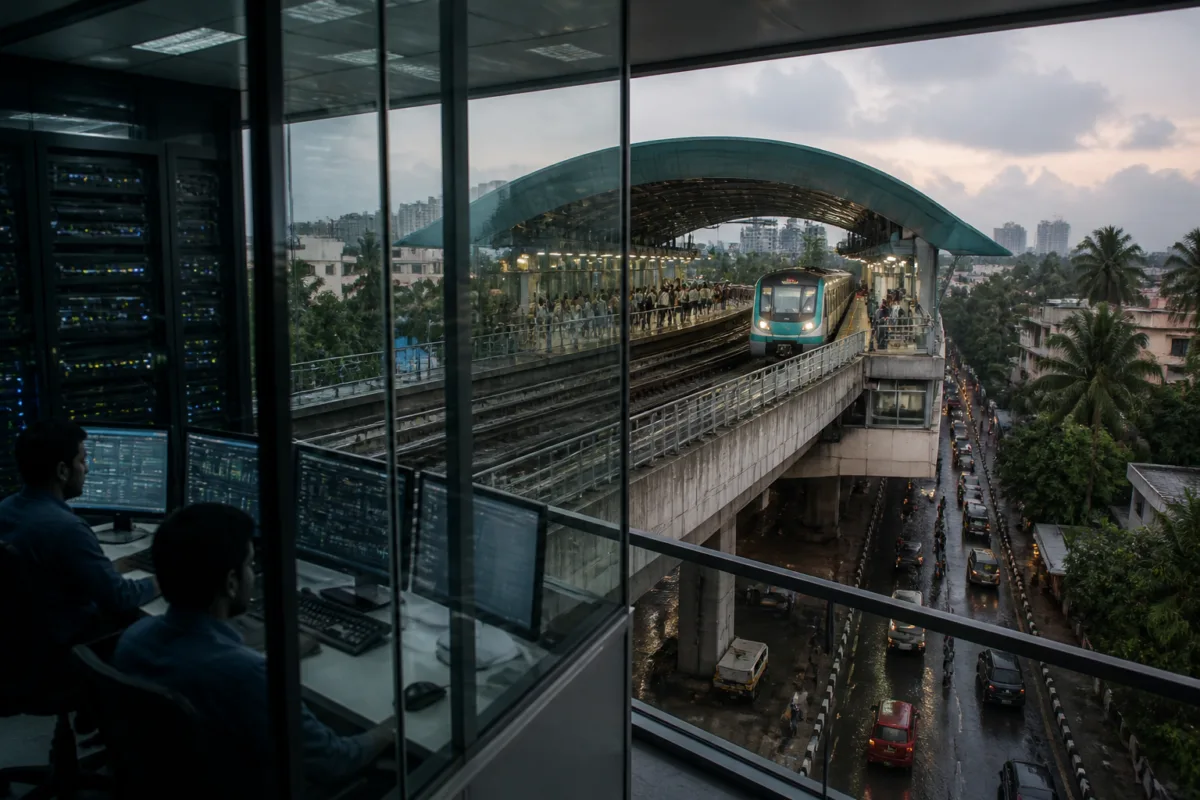
A server misconfiguration at Kochi Metro Rail Ltd (KMRL) exposed employees’ personal and financial records online, highlighting cybersecurity risks within the digital systems of urban transport institutions, according to a Times of India report.
Cybersecurity researcher Teddy N Alias discovered the vulnerability on October 23 on a server operating under a KMRL-owned domain. Directory listing had reportedly been enabled at the root level, allowing files stored on the server to be accessed publicly.
The exposed material allegedly included employee names, Permanent Account Number details, bank account numbers, Universal Account Numbers and salary breakdowns. The records reportedly covered staff members who had worked with KMRL since 2011. The report does not state how many files were accessible or establish that the information was misused.
Alias told the newspaper that he documented the vulnerability and submitted a report to the Indian Computer Emergency Response Team (CERT-In), the national agency responsible for responding to cybersecurity incidents. He later conducted a fresh check and found that the server had been secured and the data was no longer publicly exposed.
The immediate vulnerability was therefore reportedly closed, but the incident raises a broader governance issue for metro organisations that depend on interconnected information-technology systems. Employee databases, payroll platforms, official email accounts and operational technology may be managed through separate systems, but weaknesses in one part of an organisation’s digital environment can increase exposure across the institution.
Alias called for a comprehensive security audit of KMRL’s information-technology infrastructure. He specifically pointed to industrial control systems, including supervisory control and data acquisition networks used to manage critical transit operations. The report does not indicate that Kochi Metro’s train services or commuter safety were affected by the exposed employee records.
The reported vulnerability follows a separate incident cited in the article. Kochi City Police registered a case in September after KMRL complained about the alleged theft and circulation of confidential files. Unidentified individuals were accused of gaining unauthorised access to computers, printer networks and an official email account at KMRL’s Kaloor headquarters. The material allegedly included financial records, internal documents and employee details, which were later circulated in a WhatsApp group.
The two incidents, as described in the report, involve different forms of exposure: one concerned a publicly accessible server configuration, while the other involved alleged unauthorised access to internal systems and accounts. The available information does not establish whether they were connected.
For a metro operator, cybersecurity is part of infrastructure resilience even when a reported breach does not interrupt train operations. Protecting staff records, procurement information, communications and control systems requires asset inventories, restricted access, secure server configurations, timely patching, monitoring and independent audits. The report confirms that the identified server was secured after intervention, but it does not provide details of any wider audit, remedial plan or public assessment by KMRL.
The case therefore leaves unresolved whether the operator has reviewed its broader digital environment, including systems linked to critical transit functions, and what safeguards are in place to prevent similar exposures. Those questions are particularly relevant as metro agencies expand their reliance on digital platforms for administration and operations.

