


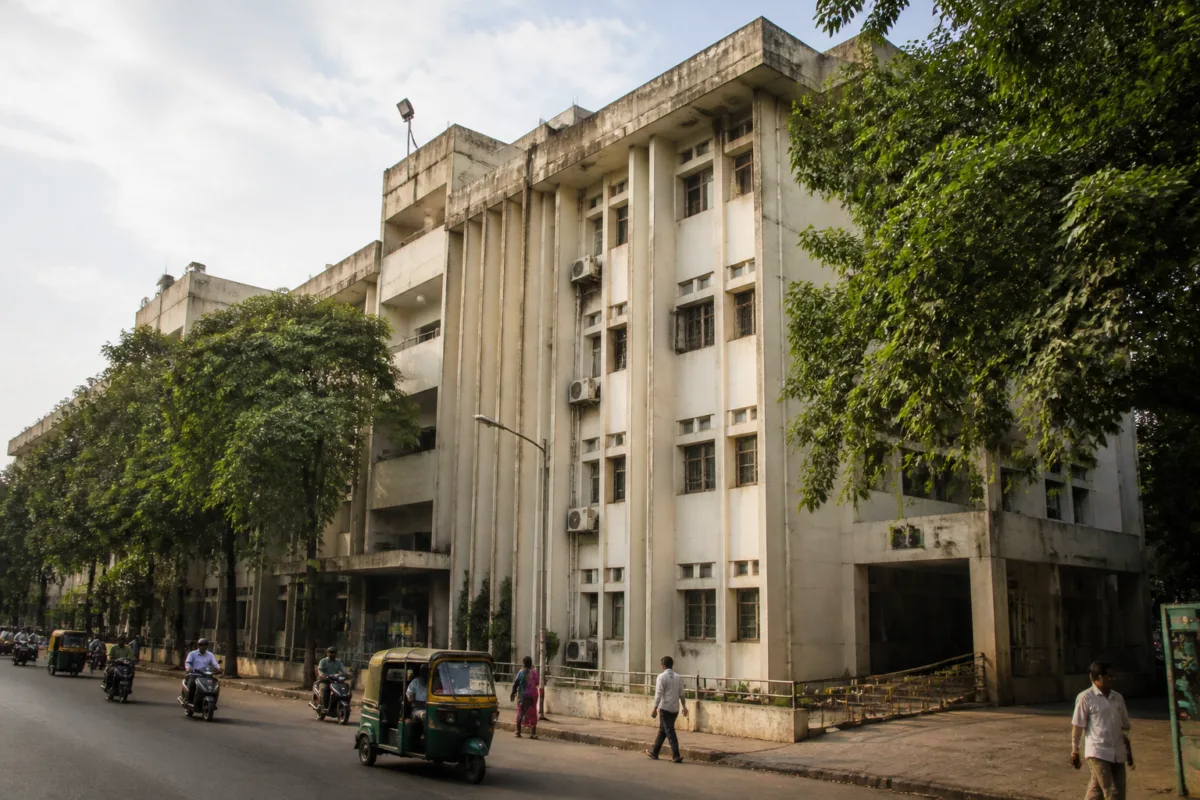
The Kakatiya Urban Development Authority’s (KUDA) shift from its existing office in Hanumakonda to Kaloji Kalakshetram at Balasamudram has opened a wider debate over how Warangal’s public buildings should be used.
The authority moved to the second and third floors of Kaloji Kalakshetram on Thursday. KUDA chairperson Gundu Sudharani and Hanumakonda district collector and KUDA vice-chairperson Chahat Bajpai inspected the new premises, after which officials began discharging their duties from the relocated office.
The old KUDA building, located on Hunter Road beside the RDO office, is now at the centre of the discussion. KUDA chief planning officer Ajit Reddy said a notification inviting e-bids for leasing the premises had been issued around six months ago. However, no final decision has been taken, and the building’s future use will be decided in consultation with the central government, he said.
According to Reddy, some parties have shown interest in leasing the property to operate a commercial taxi office. Warangal MP Kadiyam Kavya has proposed using the premises for a wellness centre instead. These proposals point to a choice between generating commercial revenue from an existing public asset and retaining the building for a public or government-related function.
The central issue is not simply whether the old KUDA building can earn lease income. It is also whether the relocation improves the delivery and accessibility of urban development services, and whether the government has examined other uses for a building that is already located in a central area.
The source report notes that several important government offices across the erstwhile Warangal district continue to operate from rented premises. The government consequently pays monthly rent to private property owners. If suitable government-owned buildings are available, their use by public offices could reduce that rental burden, although no comparative assessment or financial figures have been provided in relation to the KUDA building.
The building’s location and existing infrastructure are important considerations in that debate. A centrally placed office may be easier for residents to reach, particularly when public services require repeated visits or coordination between departments. At the same time, leasing the property could provide revenue, depending on the terms and value eventually approved. The available report does not state the expected lease amount, the duration of any proposed lease or the conditions attached to the e-bidding process.
The administrative reason for moving KUDA to Kaloji Kalakshetram has also not been publicly detailed in the source material. Nor does the report establish whether an assessment was conducted comparing the costs and benefits of retaining the authority at Hunter Road, moving it to the new premises or allocating the old building to another government department.
Those gaps matter because public buildings are created and maintained through public funds. A commercial lease can be a legitimate option for an underused property, but the decision needs to be weighed against service access, the government’s existing rental expenditure and the suitability of the building for other public functions.
For now, the old KUDA building remains without a finalised use. The e-bidding notification indicates that commercial leasing has been considered, while the proposal for a wellness centre and the reported shortage of government office space present alternative public-interest possibilities. The eventual decision will determine whether the property is treated primarily as a revenue-generating asset or as part of Warangal’s wider public infrastructure.

