


The COP31 electrification target is facing resistance from developing countries after a revised cover-decision draft retained a proposal to raise electricity’s share of global final energy consumption to 35 per cent by 2035, while removing references to transitioning away from fossil fuels.
The nine-page draft, released on November 19 during the UN climate conference in Antalya, Türkiye, also leaves the financial scale of adaptation support unresolved. It retains a call to at least triple adaptation finance by 2035 but drops an earlier proposal for US$120 billion a year and does not specify the baseline against which the increase would be measured.
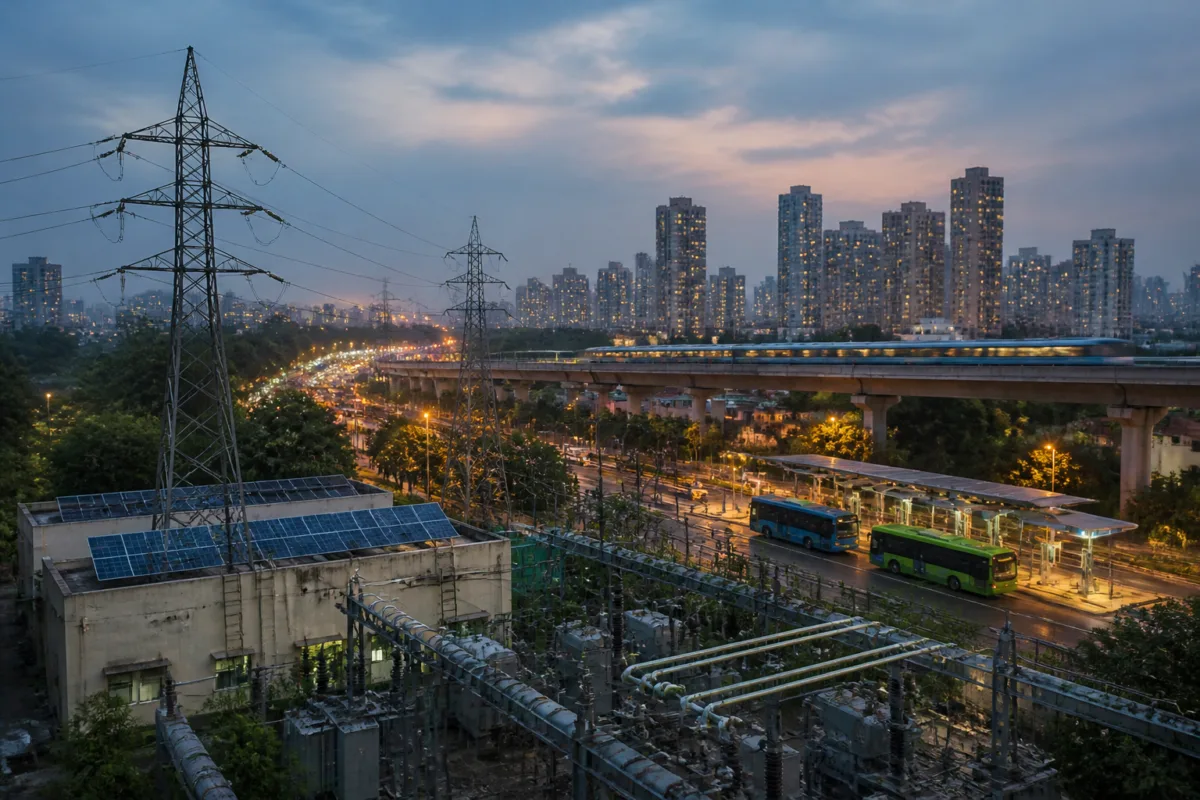
The combination of an electricity target and uncertain finance has significance for cities and infrastructure systems. Meeting higher electricity demand would require investment in clean generation, transmission and distribution networks, storage, system flexibility and energy-efficient buildings. Without clarity on funding and the energy sources behind that additional electricity, the target could expand demand without resolving the emissions and resilience problems it is intended to address.
The revised text calls for global cooperation to accelerate the transition towards low greenhouse gas emissions and climate resilience, while recognising that countries will follow different pathways based on their national circumstances and development priorities. Its proposed measures include clean energy systems, increased electrification, early warning systems, climate-risk monitoring, methane reductions, forest and ocean protection, and carbon capture and carbon dioxide removal.
Paragraph 36(d) proposes increasing electricity’s share of global final energy consumption to 35 per cent by 2035. The proposal appears alongside calls to triple global renewable energy capacity and double the global average annual rate of energy-efficiency improvements by 2030, as well as investment in storage, modern electricity grids and system flexibility.
Unlike the earlier version, the revised draft does not explicitly describe the 35-by-35 target as voluntary. It places the target within a broader call for global cooperation but also allows countries to follow different approaches according to national circumstances and development priorities.
The text does not refer to transitioning away from fossil fuels or to the roadmap developed under Brazil’s COP30 Presidency. The earlier draft had included language on accelerating the phaseout of fossil fuels and implementing the COP28 commitment to transition away from fossil fuels in energy systems. The revised version continues to refer to keeping the 1.5°C temperature goal within reach and pursuing deep, rapid and sustained emissions reductions, but does not identify how fossil-fuel dependence should be addressed.
That omission has raised concerns among climate groups and countries seeking stronger language on fossil-fuel production and consumption. The draft includes carbon capture, utilisation and storage and carbon dioxide removal, while stating that removal should complement, rather than replace or delay, deep emissions reductions.
The financing question is similarly unresolved. The draft asks the Standing Committee on Finance, the UN climate convention’s technical body on climate finance, to prepare a report on options for establishing a baseline. It also proposes discussing an implementation pathway for tripling adaptation finance under the Climate Finance Work Programme.
The earlier draft had proposed US$120 billion a year by 2035. Developing countries have sought clarity on the baseline, milestones and mechanisms for tracking the commitment, while developed countries have resisted accepting a specific financial obligation in the cover decision, according to the report.
The text proposes an Antalya-to-Addis Ababa Roadmap on Adaptation and Resilience Finance under the guidance of the COP31 and COP32 presidencies. The initiative would examine predictable and scaled-up sources of adaptation finance, including support for loss and damage. The presidencies would report on the work for consideration in 2027.
For urban areas, the unresolved issue is not simply whether electricity use should grow. Electrification of transport, buildings, cooling, industry and municipal services depends on the availability and reliability of power networks. It also requires investment in generation capacity, distribution upgrades, storage and end-use technologies. The EU has linked its support for the 35-by-35 pledge to clean electricity generation, infrastructure and end-use technologies, describing electrification as a driver of energy security, competitiveness and decarbonisation.
India has taken a different position on how such a target should be adopted. Ahead of the summit, Union Environment Minister Bhupender Yadav said India had not decided whether to endorse the pledge. He stressed that climate action should reflect equity, the principle of Common but Differentiated Responsibilities and Respective Capabilities, national sovereignty, development priorities and poverty-eradication programmes.
In India’s national statement at COP31 on November 18, Yadav called on developed countries to fulfil their climate-finance obligations. He said developing countries should not carry the burden of historical emissions in the name of greater ambition. India has also supported a Party-driven approach to the Global Stocktake and continuation of the Just Transition Work Programme.
The Like-Minded Developing Countries negotiating group, which includes India, China, Egypt and Saudi Arabia, has opposed incorporating the electrification pledge into the cover decision. The group has argued that new mandates and targets should not prescribe national energy pathways without accounting for differing development needs and national circumstances.
Its objection, as described in the report, is not to electrification itself but to placing a global target in a negotiated decision without accompanying finance and flexibility. Developing countries have pointed to the cost of expanding generation, grids and storage, and have called for predictable and affordable support.
Panama has separately warned that it will not join consensus on a final decision unless the outcome addresses its demands on climate science, fossil-fuel production, finance and electrification. In a November 19 open letter to COP31 president Murat Kurum and president of negotiations Chris Bowen, Panama’s environment minister Juan Carlos Navarro said the country would formally object in the closing plenary to an outcome that did not meet its principles and values.
Panama’s conditions include recognition of Intergovernmental Panel on Climate Change findings, acknowledgement of the gap between current emissions trajectories and the 1.5°C limit, and action on the consensus-based decision-making process. On energy, it has called for global oil production to be capped at current levels as a first verifiable step towards transitioning away from fossil fuels, alongside action to eliminate methane emissions.
Panama supports electrification only when it is based on renewable energy and has called for special funding from major polluters, carbon emitters and petroleum producers. Its position underscores the central dispute in the draft: whether electrification can be treated as a headline measure without equally clear commitments on energy sources, fossil fuels and finance.
Negotiations were continuing ahead of the scheduled close of COP31 on November 20. The final decision will determine whether the 35-by-35 proposal remains in the negotiated text, how its voluntary or non-voluntary character is defined, and whether finance and implementation conditions are made sufficiently clear for countries expected to build the infrastructure needed to deliver it.

