


Andhra Pradesh has intensified cyclone preparedness across coastal and vulnerable districts, with Chief Minister N. Chandrababu Naidu directing officials to protect residents and property as heavy rain and strong winds are expected on Thursday and Friday. Deputy Chief Minister Pawan Kalyan separately placed rural development and water-supply departments on high alert and ordered preparations for evacuations, relief camps and infrastructure restoration.
During a teleconference with officials on Tuesday, Naidu sought details about the movement and intensity of Cyclone Akvan. Officials said the system was moving at 3km per hour and that its intensity would become clearer by Tuesday night. RTGS officials warned that it could intensify into a severe cyclone.
The cyclonic formation was reported to be centred 610km from Chennai, 660km from Machilipatnam, 670km from Visakhapatnam and 79km from Gopalpur in Odisha. The report said the system was expected to bring heavy rainfall and strong winds to Andhra Pradesh as it crossed the coast.
Naidu directed district administrations to minimise the impact on people through timely preparedness and coordinated action. Officials were asked to issue continuous weather alerts, especially in vulnerable areas, and use Swarna Grama and Swarna Ward personnel to communicate warnings directly to residents.
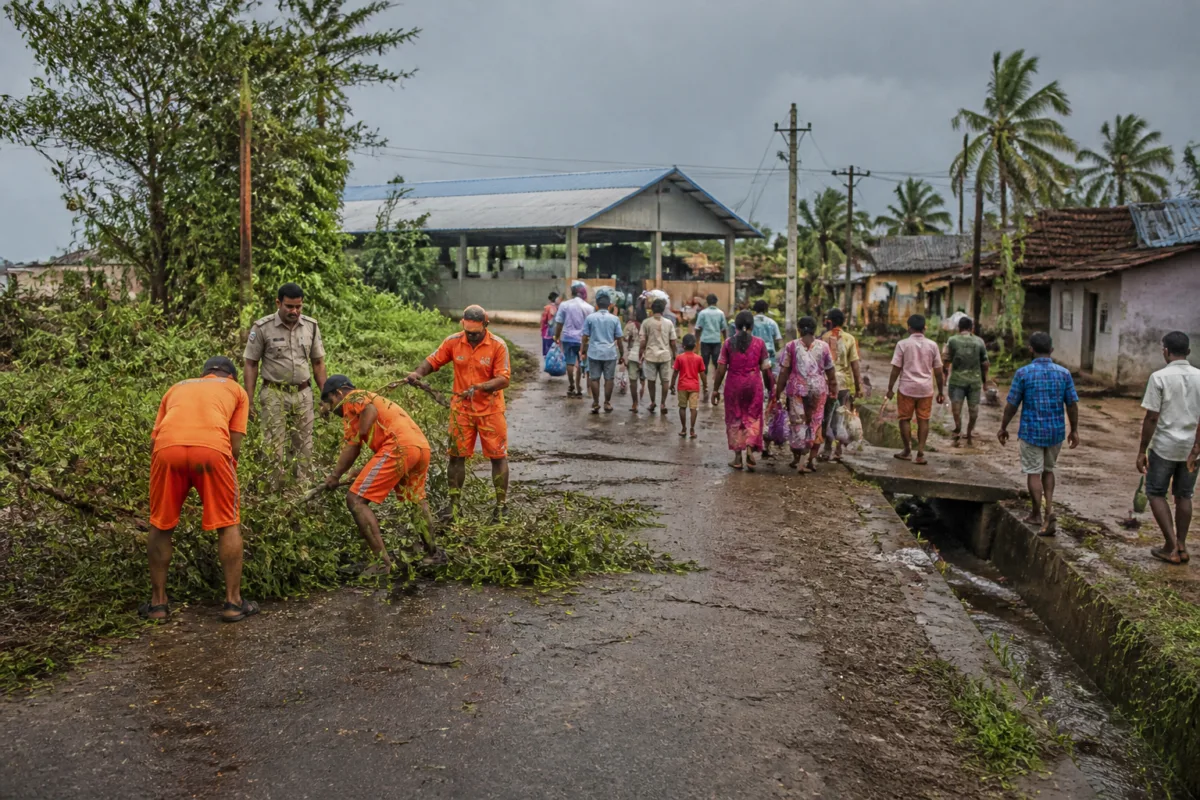
The Chief Minister also ordered special precautions to prevent fishermen from venturing into the sea. Departments were instructed to immediately clear fallen trees and electricity poles, restore essential services and conduct rescue and rehabilitation operations based on real-time assessments. Preventive measures were also ordered to avoid breaches in tanks and canals during heavy rainfall.
Pawan Kalyan directed officials from the Panchayat Raj, rural development and rural water supply departments to remain fully prepared in districts under red alert. He asked the administration to move people from coastal and low-lying areas to safer locations and establish relief camps with adequate food and drinking water.
The Deputy Chief Minister referred to the impact of two earlier cyclones, identified in the report as Arnab and Murasu, which struck the Andhra Pradesh coast within a month. Although timely precautionary measures prevented loss of lives, crops and property suffered extensive damage. Nearly 520km of rural roads were damaged, and officials were instructed to restore them promptly.
The directions include clearing fallen trees from roads, repairing damaged road surfaces, preventing rainwater stagnation in low-lying villages and maintaining sanitation. The immediate response will depend on the cyclone’s subsequent movement and intensity, with district administrations expected to continue monitoring conditions and act on real-time assessments.

