


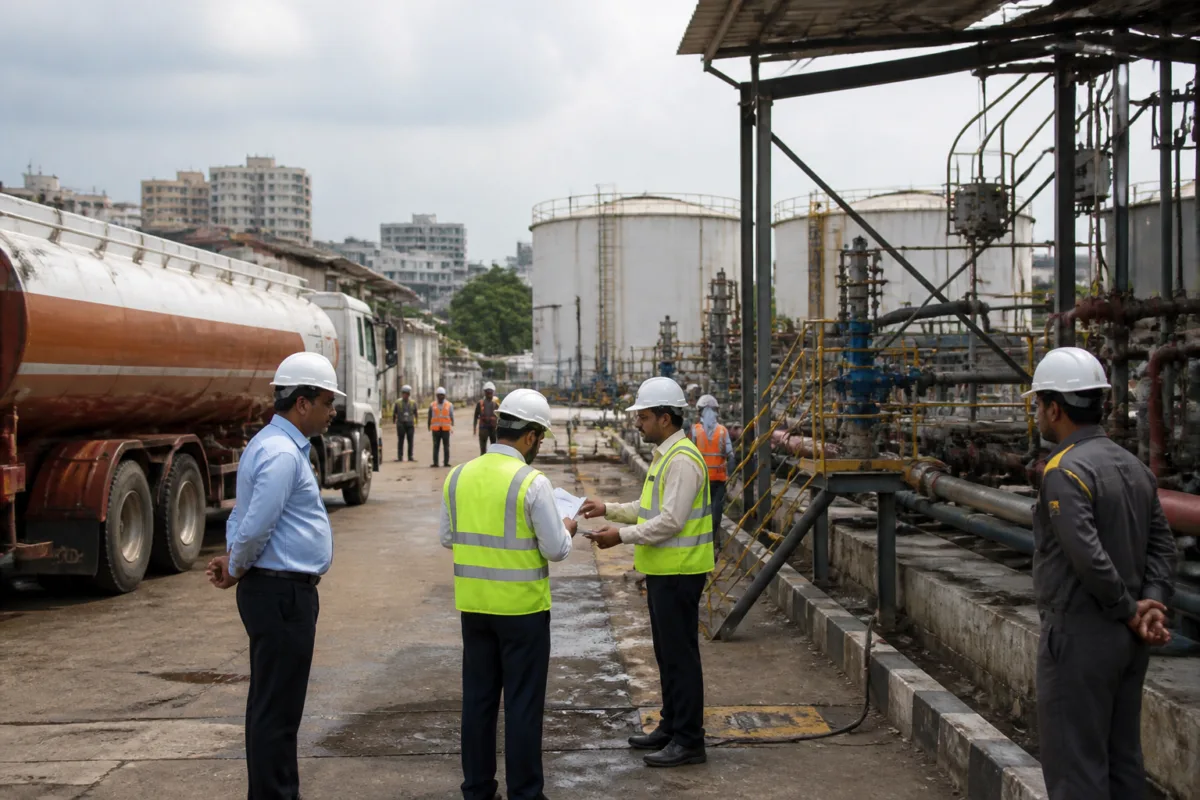
Karnataka minister Rizwan Arshad said the state would submit a report to the Union petroleum ministry on November 17 after inspections allegedly found ethanol blended into petrol at around 30% across six terminals, raising concerns about vehicle mileage, engine maintenance costs and fuel distribution controls.
Speaking to reporters in Mysuru on November 16, Arshad said the report would include the quantities detected at different locations, test results, inspection details and supporting documents. He said the material would also be released to the media.
The minister said samples collected from all six terminals, including facilities in Bengaluru, near Mangaluru and near Dharwad, indicated that petrol had been blended with about 30% ethanol. The source report did not identify the individual terminals, provide the test dates or publish the laboratory reports.
Arshad placed the alleged blending at fuel terminals rather than petrol pumps. He said oil marketing companies had responded as though the issue involved irregularities at some petrol stations, but argued that petrol pump operators would not undertake ethanol blending because ethanol is expensive. He added that kerosene adulteration at retail outlets would be a separate issue.
According to the minister, excessive ethanol blending could reduce vehicle mileage and accelerate engine damage, requiring owners to spend more on repairs. He said the alleged practice was causing financial difficulty for ordinary consumers and was also affecting petrol pump owners through possible losses.
Ethanol blending is part of the fuel supply chain before petrol reaches retail outlets, making terminal-level testing and documentation important to establishing where and at what concentration blending takes place. The account supplied by Prajavani does not include a response from the Union petroleum ministry, oil marketing companies, terminal operators or an independent laboratory confirming the minister’s claims.
Arshad said the state government would seek action from the Centre to stop what he described as illegal blending. If central authorities did not act, he said Karnataka would examine what legal measures could be taken within the state’s jurisdiction after consulting experts.
The minister also rejected a possible link between the ethanol issue and recent public debates over milk and curd prices and Karnataka State Road Transport Corporation bus fares. He said officials had been instructed to conduct the inspections much earlier and that the findings were released only after the reports were received.
The proposed submission to the Union petroleum minister is the next formal step identified in the report. Further action will depend on the report’s test data, the Centre’s response and any independent examination of the samples and terminal records.

