


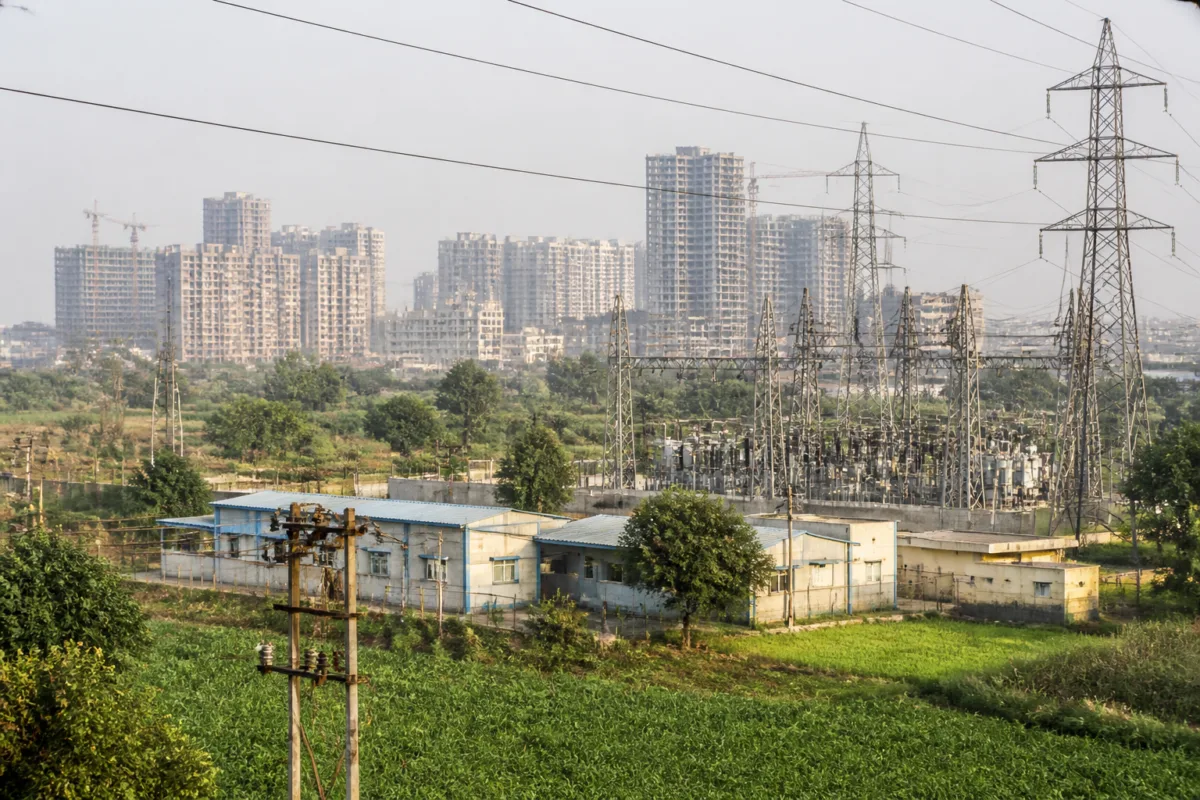
Eleven Power has proposed investing Rs 4,716.73 crore over five years to build an independent electricity distribution network across Gurugram and Nuh, a plan that could introduce a second distribution option alongside Dakshin Haryana Bijli Vitran Nigam (DHBVN), subject to regulatory approvals and network availability.
The proposed system would operate under Haryana’s parallel distribution framework. If approved and implemented, consumers in areas covered by the new network would be able to choose between electricity distributors where the infrastructure is available. DHBVN would continue serving its existing consumers under the arrangement.
Eleven Power’s proposed network is intended to serve rising electricity demand from residential, commercial, industrial and agricultural users in the two districts. The company said funding for the first phase of infrastructure development was already in place, although the report did not specify the phase’s cost, construction schedule or the locations where the initial network would be built.
The plan places regulatory approval at the centre of implementation. Electricity tariffs would continue to be determined by the Haryana Electricity Regulatory Commission, meaning the proposed private distribution network would not independently set consumer tariffs. The company has also said that the parallel arrangement would not result in job losses among DHBVN employees.
Eleven Power said its electricity procurement strategy would include a significant share of renewable energy, including firm and dispatchable sources, alongside conventional power. The stated objective is to support reliable supply while meeting demand from multiple user groups. The report did not provide details of the proposed generation contracts, renewable capacity, procurement prices or the network’s planned distribution capacity.
The investment proposal comes as Gurugram and Nuh face different but interconnected infrastructure requirements. Gurugram’s residential, commercial and industrial activity creates concentrated demand, while Nuh’s distribution needs include agricultural and other users spread across a wider geography. The proposed network would therefore have to address both the expansion of supply infrastructure and the operational requirements of serving varied consumer categories.
The parallel distribution model also makes network availability a crucial condition for consumer choice. Consumers could exercise that choice only in areas where Eleven Power’s infrastructure is established and authorised to operate. Until then, existing service arrangements with DHBVN would remain relevant for consumers in the two districts.
The proposal also marks Eleven Group Chairman Sunil Sachdeva’s return to the power sector. According to the report, Sachdeva began his career in the sector in the mid-1980s. The next formal milestones for the project are the required regulatory approvals and the development of the first phase of the proposed distribution infrastructure.

