


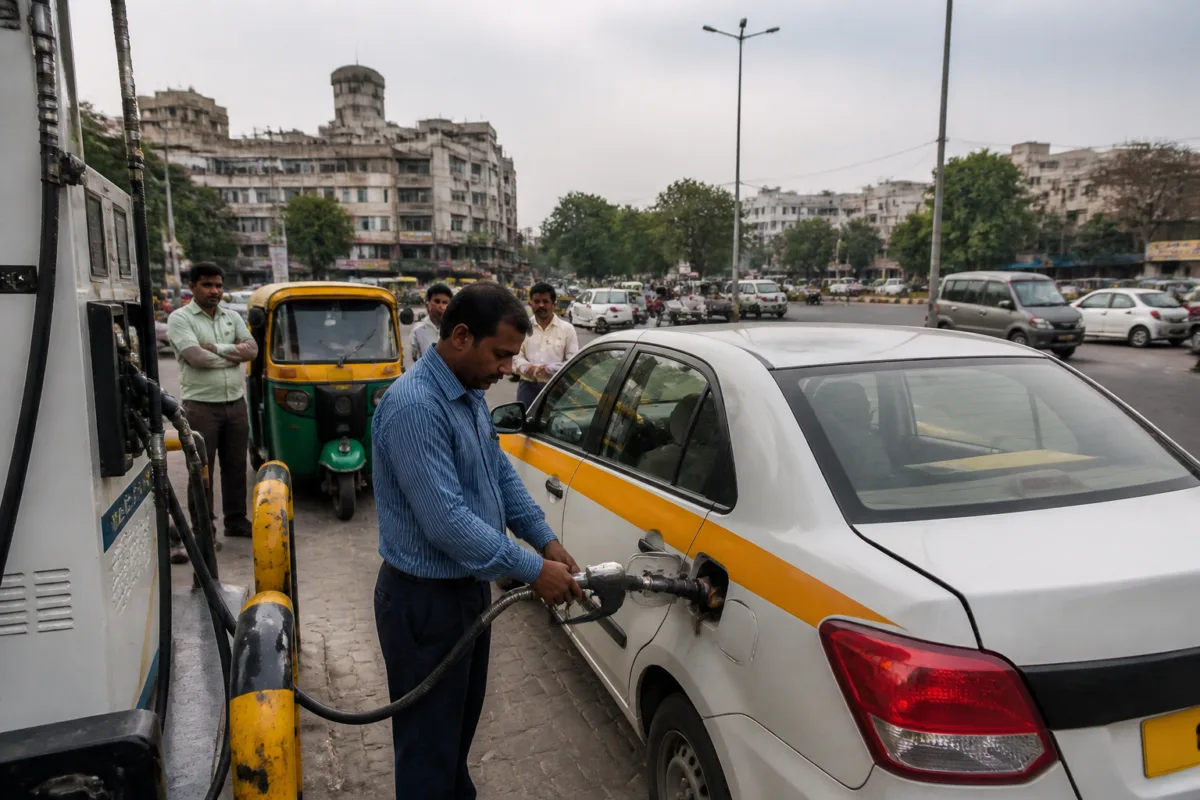
Gujarat Energy has increased the price of compressed natural gas by ₹5 per kilogram, taking the rate from ₹88.76 to ₹93.76 per kilogram and adding to transport costs for motorists across the areas supplied by the company.
The revised price was reported by Gujarat Samachar on November 15, 2026, based on rates announced by Gujarat Energy. The report did not specify the exact time at which the new price became effective or list the cities and stations covered by the revision.
CNG is widely used by private vehicle owners as well as taxis and auto-rickshaws. The increase therefore directly raises the operating cost of vehicles that depend on the fuel. Any change in fares for taxis or auto-rickshaws would require decisions by the relevant operators or authorities; Gujarat Samachar reported that higher CNG costs could put pressure on passenger fares, but did not report any fare revision alongside the price announcement.
The latest increase comes after a separate series of price revisions by Adani, another CNG supplier in Gujarat. According to the report, Adani raised its CNG price by ₹2.30 per kilogram on November 5, taking the rate above ₹100 per kilogram to ₹100.77. Before that, on October 23, the company had increased the price by more than ₹4 per kilogram, taking it to ₹98.47.
The different rates reflect the presence of more than one city gas distributor in Gujarat. The price paid by a consumer depends on the supplier operating the relevant network and the rate notified by that company. Gujarat Energy’s latest revision and Adani’s earlier increases therefore do not represent a single statewide price announced by one authority.
For daily commuters, the immediate effect is an increase in the cost of each CNG refill. The impact on monthly transport spending will depend on the vehicle’s fuel efficiency, the distance travelled and the local price applicable at the dispensing station. Commercial drivers may face a larger operating-cost effect because fuel is a recurring business expense.
The reported changes also bring the relationship between fuel prices and urban mobility into focus. In cities where taxis and auto-rickshaws provide first- and last-mile connections, fuel costs are one component of the fare structure. However, the report supplied by Gujarat Samachar contains no announcement from a transport authority, taxi association or auto-rickshaw body confirming revised fares.
Gujarat Energy’s new rate of ₹93.76 per kilogram is the confirmed price cited in the report. The company’s announcement, the effective date of the revised rate and any response from transport operators or regulators were not included in the supplied material.

