


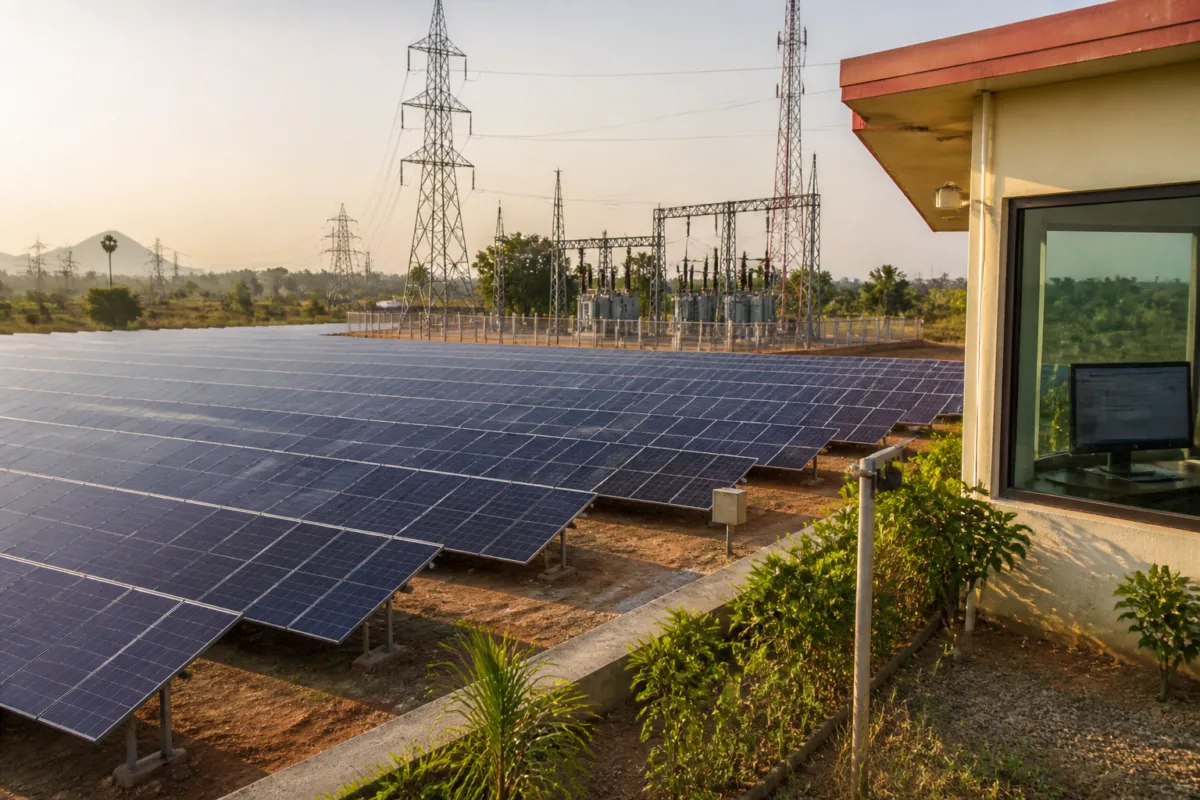
Tamil Nadu has received applications from 108 investors to set up solar power plants with a combined proposed capacity of 3,410 MW in the 10 days since the state introduced an online application facility for renewable-energy projects, according to a report by Dinamalar.
The applications were submitted through the website of the Tamil Nadu Green Energy Corporation, a subsidiary of the Tamil Nadu Electricity Board. The new portal allows investors to apply for approval for solar and wind power projects, as well as battery energy-storage systems.
Applicants can upload documents, pay fees and complete other procedures through the online system. The facility was introduced alongside the Tamil Nadu Battery Storage–2026 policy, which was released by the electricity board on November 3. The policy seeks to encourage the storage of renewable electricity in batteries for later use.
Earlier, applications for approval were received through a paper-based process at the office of the chief engineer of the Non-Conventional Electricity division at the electricity board headquarters. The report said representatives of companies regularly gathered at the office under that system.
Dinamalar also reported allegations that applicants considered close to those in power were given priority in the approval process. It said some investors who were affected by the earlier system moved their proposed investments to other states, including Gujarat. These claims are presented in the report and were not independently verified in the supplied material.
The report said approvals for power projects had stopped after a change in government in May. The subsequent introduction of a digital application channel has now brought a response from renewable-energy investors, with the first 10-day application count reaching 108 projects and 3,410 MW of proposed solar capacity.
The online process is significant because renewable-energy projects require coordination between project developers, the electricity utility and the state agency responsible for granting permissions. Moving document submission and fee payment online creates a digital record of applications and reduces the need for companies to physically visit the electricity board headquarters. The extent to which this will shorten approval timelines or improve project execution was not stated in the report.
A power-board official quoted by Dinamalar said that accepting applications through the website would help provide investors with simpler and more transparent services. The report did not provide details on the locations of the proposed plants, their expected commissioning dates, grid-connection arrangements or the status of individual applications.
The immediate figure indicates strong investor interest in Tamil Nadu’s solar sector after the online facility became available. Further progress will depend on how the applications are evaluated, how approvals are issued and whether the proposed capacity is ultimately connected to the state’s electricity network.

