


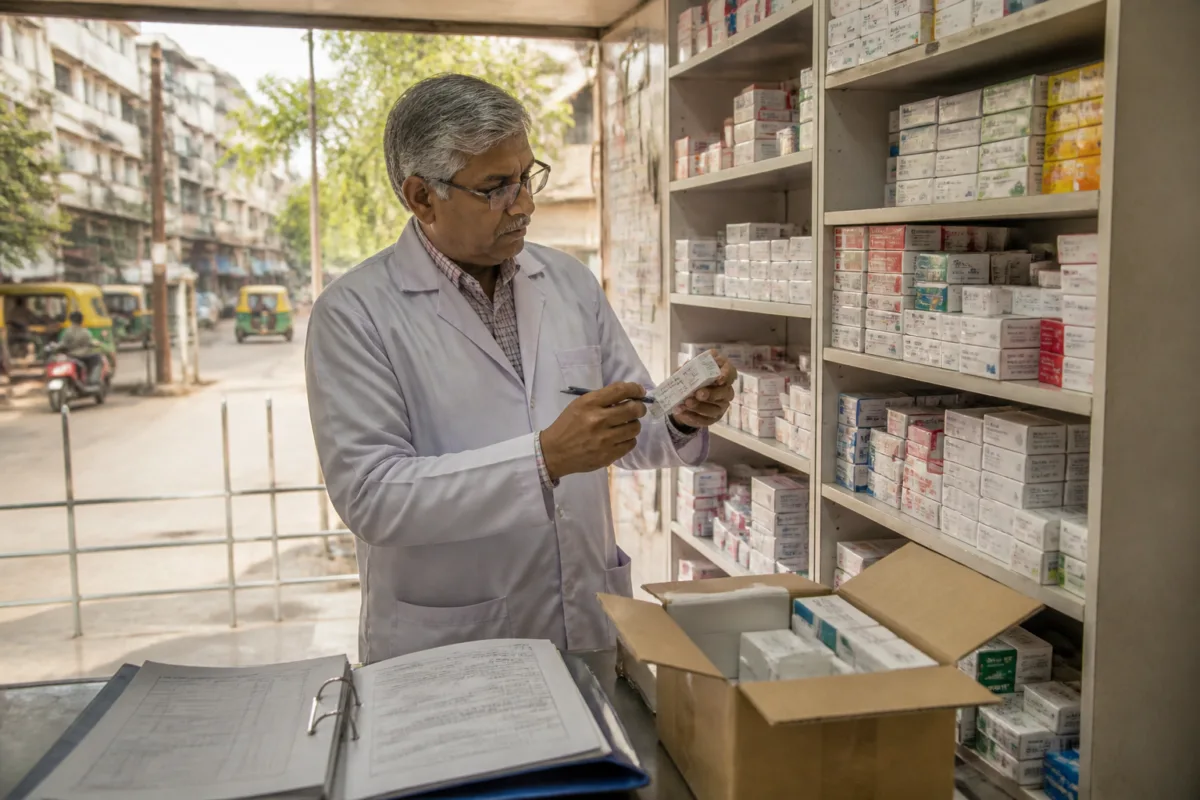
Janaushadhi centres in Bengaluru could face legal action if they sell branded medicines or fail quality checks, Karnataka Health Minister U.T. Khader said while responding to questions about the functioning of the outlets. He said inspections had found that several centres were selling medicines other than those permitted under the scheme.
Khader said Janaushadhi centres were not allowed to sell branded medicines and warned that action would be taken if violations were found or if the quality of medicines supplied through the centres was deficient. His comments place compliance and medicine quality at the centre of the state’s scrutiny of the affordable-medicine network.
According to the minister, the Union government must monitor whether Janaushadhi centres follow the applicable rules and sell only permitted medicines. He also said the government must ensure that quality medicines are supplied to the centres.
The checks will include details of the manufacturers of medicines available at the outlets, quality certificates, batch numbers and the supply chain through which the medicines reached the centres, Khader said. These records are intended to help authorities identify the source of medicines and examine whether they meet the required quality standards.
The minister said action would be taken against the concerned companies and suppliers if deficiencies in quality were detected. The warning therefore covers both the retail outlets and the entities involved in manufacturing and supplying the medicines.
Janaushadhi centres are intended to provide medicines at affordable prices, making compliance important for residents who depend on them for lower-cost treatment. The minister’s remarks indicate that the immediate regulatory focus in Bengaluru is on preventing the sale of unauthorised medicines and establishing traceability from the manufacturer to the outlet.
The report did not specify the number of centres inspected, the medicines allegedly sold in violation of the rules, or any penalties already imposed. Further action will depend on the verification of manufacturer records, quality certificates, batch details and supply-chain information, as well as the findings of the authorities’ checks.

