


Claims that Tamil Nadu legislators were asked to sign blank papers during a meeting with Chief Minister Vijay have raised questions about internal government controls, but the central allegation has not been independently verified. The report does not include an official statement from the chief minister’s office, the legislators concerned or the ruling party confirming that the papers were intended as resignation letters.
According to Dinamalar, ministers and legislators of the Tamilaga Vettri Kazhagam government were called to a private hotel near Mamallapuram after a series of controversies involving some members of the administration. The meeting was reportedly held to warn legislators against conduct that could damage the government and to address concerns about political approaches by opposition parties.
The report says attendees were asked to sign blank sheets before or during the meeting. It attributes the explanation to unnamed legislators, who said the signatures could be used to prepare resignation letters if members acted against the party or government. The report does not publish copies of the documents or identify the officials who allegedly collected the signatures.
Several legislators reportedly raised concerns that district collectors and other officials were not giving them adequate attention during government events. The chief minister is said to have heard their complaints and separately spoken to members who had been involved in controversies. The report also says that some legislators were absent because of travel, medical treatment or other engagements.
Dinamalar further reports that the director general of police and the intelligence inspector general met the chief minister separately and submitted an assessment of the legislators’ activities during the government’s first six months. The report attributes to that assessment allegations that some legislators were in contact with former ministers of opposition parties, had acquired expensive vehicles and sought commissions from contractors working on water resources and rural development projects.
Those allegations are serious but remain unsubstantiated in the material available for this report. No intelligence document, police statement, complaint, contract record or response from the legislators named or implicated has been provided. The report also does not establish whether any formal investigation, disciplinary action or criminal case has begun.
The account describes confusion around the meeting arrangements. Some legislators who arrived early were reportedly not allowed into the hotel, while more than 20 allegedly went to the residence of the ruling party’s general secretary after hearing that discussions would take place there. They were later directed to the hotel, according to the report.
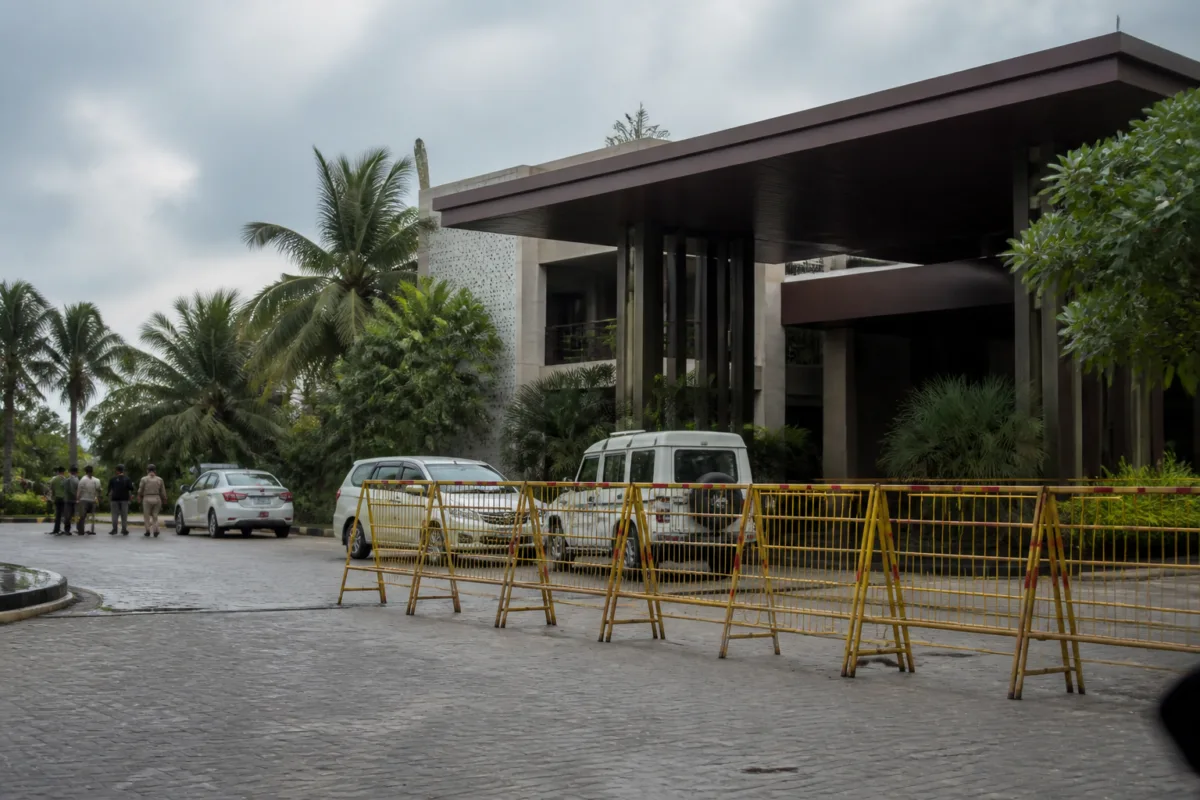
The presence and role of government engineering and fire-service officials also remain unclear. The report says public works officials went to the hotel to arrange stage, sound, lighting and barricading facilities for the meeting, but were turned away by party administrators. It also says fire-service officials were not allowed inside and that additional barricades were installed because the hotel’s compound wall was low. The report does not clarify whether the meeting was an official government event or a party gathering, an important distinction for determining the role of public agencies and the use of public resources.
The wider governance question is therefore not only whether resignation letters were collected, but also how political meetings involving ministers and legislators are organised, documented and secured; whether public officials are involved in party events; and what formal process applies when elected representatives face allegations of misconduct. These questions cannot be answered conclusively from the supplied report alone.
Dinamalar’s report was published on November 12, 2026. As of the material supplied, there is no official confirmation from the Tamil Nadu government, the ruling party, the police leadership or the legislators concerned regarding the alleged resignation letters or the corruption-related claims. Any further publication should be updated if documentary evidence, an official statement or responses from the affected legislators become available.

