


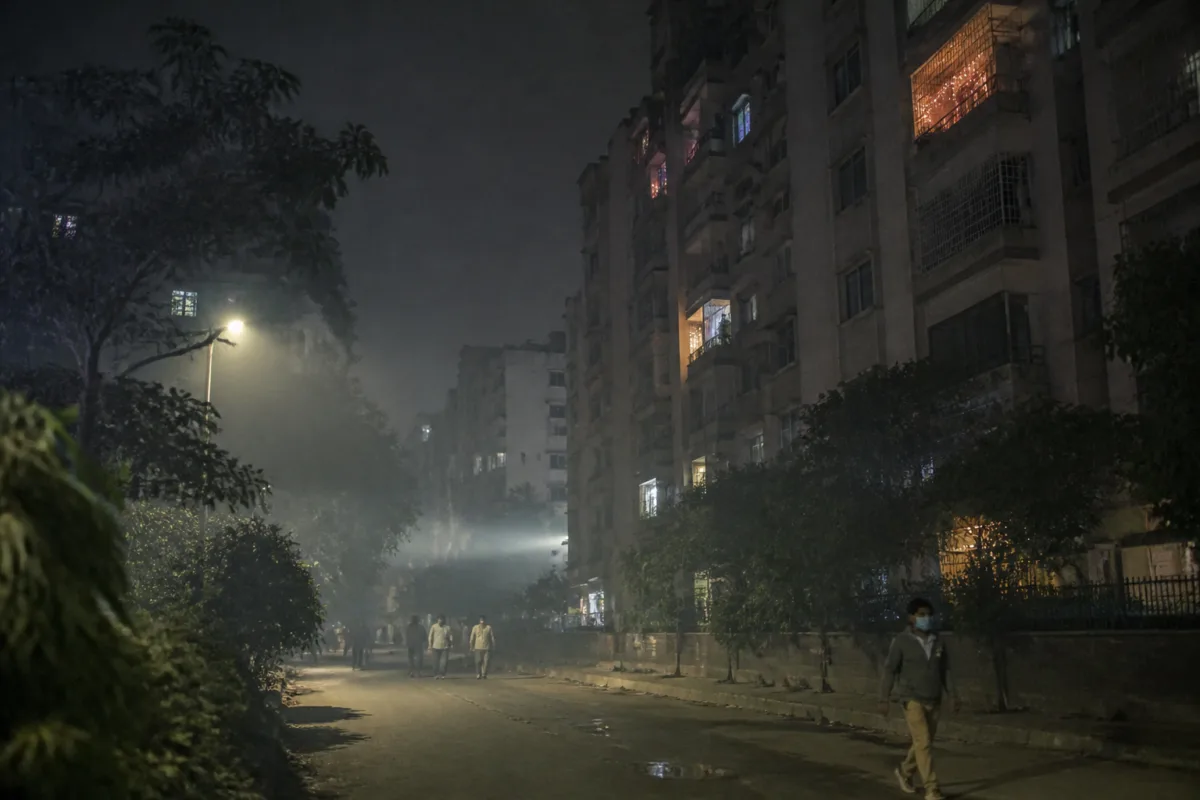
Kolkata neighbourhood smog linked to firecracker bursts in parts of south and central Kolkata has coincided with a rise in respiratory distress cases, with hospitals reporting more patients with coughing, wheezing and worsening breathlessness over the past few days.
Doctors said the pollution is concentrated in specific residential pockets rather than spread uniformly across the metropolitan area. They described this as localised or urban smog, created when hyper-local emissions combine with atmospheric conditions and the built environment to trap pollutants close to the ground.
A south Kolkata hospital has seen a surge of patients with sudden respiratory distress since Wednesday night and released an awareness video on the health effects of cracker smoke, according to the report. BP Poddar Hospital reported a 20% to 25% increase in patient footfall over the last three days, mainly involving persistent cough, throat irritation, wheezing, chest tightness and aggravated breathlessness.
Soumya Sengupta, head of pulmonology at Charnock Hospital, said cracker smoke can trigger or worsen chronic obstructive pulmonary disease and asthma. He also warned that smoke entering rooms late at night can remain suspended in closed spaces, particularly when windows are shut.
“Crackers burst at ground level, right where people stand, so you get a concentrated dose before the smoke spreads,” said Debraj Jash, head of pulmonology at Manipal Hospital, Salt Lake and Broadway. He cited an Indian study that measured personal PM2.5 exposure from six common firecrackers and found extremely high exposure levels from their combustion.
Jash said cool, still festive-season evenings can keep smoke trapped between buildings, increasing the exposure of people in nearby homes and streets. The report also identifies residential heating, biomass burning and localised traffic congestion as other possible contributors to neighbourhood smog, although the current cases were associated with cracker emissions.
Rik Banerjee, consultant pulmonologist at BP Poddar Hospital, said people with COPD, chronic bronchitis, asthma or allergic airway hypersensitivity are particularly vulnerable. He advised such patients to continue prescribed maintenance medication, keep rescue inhalers accessible, move away from areas where crackers are being burst and limit outdoor exposure during peak pollution hours. He also recommended a well-fitted N90 or N95 mask when going outside.
Banerjee said even previously stable patients can experience acute exacerbations requiring medical intervention. He urged vulnerable people to seek medical care early if symptoms worsen, rather than waiting for them to become severe. The report said hospitals expect respiratory cases to rise further if cracker bursting continues.
Sayoni Bhanja, consultant in medical oncology at HCG Cancer Centre, Kolkata, said firecracker smoke contains fine particles, sulphur dioxide and nitrogen oxides that can aggravate coughing and breathlessness. She identified lung cancer patients with coexisting COPD as especially vulnerable because their lung function is already impaired.
The reported cases highlight how short-distance exposure can vary sharply between Kolkata neighbourhoods. While broader air-quality readings may describe citywide conditions, local emission sources and still air can create smaller pollution hotspots close to homes, streets and enclosed rooms. Hospitals and doctors are continuing to advise vulnerable residents to reduce exposure and seek timely treatment as more crackers are expected.

