


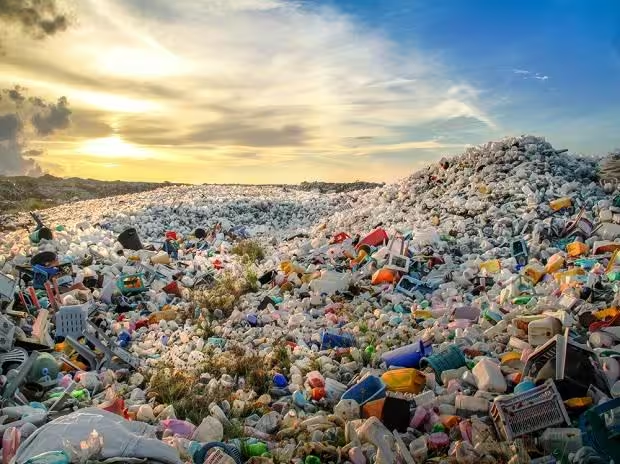
Karnataka’s plastic waste generation spikes to 13.53% of India’s total, despite a ban on single-use plastics
Karnataka has now emerged as the largest contributor to plastic waste in India, accounting for a staggering 13.53% of the total plastic waste generated in the country, according to the latest report from the Central Pollution Control Board (CPCB). This marks a sharp rise from an estimated 9% in 2020-21, with plastic waste generation climbing to 5.27 lakh tonnes annually—an increase of over 43%. The state’s growing plastic footprint has drawn considerable attention, raising concerns about the persistent use of plastic despite a ban on single-use plastic items.
The plastic waste situation in Karnataka has become particularly alarming as banned plastic items continue to circulate freely in markets. The CPCB imposed a ban on 19 single-use plastic items, such as pouches and plates, on July 1, 2022, to curb plastic pollution. However, experts say enforcement of the ban remains weak, leading to widespread use of these banned items. Odette Katrak, co-founder of Beautiful Bharat, a citizen-led initiative, notes that a lack of awareness and poor enforcement efforts have resulted in plastic infiltrating the system again. “Despite the ban, vendors and consumers remain unaware, and banned plastic items are still used with impunity,” Katrak explains.
The situation is particularly concerning in Bengaluru, where a transient population has made it difficult to sustain the plastic ban movement that was highly successful in 2019. The absence of stringent enforcement measures and a growing disconnect between the public and the law has contributed to Karnataka’s rise as the country’s top plastic waste generator. Volunteers working to reduce plastic pollution are finding it increasingly difficult to address the overwhelming presence of banned plastic in the market. “Manufacturers and wholesale vendors must be held accountable, and more stringent measures should be taken to eliminate plastic from the supply chain,” Katrak adds.
This surge in plastic waste generation highlights a broader civic issue within urban areas, where sustainability efforts are undermined by weak governance and public apathy. The continued use of plastic in Karnataka, despite the ban, poses a significant challenge to the state’s sustainability goals. Urgent intervention is needed, not only through stricter enforcement but also by addressing systemic issues such as plastic manufacturing and distribution. The state’s rising plastic waste is a stark reminder of the urgent need for more effective, long-term solutions to combat environmental degradation.
