


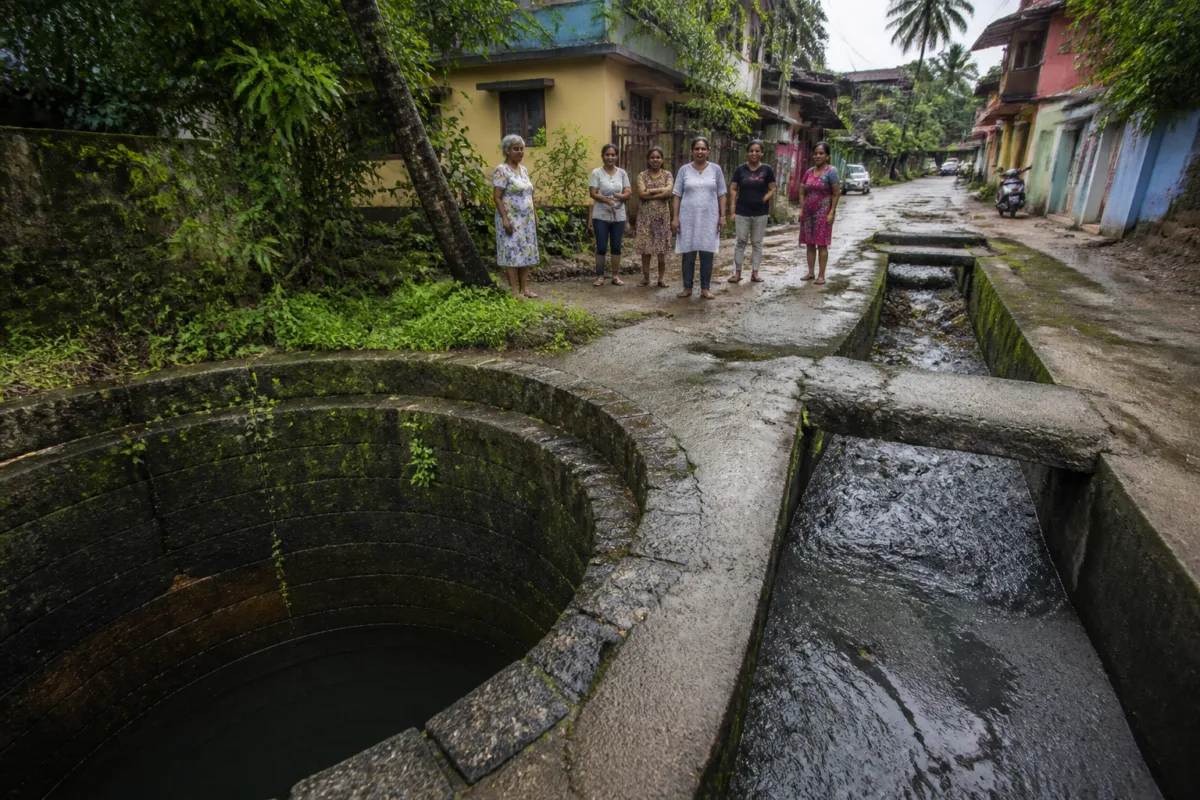
The cancellation of a joint inspection of Comba wells in Margao has intensified residents’ fears that sewage may be entering local groundwater, with households avoiding well water and demanding urgent testing and a fresh inspection date. The inspection had been scheduled for Tuesday to assess the condition of the wells and trace the alleged source of sewage seepage.
Residents said the cancelled exercise was expected to establish whether leaking sewage lines, open discharge points or sewage-filled drains were affecting the wells. Several households have reportedly stopped using the water for drinking and other daily needs, relying on more expensive alternatives instead.
“We have been living with this for years. The wells remaining untested is a risk to our children and the elderly,” a resident said, according to the report. Residents have also complained of sewage overflow and open discharge in the area, alleging that these conditions have made the well water unusable.
The issue was raised with Goa health minister Vishwajit Rane during the ‘Sarkar Tumchea Dari’ programme in Margao on October 17. Residents said Rane directed the chief officer of the Margao Municipal Council to inspect the affected areas and submit a compliance report.
The proposed inspection involved the Margao urban health centre and was seen by residents as an opportunity to identify the source of the alleged contamination. Social worker Prabhav Naik said the notice for the inspection was dated October 30 but was emailed to him only on November 2. He said a second email, sent a few hours later, informed him that the inspection had been cancelled. No revised date had been announced, according to the report.
Naik alleged that political interference was responsible for the cancellation and appealed to Rane to intervene and ensure that the inspection takes place without further delay. The allegation was reported as a claim by Naik; the supplied report does not include a response from the minister, the Margao Municipal Council or the health authorities to that allegation.
The dispute highlights the administrative gap that can emerge when drinking-water safety depends on coordination between municipal, health and sanitation agencies. Residents are seeking immediate collection and laboratory testing of water samples, along with an investigation into the alleged sewage discharge and action to stop any leak or illegal connection found to be affecting the wells.
Health experts cited in the report cautioned that wells located close to leaking sewage lines or drains can harbour bacteria associated with gastroenteritis, typhoid and hepatitis, particularly during and after the monsoon. These risks do not establish that Comba’s wells are contaminated, but they underline why residents are calling for testing before the water is used for drinking.
Residents have urged the authorities to announce a new inspection date, collect samples from the affected wells and submit a compliance report on the source of the sewage. No fresh date for the cancelled inspection had been announced at the time of the report.

