


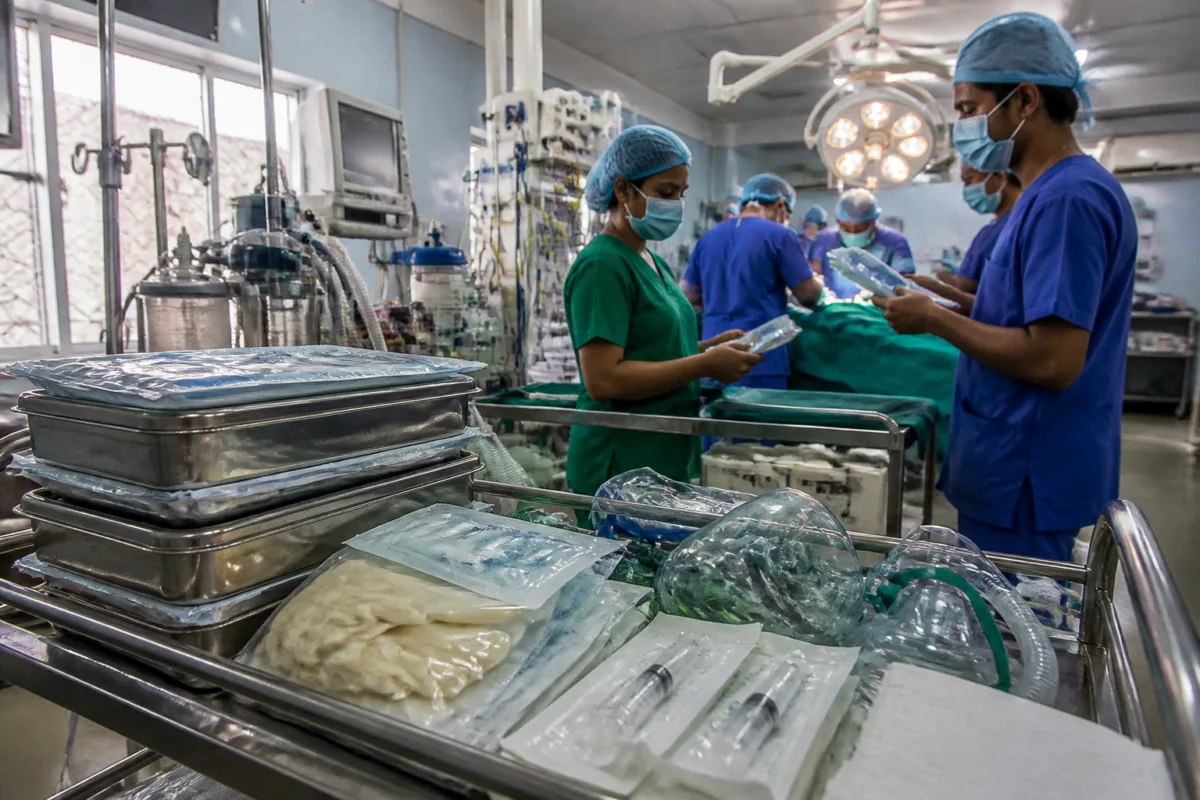
A list of medicines and essential operating-theatre supplies reportedly unavailable at RG Kar Medical College Hospital has triggered a public dispute between the West Bengal Junior Doctors Front and state Health Minister Sharatdwat Mukhopadhyay, putting hospital procurement and emergency-care readiness under scrutiny.
The West Bengal Junior Doctors Front published the hospital’s no-availability list on 30 October, three days after its press conference on shortages and infrastructure in state-run hospitals. The organisation said the list included sterile gloves, needles, syringes and antiseptic solution, which it described as basic requirements for a functioning operating theatre.
The list also reportedly included endotracheal tubes of different sizes, oxygen masks, nebulisation masks and colostomy bags. Medicines named in the list included mephentermine, used when blood pressure falls dangerously during anaesthesia, and magnesium sulphate, which is important in obstetric care, including the control and prevention of seizures associated with eclampsia.
The junior doctors’ organisation said the absence of such supplies could affect surgery, anaesthesia and emergency treatment. It also alleged that similar shortages were present in other government medical colleges and hospitals across West Bengal. The report does not independently establish whether each item was unavailable across the hospital or whether the shortage applied to particular stores, departments or periods.
Responding on Sunday, Health Minister Sharatdwat Mukhopadhyay said officials had been instructed to act wherever essential items were unavailable. He said each hospital principal and medical superintendent-cum-vice-principal had been provided Rs 50 lakh, taking the available allocation for the two offices to Rs 1 crore per hospital. Previously, he said, the combined allocation had been Rs 20 lakh, with Rs 10 lakh assigned to each office.
The minister said hospitals should inform their principals and medical superintendents before medicines or other essential items ran out. He also instructed officials to prepare a list of requirements and submit it to the relevant authorities at least one month in advance. According to him, this process would maintain transparency between hospital officials and those responsible for stores.
The West Bengal Junior Doctors Front has asked the health minister to examine hospitals’ no-availability lists and provide clear information on which items are unavailable, why they are unavailable and when supplies will be restored. The organisation has also linked its demands to wider concerns about shortages of medicines and routine medical supplies in government hospitals.
The dispute places responsibility at two points in the hospital supply chain: timely forecasting and requisition by hospital authorities, and the availability and delivery of supplies through the administrative system. The health minister’s response focuses on advance requests and local financial allocations, while the doctors’ organisation is seeking public disclosure of shortages and restoration timelines. No further implementation deadline was provided in the report.

