


The Rajasthan High Court has ordered wide-ranging prison reforms across the state, directing the government to create district-level monitoring committees, conduct quarterly reviews and complete specified CCTV upgrades within three months. The directions follow public interest litigations concerning prisoner welfare and prison administration.
A division bench comprising Chief Justice Sanjay K Agrawal and Justice Sameer Jain said the district monitoring committees would be chaired by district judges. Their membership will include the director general of prisons, the member secretary of the Rajasthan State Legal Services Authority and the director of the Department of Information Technology (DOIT).
The committees will review compliance with judicial directions relating to prison security, infrastructure integrity and the overall welfare of inmates. The court has also required the state to establish a mechanism for evaluating these matters at the state level every quarter, creating a formal review structure across district and state administrations.
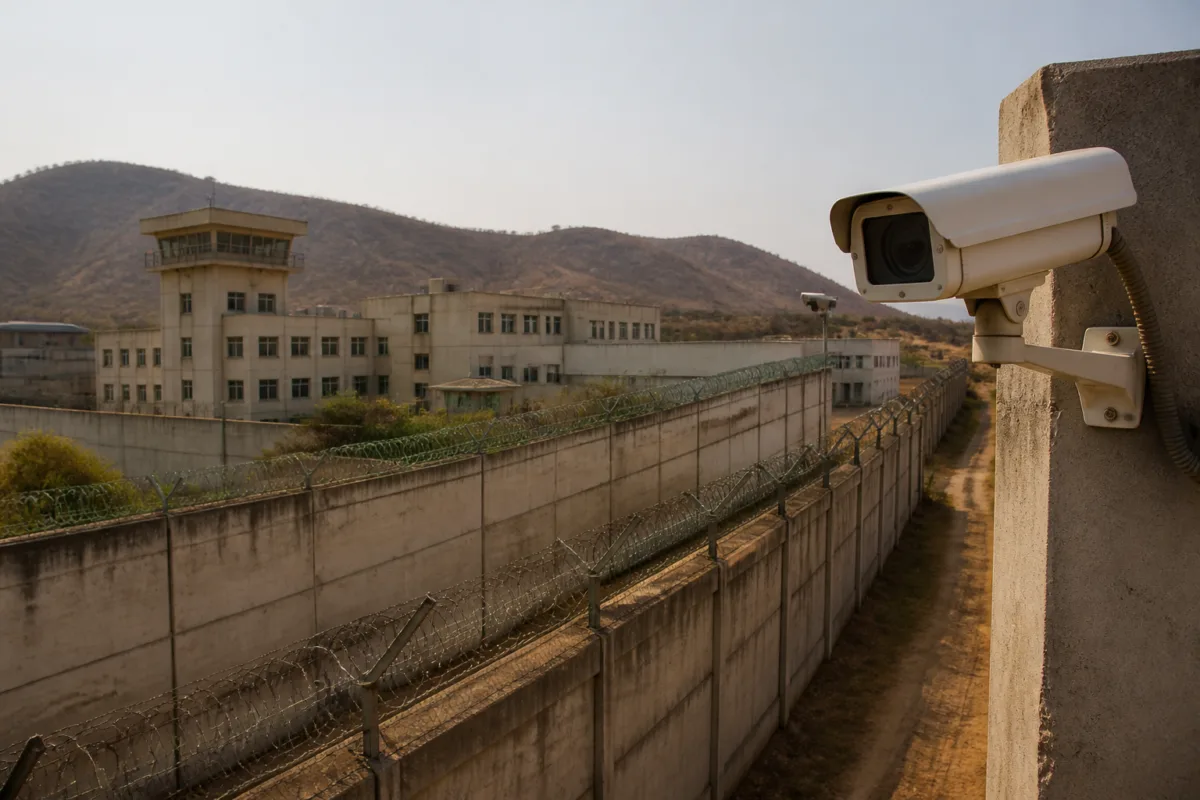
CCTV coverage was a central part of the order. The court directed DOIT and RAJCOMP Info Services Ltd to expedite the installation of 275 cameras at Bikaner Central Jail and 60 cameras at Jaipur District Jail, with the work to be completed within three months. The directions came after the court was informed that a camera monitoring the cell of an undertrial prisoner who died in Ajmer High Security Jail had been offline several days before the incident. The source report described the circumstances of the death as questionable.
The court also emphasised the need for stricter procedures for surprise inspections aimed at detecting contraband. It directed authorities to maintain accurate records of confiscated items, linking prison security to both physical checks and reliable administrative documentation.
Beyond surveillance and inspections, the order covers staffing and basic facilities. The state has been instructed to address the need for additional prison guards, comply with Supreme Court guidelines on wages for prisoners and provide necessary sanitary facilities in women’s prisons. These directions place operational capacity and everyday living conditions alongside security within the reform framework.
The order gives district judges and designated administrative officials a continuing monitoring role rather than limiting oversight to individual inspections or court hearings. Its implementation will therefore depend on the formation of the committees, the quarterly review mechanism and the completion of the specified CCTV installations within the three-month deadline. The state’s compliance with these steps will be examined through the monitoring process directed by the court.

