


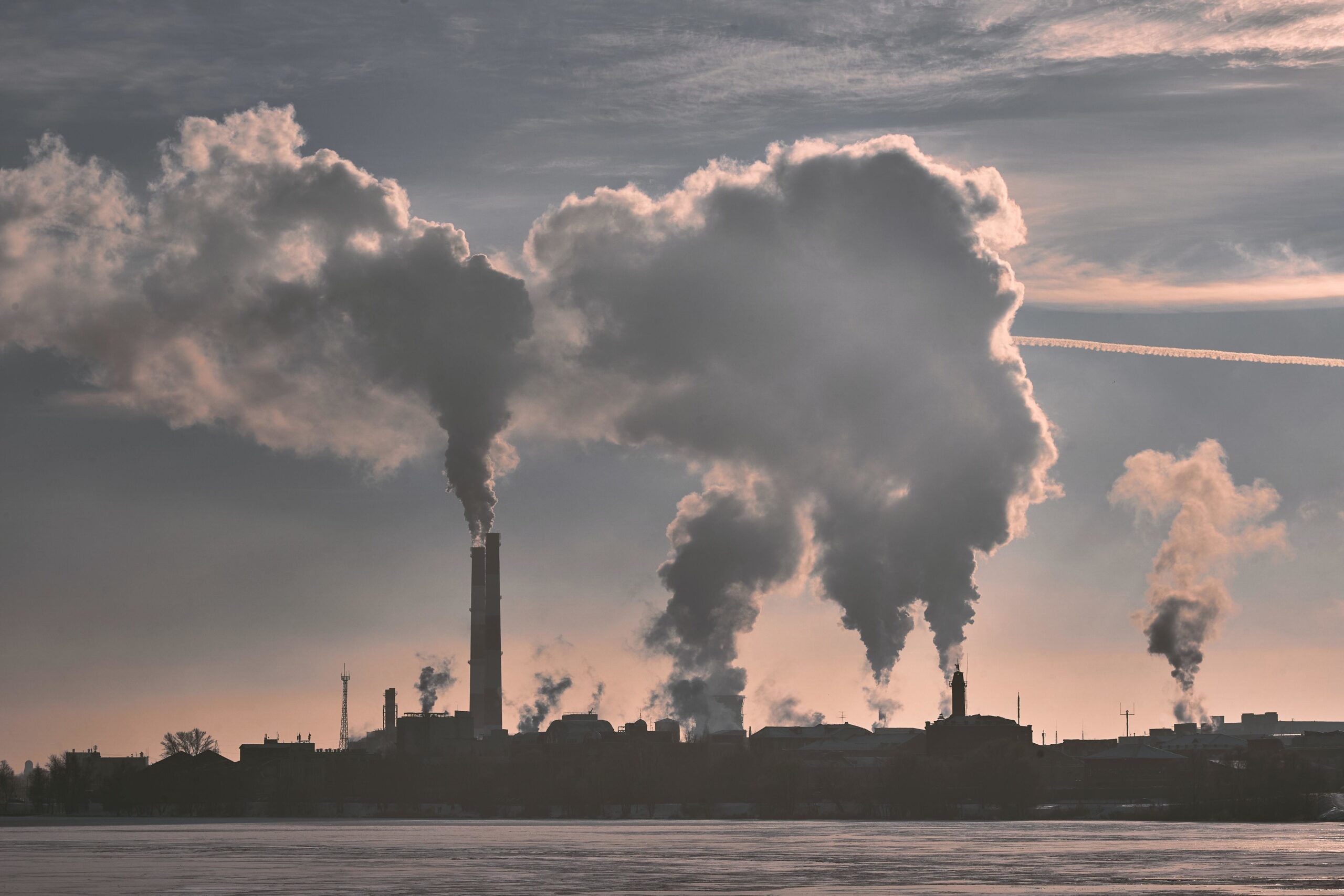
Gujarat has emerged as a hotspot for sulphur dioxide (SO2) pollution, with 15 sites, including Ahmedabad and Gandhinagar, showing alarmingly high concentrations. A recent study conducted by ISRO’s Space Applications Centre and other institutions revealed average SO2 levels of 300 micromoles per metre square (µmol/m²) across these locations, posing severe risks to public health. Known to cause respiratory and cardiovascular ailments, SO2 pollution in Ahmedabad peaks during the winter and pre-summer months due to industrial emissions, fossil fuel reliance, and vehicular pollution. The city’s textile, pharmaceutical, and thermal power sectors are primary contributors.
The analysis highlights stark disparities between Gujarat’s cities, with Ahmedabad, Gandhinagar, and Surat grappling with industrial emissions, while locations like Mundra and Narayan Sarovar face pollution from coal mines and thermal power plants. Interestingly, the Covid-19 lockdown in 2020 brought a temporary decline in SO2 levels, offering a glimpse into the potential impact of reduced industrial activity. Despite this, India remains a major global emitter of SO2, accounting for over 15% of anthropogenic emissions in 2019, underscoring the need for urgent intervention.
Civic concerns around Gujarat’s air quality are growing, with residents and environmental groups demanding robust policies to curb emissions. Transitioning to cleaner energy sources, strengthening emission controls, and promoting public transportation are critical measures. The state’s air quality monitoring systems must also be enhanced to ensure transparency and accountability. Gandhinagar, despite being the state capital, struggles with thermal power plant emissions and increasing vehicular pollution, reflecting the need for sustainable urban planning across Gujarat.
From a sustainability perspective, addressing SO2 pollution requires a long-term commitment to clean energy adoption and environmental stewardship. Investment in renewable energy, stringent industrial regulations, and community awareness initiatives can pave the way for a healthier future. Gujarat’s economic progress must align with environmental sustainability to ensure its cities remain livable and resilient in the face of escalating air quality challenges.
