


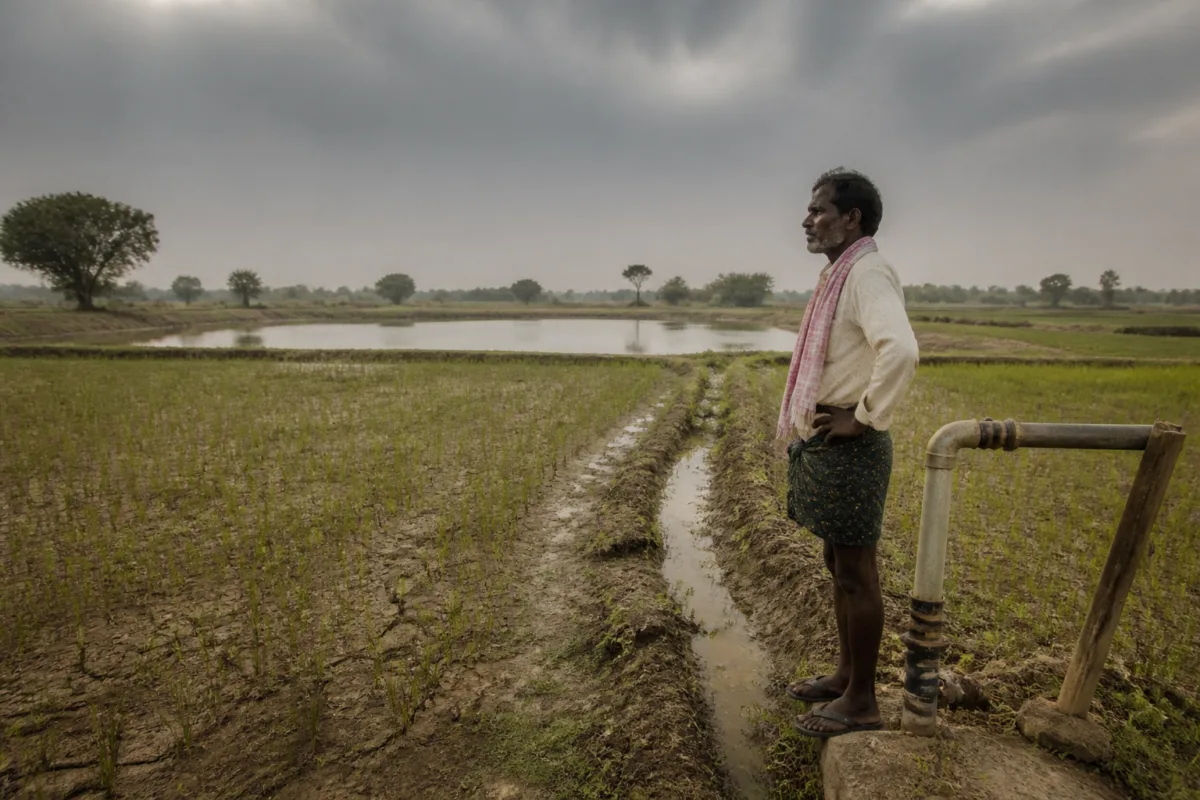
Nizamabad Collector Ila Tripathi has asked farmers across the Telangana district to avoid water-intensive paddy cultivation during the Rabi season, warning that the administration may not be able to ensure adequate irrigation amid reduced rainfall and falling water availability attributed to the El Niño effect.
Tripathi made the appeal at the Khet Bachao Abhiyan programme held at the Rythu Vedika in Noothpalli village in Nandipet mandal on Tuesday. She said the district administration would make every effort to protect the standing Kharif paddy crop until harvest, but would not be able to provide the water required to support paddy cultivation during Rabi.
The collector advised farmers to consider crops requiring less water, including green gram, black gram, Bengal gram, jowar, maize and vegetables. She encouraged the use of drip irrigation for vegetable cultivation and oil palm plantations, and said the district administration would support farmers willing to shift away from Rabi paddy.
According to the report, the administration plans to extend subsidies for mulching and drip irrigation and improve marketing facilities for vegetables and other alternative crops. The measures are intended to address two linked problems: reducing pressure on available water and providing farmers with support to sell crops that may replace paddy.
Tripathi also called for rainwater harvesting, groundwater recharge, farm ponds and soak pits under VB-G RAM G to improve local water availability. At the same time, she warned farmers against drilling new borewells, saying groundwater levels were falling rapidly. Machines used to drill new borewells would be seized under the prevailing conditions, she said.
The warning places groundwater regulation and crop planning at the centre of the district’s response. Paddy cultivation during Rabi depends on assured irrigation, while the administration’s proposed alternatives require access to seeds, cultivation support, irrigation equipment and reliable markets. The collector therefore asked agriculture and horticulture officials to persuade farmers to adopt suitable Rabi crops and prepare for drought-like conditions.
Water allocation will also be affected beyond farming. Tripathi said water available in major reservoirs would be prioritised for drinking purposes. She added that the absence of hydel generation could affect power supply in the coming months, linking reservoir levels to both irrigation decisions and electricity availability.
The administration has appealed to public representatives and women’s self-help groups to conduct awareness campaigns and persuade farmers not to risk losses by planting Rabi paddy. The appeal was made in the presence of Armoor sub-collector Abhigyan Malviya, district agriculture officer Veeraswamy, district cooperative officer Srinivasa Rao, horticulture officer Sandhya, sarpanch Rajireddy, area officials and farmers.
The immediate administrative focus is to safeguard the standing Kharif crop, discourage new Rabi paddy cultivation and support a shift towards less water-intensive crops. The next steps identified by the collector include assistance for mulching and drip irrigation, improved marketing arrangements, groundwater recharge works and enforcement against new borewell drilling.

