


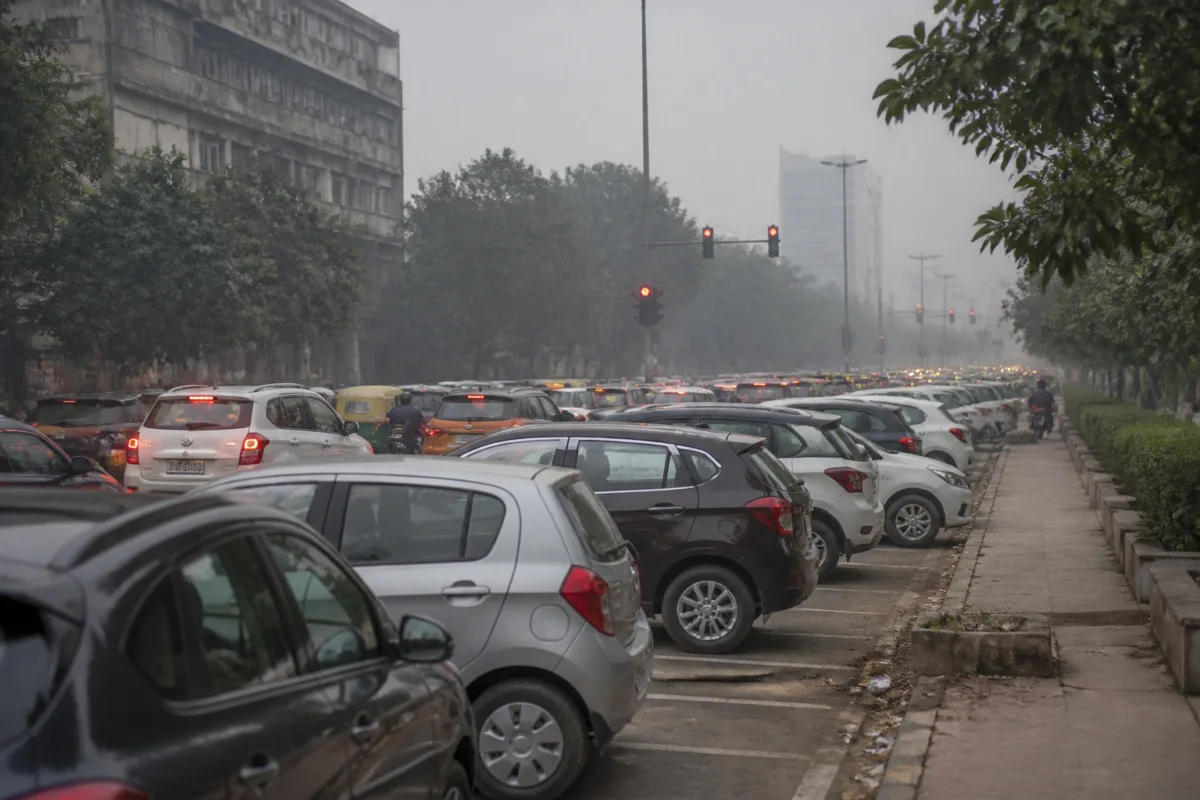
Delhi parking fees are set to double under the city’s pollution-control framework from November 1, but the proposal is yet to reach the Municipal Corporation of Delhi (MCD) House for approval, according to a report by Jagran. The delay could make it difficult for the civic body to implement the revised charges by the proposed start date.
The increase requires approval from the MCD House before it can be introduced. According to MCD sources cited by Jagran, the corporation’s Revenue Project Cell has sent the proposal to the Law Department. It will be placed before the civic House after receiving legal clearance.
The MCD’s next regular House meeting is expected to take place next month. This leaves the corporation with limited time to secure approval before November 1. The civic administration may have to consider convening a special House meeting or seeking advance approval from the mayor if it intends to enforce the revised fee from the scheduled date.
The proposed increase is part of the Delhi government’s framework for controlling air pollution, which is scheduled to remain in force from November 1 to February 27. The framework is being implemented alongside other measures linked to the winter pollution season. The report said questions remain over how effectively the measures will be implemented at the ground level if required civic decisions are delayed.
The New Delhi Municipal Council (NDMC), which administers areas under its jurisdiction separately from the MCD, has reportedly prepared its own proposal to increase parking charges under the pollution-control framework. An order could be issued after approval from the competent authority, according to sources cited in the report.
The proposed MCD increase also brings back concerns from the corporation’s earlier experience with parking charges. In 2018, the erstwhile South Delhi Municipal Corporation increased parking fees. According to the report, some vehicle owners responded by parking on roads instead of using designated parking areas. The resulting increase in roadside parking contributed to congestion, following which the corporation withdrew the higher charges.
That earlier episode is relevant to the implementation of the current proposal because a higher fee may alter where motorists leave their vehicles, particularly in areas where authorised parking capacity is limited or enforcement is inconsistent. The report does not specify the revised fee levels, the locations covered, or whether additional parking capacity and enforcement arrangements will accompany the increase.
The immediate administrative question is whether the MCD can complete legal scrutiny and obtain House approval before November 1. Until that process is completed, the proposed doubling of parking fees cannot be treated as operational across MCD areas. The corporation’s next steps are expected to include clearance from the Law Department and consideration of the proposal by the civic House, either at its next scheduled meeting or through a special approval process.

