


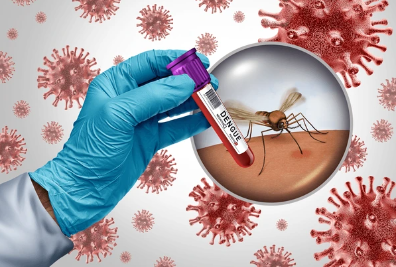
Delhi, grappling with an uptick in dengue cases, has unfortunately recorded its first fatality of the year. The victim, a 54-year-old man from Gandhi Nagar in East Delhi, succumbed to the disease at Lok Nayak Hospital. The patient was admitted on August 27 and tragically passed away on September 8. This death highlights the growing urgency of addressing the vector-borne disease that continues to pose a significant health challenge in the capital.
According to the Municipal Corporation of Delhi, over 650 dengue cases have been reported so far this year. This figure marks a concerning escalation in comparison to last year’s statistics, which saw a total of 9,266 cases. The increase in incidence underscores the ongoing struggle to control mosquito-borne diseases in urban areas, where seasonal changes and monsoon rains create conducive breeding conditions for Aedes mosquitoes.
The patient’s death adds to the mounting concern regarding the spread of dengue, a disease transmitted by the Aedes mosquito and known for causing high fever, severe headaches, and joint and muscle pain. Dengue remains a significant public health issue in Delhi, often exacerbated by delayed interventions and inadequate vector control measures. Health authorities and experts stress the importance of early diagnosis and prompt treatment to manage dengue effectively. The rise in cases this year may be attributed to several factors, including climatic changes, increased rainfall, and public complacency regarding mosquito control. The situation calls for enhanced preventive measures, including community engagement and increased awareness about avoiding mosquito bites.
Delhi’s healthcare infrastructure faces the challenge of managing both the prevention and treatment of dengue amidst a growing caseload. As the monsoon season continues, authorities are intensifying efforts to reduce mosquito breeding sites and educate the public about preventive measures. The recent death serves as a stark reminder of the potential severity of dengue and the critical need for continued vigilance. With more than 650 cases already reported this year, it is imperative for both individuals and authorities to remain proactive in combating this persistent health threat.
