


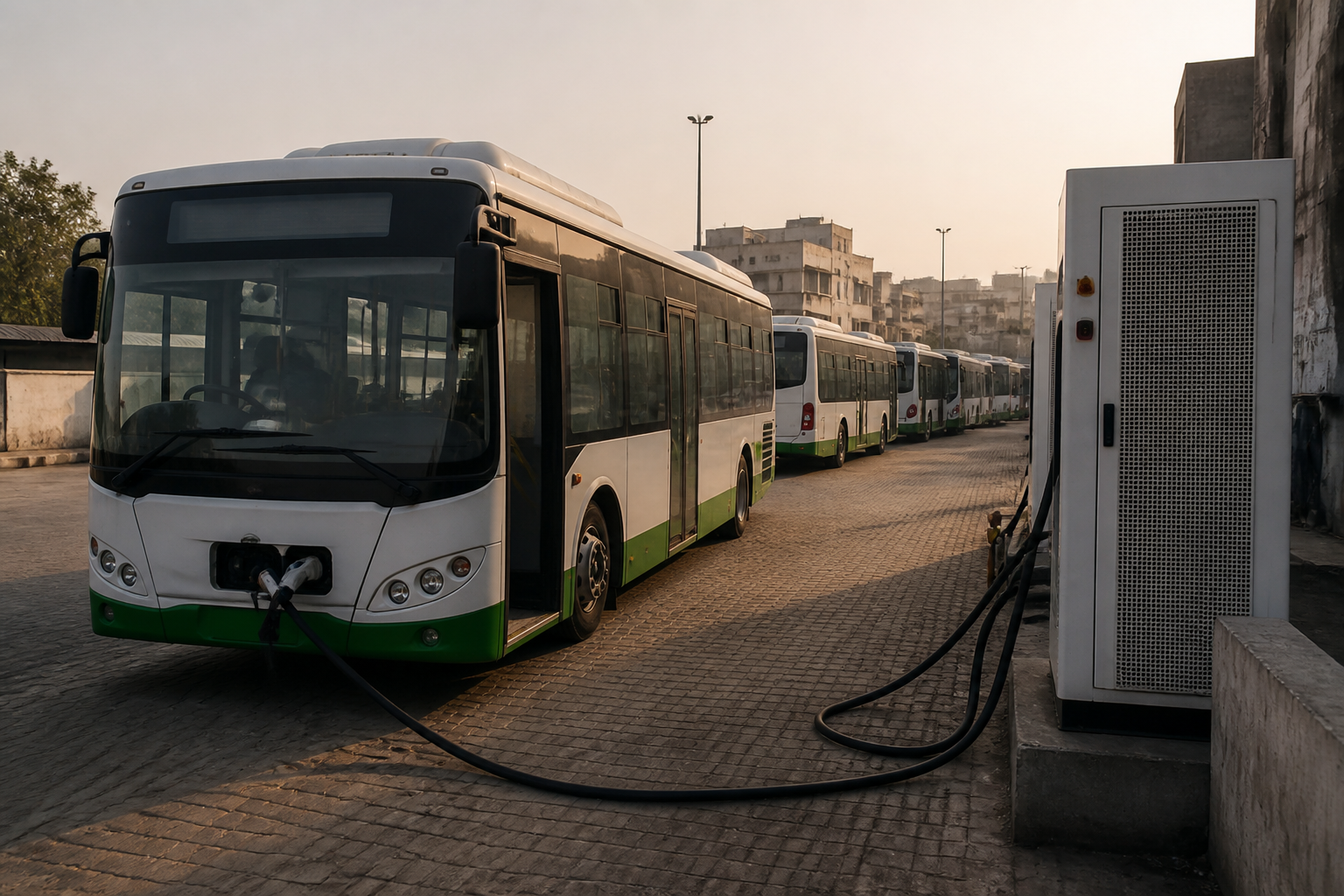
Jaipur has received 96 of the 150 electric buses planned for the Jaipur City Transport Services Ltd (JCTSL) under the PM-eBus Sewa programme, but the rollout is facing an infrastructure constraint at the city’s charging facilities. The buses currently depend on a single charging station at the Bagrana depot, while a second facility at Todi depot is still being developed.
The limited charging network has created operational difficulties as the electric fleet expands, according to the JCTSL Employees Union. The union said the single charging point is inadequate at times and that buses operating on different routes sometimes have to travel to Bagrana depot for charging. This can affect whether buses are fully charged before their scheduled trips.
The union also said power cuts at the Bagrana charging station can further disrupt operations. For a city bus system, the issue is not limited to the number of vehicles delivered. Charging capacity, electricity availability and the location of depots determine whether buses can be deployed consistently across routes.
JCTSL managing director Narayan Singh said the existing charging facility is currently sufficient for the present requirement. “Charging station at Bagrana depot is currently sufficient for us. However, a charging station is also being developed at Todi depot, which will take some more time,” Singh said.
The differing assessments underline the immediate operational question facing Jaipur’s electric bus transition: whether the charging network can keep pace with vehicles arriving under the programme. While JCTSL management has said Bagrana is adequate for the current fleet, the employees’ union has pointed to delays linked to charging access and electricity interruptions.
The charging gap also has a route-planning implication. When buses from different parts of the network need to return to one depot for charging, the depot’s location and the time required for the movement can become part of daily service operations. The report does not provide route-level data on delays or the number of buses affected, but it identifies charging access as a current operational concern.
JCTSL has received 96 buses against the planned 150, leaving 54 vehicles yet to be brought into service. Singh said the transport undertaking plans to bring the remaining buses into operation within the next three months. That timeline will place additional importance on the completion of the charging station at Todi depot.
The issue reflects a basic requirement of electric public transport: vehicle procurement and charging infrastructure must advance together. A larger fleet can improve the city’s bus capacity only if depots can charge vehicles reliably and buses can return to service without avoidable interruptions. In Jaipur, the next operational milestone is the development of the Todi charging station and the planned induction of the remaining 54 buses within three months.

